Quick Taste
Phở in Vietnam is a fragrant noodle soup with a savory broth and tender meat, and Hanoi is renowned for its traditional flavor while Ho Chi Minh City excels in offering newer versions. For value, Hanoi provides more affordable options, but for convenience and larger portions, Ho Chi Minh City takes the lead. If you're a first-time visitor, Hanoi offers a straightforward introduction to the dish, while Ho Chi Minh City caters to diverse dietary preferences with lighter options.

When visiting Vietnam, phở is a culinary staple that provides a sensory experience of the country's diverse food culture. In Hanoi, expect a bowl of phở to be served with minimal garnishes, allowing the broth's purity to shine. Common accompaniments include a squeeze of lime and a few slices of chili. In contrast, phở in Ho Chi Minh City might come with a plethora of side herbs, bean sprouts, and hoisin sauce, giving diners the opportunity to customize their bowl to their liking.
The Story Behind the Dish
Phở is a cornerstone of Vietnamese cuisine, originating in the early 20th century in northern Vietnam. It quickly became a national dish, reflecting the country's history and culture. The dish typically consists of a savory broth made from simmered beef bones, rice noodles, and thinly sliced beef or chicken. Garnishes like fresh herbs, lime, chili, and bean sprouts add layers of flavor and texture. While Hanoi is credited with the traditional recipe, Ho Chi Minh City has embraced phở, adding its own twist with variations that incorporate different meats and spices.
In Hanoi, the birthplace of phở, the dish has maintained its traditional form. The focus is on the broth, which is made by simmering beef bones, ginger, and a blend of spices like star anise and cinnamon for hours. This meticulous process results in a clear, aromatic broth that is the hallmark of northern phở. As the dish migrated south to Ho Chi Minh City, it adapted to local tastes, incorporating a sweeter broth and a wider array of herbs and condiments, reflecting the southern preference for a more complex flavor profile.
How Locals Eat It
Phở is a versatile dish enjoyed at any time of day, though it is especially popular for breakfast. In Hanoi, locals savor it as a simple, comforting meal, often paired with a side of quẩy (fried dough sticks) for dipping. The broth is typically clear and less sweet, highlighting the natural flavors of the beef and spices. In Ho Chi Minh City, phở is richer and sweeter, often accompanied by a plate of fresh herbs and lime wedges to balance the flavors. It's common to see people enjoying phở at street stalls, casual eateries, and even at home for family gatherings.

In Hanoi, locals often start their day with a steaming bowl of phở. It's a breakfast staple, enjoyed at lively street-side stalls where patrons sit on small plastic stools, enjoying the simplicity of the dish. The traditional Hanoi phở is typically served with thinly sliced beef or chicken, and the focus remains on the broth's clarity and depth of flavor. Diners usually add a touch of lime, a few slices of chili, and occasionally some fresh herbs like cilantro or green onions.
Where to Find It
In Hanoi, phở is a staple of street food culture, with vendors setting up shop on lively sidewalks and in local markets. The Old Quarter is a prime spot to find traditional phở, where you can enjoy it in a popular, local setting. Phở Gia Truyền, located on Bat Dan Street, is famous for its traditional beef phở, often drawing long lines of locals and tourists alike. Another notable spot is Phở Thìn, which has been serving its signature dish since 1955 and is known for its flavorful broth and generous portions of beef.
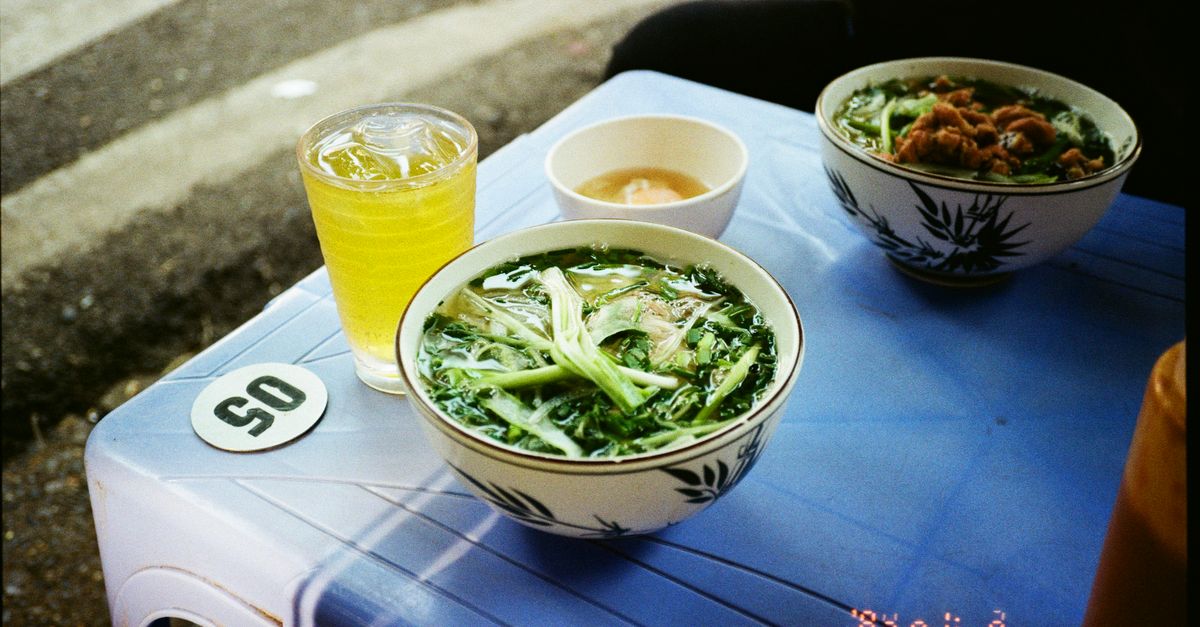
In Ho Chi Minh City, phở can be found in abundance throughout the city, from street vendors to upscale restaurants. Phở Hòa Pasteur is a popular choice, known for its flavorful broth and extensive menu of toppings. For a more local experience, Phở Lệ in District 5 offers a hearty bowl with a distinctive southern flair, complete with a side of fresh herbs and condiments. Whether in a lively market or a quiet alley, phở is never far away in Vietnam's largest city.
City vs. Countryside Flavor
Comparing Hanoi and Ho Chi Minh City, Hanoi's phở is known for its traditional, straightforward flavor profile. The broth is clear and aromatic, focusing on the quality of the beef and spices. Ho Chi Minh City, on the other hand, offers a more robust and sweeter broth, with additional garnishes like Thai basil and bean sprouts. For those seeking larger portions and convenience, Ho Chi Minh City is ideal, while Hanoi is perfect for those craving an traditional, traditional experience. Dietary options are more varied in Ho Chi Minh City, catering to different preferences and restrictions.
The contrast between Hanoi and Ho Chi Minh City's phở is a reflection of the broader culinary differences between Vietnam's north and south. In Hanoi, the emphasis is on tradition and purity. The phở here is a testament to the northern philosophy of letting the ingredients speak for themselves, with a clear, fragrant broth that is both subtle and satisfying. The use of minimal garnishes highlights the quality of the broth and the skill involved in its preparation.
Cost, Portions, and Ordering Tips
In Hanoi, a bowl of phở typically costs between 30,000 to 50,000 VND ($1.30 to $2.20 USD), offering great value. Portions are moderate, focusing on quality over quantity. In Ho Chi Minh City, prices range from 40,000 to 70,000 VND ($1.70 to $3.00 USD), with larger servings. Cash is the preferred payment method in both cities, especially at street stalls. When ordering, specify your meat preference (beef or chicken) and ask for extra lime or chili if you enjoy a tangy or spicy kick.
In Ho Chi Minh City, prices are similar, ranging from 40,000 to 60,000 VND. The portions here are often larger, with more emphasis on the accompaniments and garnishes. When ordering in the south, don't hesitate to ask for additional herbs or sauces to customize your bowl to your taste. It's also worth noting that some places offer phở with unique ingredients like seafood or vegetarian options, providing more choices for those with dietary restrictions.
What to Know Before You Try It
Phở is generally safe for most travelers, but those with gluten or beef allergies should exercise caution, as rice noodles and beef broth are central to the dish. In Hanoi, the broth is less sweet, appealing to those who prefer a savory taste. Ho Chi Minh City's version may include additional sugar, so ask for a less sweet broth if needed. Street stalls can be busy, so be prepared for a lively dining experience with limited seating.
Before diving into a bowl of phở, it's helpful to understand the cultural nuances that accompany this dish. In Hanoi, the experience is often straightforward, with a focus on enjoying the broth's subtle flavors. It's customary to taste the broth first before adding any condiments, ensuring you appreciate the chef's craftsmanship. The noodles are typically long and slightly chewy, requiring a bit of skill with chopsticks.
Common Mistakes Visitors Make
A common mistake is assuming that all phở is the same across Vietnam. Each region has its own unique take, so embrace the differences. Visitors often overlook the importance of garnishes; fresh herbs and lime are essential for enhancing the dish's flavor. Another mistake is not specifying meat preferences, which can lead to unexpected surprises. Lastly, be aware of pricing in tourist-heavy areas, as it can be higher than local spots.
One common mistake visitors make when trying phở in Vietnam is overloading their bowl with too many condiments before tasting the broth. This is particularly true in Hanoi, where the broth's delicate balance of flavors can be easily overwhelmed. It's best to start with a clean taste and gradually add lime, chili, or herbs as needed.
Frequently Asked Questions
Is phở better in Hanoi or Ho Chi Minh City?
Hanoi is better for traditional flavor, while Ho Chi Minh City offers newer versions and larger portions.
What does phở taste like?
Phở has a savory, aromatic broth with tender meat, complemented by fresh herbs, lime, and chili for added flavor.
How much does phở usually cost?
In Hanoi, phở costs around 30,000 to 50,000 VND ($1.30 to $2.20 USD), while in Ho Chi Minh City, it ranges from 40,000 to 70,000 VND ($1.70 to $3.00 USD).
What should I order with phở?
Pair your phở with quẩy (fried dough sticks) in Hanoi or fresh herbs and lime in Ho Chi Minh City for a complete experience.
Related Golden Horizons Guides
- Best Countries to Retire Abroad on a Budget
- Healthcare Abroad for American Retirees
- Retiring Abroad Checklist for Americans
- Visa Rules for Americans Retiring Abroad
About Golden Horizons
Golden Horizons is the retirement abroad magazine for Americans who aren’t done yet.
Final Bite
Phở is more than just a meal in Vietnam; it's a window into the country's diverse food traditions. Whether you're drawn to the traditional flavors of Hanoi or the innovative twists in Ho Chi Minh City, this dish offers a taste of Vietnam's culture. For those eager to explore, phở promises a satisfying and enlightening dining experience. Enjoy the journey, and savor every bowl.