Quick Taste
Asado in Argentina is a social grilling tradition featuring a variety of meats cooked slowly over an open flame, and Buenos Aires is better for convenience while Mendoza offers a more traditional countryside flavor. The experience is as much about the gathering as it is about the food, with meats like beef, pork, and chorizo taking center stage. The flavors are smoky, with a hint of saltiness from the seasoning, and the texture is tender due to the slow cooking process. For first-time visitors, Buenos Aires provides easier access to urban asado experiences, while Mendoza is ideal for those seeking traditional flavors in a rural setting.

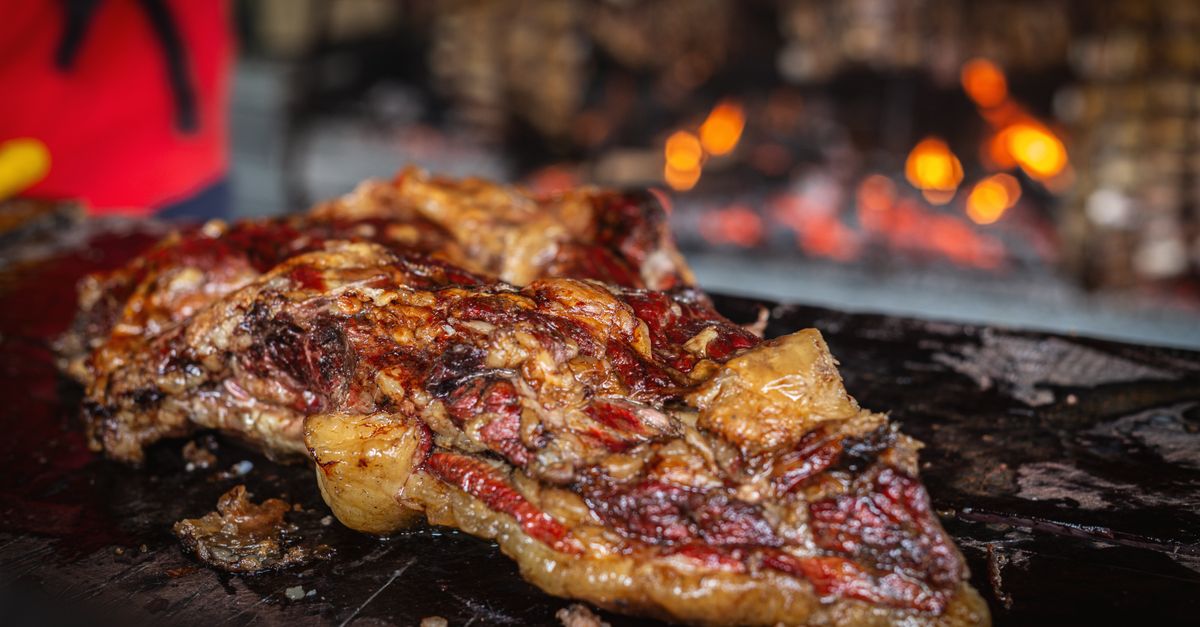
In Argentina, asado is more than just a meal; it's a cultural event that brings people together. Visitors will encounter a variety of meats, typically including ribs, sausages, and sometimes organ meats, all cooked over a parilla, or grill. The meats are seasoned simply with salt, allowing the natural flavors to shine. Accompaniments often include chimichurri sauce, salads, and bread. The asado experience is leisurely, often lasting several hours, and provides a glimpse into the Argentine way of life. For those with dietary restrictions, Buenos Aires offers more options, including lighter and vegetarian alternatives, whereas Mendoza provides larger portions and a focus on traditional cuts.
The Story Behind the Dish
The roots of asado trace back to the gauchos, the South American cowboys, who roamed the pampas of Argentina. These nomadic horsemen relied on the abundant cattle for sustenance, developing a method of cooking meat over an open flame that would become a national tradition. Asado embodies the spirit of Argentina, representing a blend of indigenous and European influences that have shaped the country's culinary identity.
Asado is more than just a cooking technique; it's a ritual that has been passed down through generations. Traditionally, the asador, or grill master, is a respected figure who oversees the preparation and cooking of the meats. The process is slow and deliberate, reflecting the importance of patience and skill. This tradition has become a symbol of Argentine hospitality and camaraderie, with families and friends gathering on Sundays to share in the experience. The asado has also evolved over time, incorporating different cuts of meat and cooking methods, but its essence remains unchanged.
How Locals Eat It
In Argentina, asado is typically enjoyed on Sundays, a day reserved for family gatherings and relaxation. The meal begins with appetizers such as empanadas or provoleta, a grilled cheese dish, before moving on to the main event. The meats are served in stages, starting with sausages and moving on to larger cuts like ribs and steaks. Each bite is enjoyed slowly, accompanied by lively conversation and laughter.

Locals often pair asado with a glass of Malbec, Argentina's signature wine, which complements the smoky flavors of the meat. Side dishes are simple yet flavorful, often including salads made with fresh vegetables, and potatoes cooked in various styles. Chimichurri, a tangy sauce made with parsley, garlic, vinegar, and oil, is a staple condiment that adds a burst of flavor to the meats. The meal is a leisurely affair, lasting several hours, and providing ample time for socializing and enjoying the company of loved ones.
Where to Find It
In Buenos Aires, asado can be found in parrillas, or steakhouses, scattered throughout the city. Popular spots like Don Julio and La Cabrera offer a range of meats cooked to perfection, providing a taste of the urban asado experience. These restaurants are known for their quality cuts and skilled asadors, making them a favorite among locals and visitors alike.

For a more traditional experience, head to the countryside of Mendoza, where asado is often prepared in private homes or at local gatherings. Here, the focus is on traditionality, with meats cooked over a wood fire and served in a rustic setting. Many wineries in the region also offer asado as part of their tours, allowing visitors to enjoy the flavors of Argentina amidst the scenic vineyards. Whether in the city or the countryside, asado is an integral part of Argentine culture and a worth trying for anyone visiting the country.
City vs. Countryside Flavor
The asado experience varies significantly between the lively city of Buenos Aires and the tranquil countryside of Mendoza. In Buenos Aires, the focus is on convenience and variety, with numerous parrillas offering a range of meats and accompaniments. The urban setting allows for a more diverse dining experience, with options for different dietary preferences and a faster pace to accommodate the city's dynamic lifestyle.
In contrast, Mendoza offers a more traditional asado experience, rooted in the rural customs of the region. Here, the emphasis is on simplicity and traditionality, with meats cooked over a wood fire and seasoned with just salt. The countryside setting provides a serene backdrop, allowing diners to fully immerse themselves in the leisurely pace of the meal. The flavors are more robust, with a focus on traditional cuts and cooking methods that have been passed down through generations.
While Buenos Aires offers the convenience and variety of city dining, Mendoza provides a deeper connection to the roots of asado, making it ideal for those seeking a more traditional experience. Both locations offer unique insights into Argentine culture, each with its own distinct flavor.
Cost, Portions, and Ordering Tips
When it comes to cost, asado in Buenos Aires can range from affordable to high-end, depending on the restaurant. A meal at a mid-range parrilla might cost around 1,500 to 3,000 Argentine pesos per person, including wine and sides. Portions are typically generous, with enough meat to satisfy even the heartiest appetite. It's common to share a selection of cuts among the table, allowing everyone to sample different flavors.
In Mendoza, the cost of asado can be lower, especially if enjoyed at a local gathering or winery. Here, the focus is on quality and traditionality rather than luxury, with meals often priced more modestly. When ordering, it's important to communicate your preferences to the asador, whether you prefer your meat rare, medium, or well-done. Don't hesitate to ask for recommendations on the best cuts to try, as locals are often eager to share their favorites.
For those with dietary restrictions, Buenos Aires offers more options, including vegetarian dishes and lighter cuts of meat. In Mendoza, the focus is on traditional meats, so it's best to inquire in advance if you have specific dietary needs. Regardless of where you choose to enjoy asado, it's an experience that promises to be both satisfying and memorable.
What to Know Before You Try It
Before diving into the world of asado, it's important to understand the cultural significance of the meal. Asado is not just about the food; it's about the experience of coming together with friends and family. The meal is typically served in stages, starting with lighter cuts and moving on to heartier meats. This allows diners to savor each flavor and enjoy the leisurely pace of the meal.
It's also important to note that asado is traditionally cooked over an open flame, which can impart a smoky flavor to the meats. If you're sensitive to smoke or prefer less charred meats, it's best to communicate your preferences to the asador. Additionally, chimichurri sauce is a staple accompaniment, so be prepared for its tangy and slightly spicy flavor.
For those new to asado, it's recommended to start with a variety of cuts to fully appreciate the range of flavors. Be sure to try the chorizo and morcilla, as these sausages are often considered highlights of the meal. And don't forget to pair your meal with a glass of Malbec, as the wine's bold flavors complement the meats beautifully.
Common Mistakes Visitors Make
One common mistake visitors make when trying asado for the first time is underestimating the portion sizes. Asado is typically served in generous portions, and it's easy to over-order. To avoid this, start with a selection of smaller cuts and share among the table. This allows you to taste a variety of meats without feeling overwhelmed.
Another mistake is not allowing enough time to fully enjoy the asado experience. Asado is a leisurely meal that can last several hours, so it's important to plan accordingly. Rushing through the meal can detract from the enjoyment and social aspect of the gathering. Instead, embrace the slower pace and take the time to savor each bite.
Finally, some visitors may overlook the importance of the asador's role in the meal. The asador is a respected figure who takes pride in their craft, and it's important to show appreciation for their skill and effort. Engage with the asador, ask questions, and express gratitude for the meal. This not only enhances the experience but also fosters a deeper connection to the tradition of asado.
Frequently Asked Questions
What is the best cut of meat for asado?
The best cut of meat for asado depends on personal preference, but popular choices include ribs (costillas), flank steak (vacio), and short ribs (asado de tira). Each cut offers a unique flavor and texture, with ribs being particularly tender and flavorful. It's common to try a variety of cuts to experience the full range of flavors.
Is asado suitable for vegetarians?
While traditional asado focuses on meats, many parrillas in Buenos Aires offer vegetarian options such as grilled vegetables, provoleta (grilled cheese), and salads. It's important to inquire about vegetarian dishes in advance, especially in rural areas like Mendoza, where meat is the main focus.
How is chimichurri sauce made?
Chimichurri sauce is a staple accompaniment for asado, made with parsley, garlic, vinegar, olive oil, and red pepper flakes. The ingredients are finely chopped and mixed together to create a tangy, herbaceous sauce that complements the smoky flavors of the meat. It's often served on the side, allowing diners to add it to their liking.
Can I find asado outside of Argentina?
Yes, asado has gained popularity worldwide, and many restaurants outside of Argentina offer their own versions of the dish. However, the experience may vary, as the traditional methods and ingredients used in Argentina are difficult to replicate elsewhere. For an traditional experience, it's best to try asado in Argentina itself.
Related Golden Horizons Guides
- Best Countries to Retire Abroad on a Budget
- Healthcare Abroad for American Retirees
- Retiring Abroad Checklist for Americans
- Visa Rules for Americans Retiring Abroad
About Golden Horizons
Golden Horizons is the retirement abroad magazine for Americans who aren’t done yet.
Final Bite
Asado is more than just a meal; it's a reflection of Argentine hospitality and community spirit. Ideal for those who appreciate quality beef and social dining, it's an experience that offers insight into the country's culture. Whether in the city or countryside, asado provides a delicious window into Argentine life, best enjoyed with friends, family, and a good bottle of wine.