Quick Taste
Colombian Coffee Region cuisine is a delightful fusion of farm-fresh ingredients and mountain café charm, offering dishes with robust flavors and comforting textures. The region, known for its coffee plantations, also boasts a rich culinary tradition. For value, head to the countryside where farm tables serve hearty meals. For convenience and lighter options, mountain cafés in towns like Salento offer a more accessible experience. Traditional flavors are best enjoyed in small villages, while larger portions can be found in lively markets. First-time visitors will appreciate the welcoming atmosphere of the cafés in Manizales.

Visitors to the Coffee Region will encounter dishes that are full of flavor and texture, often featuring corn, beans, plantains, and a variety of meats. Meals are typically served with arepas, a type of cornmeal cake, and ajiaco, a hearty chicken soup. The food is usually served warm, offering a comforting counterpoint to the often cool mountain air. Key variations include different types of stews and soups, which may vary slightly in seasoning and ingredients depending on the location and the chef's personal touch.
The Story Behind the Dish
The Coffee Region of Colombia, known as the "Eje Cafetero," is more than just a coffee lover's excellent destination. It is a culinary hub where local dishes reflect the region's agricultural bounty. The area is steeped in tradition, with recipes passed down through generations. Staples like "bandeja paisa," a hearty platter featuring beans, rice, plantains, avocado, and chicharrón, showcase the region's diverse ingredients. The use of locally grown produce, such as corn, beans, and a variety of fruits, highlights the region's fertile lands. Meals are often accompanied by freshly brewed coffee, a nod to the area's coffee-growing heritage.
Historically, the Coffee Region has been a hub for agriculture, and this is reflected in its food. The emphasis on fresh produce and meats is a testament to the region's farming heritage. Many of the recipes have been passed down through generations, often cooked in traditional ways that have been preserved over time. This connection to the land and its produce is what makes the cuisine of the Coffee Region so special and distinct.
How Locals Eat It
In the Coffee Region, meals are a communal affair, often enjoyed with family and friends. Breakfast might include "arepas" topped with cheese or eggs, paired with a steaming cup of coffee. Lunch is typically the main meal of the day, featuring dishes like "ajiaco," a chicken and potato soup, or "sancocho," a hearty stew. These meals are often served with sides of rice, salad, and fried plantains. Dinner is lighter, with options like "empanadas" or "patacones," fried green plantains. Locals enjoy their meals slowly, enjoying the flavors and the company.

Eating in the Coffee Region is not just about the food itself, but also about the experience of sharing a meal with family and friends, often accompanied by lively conversation and laughter. Meals are often accompanied by fresh fruit juices or aguapanela, a traditional Colombian drink made from sugarcane.
Where to Find It
Visitors can find traditional Coffee Region cuisine in a variety of settings. Traditional dishes are served at roadside eateries, known as "fondas," and in family-run restaurants in small towns like Salento and Filandia. For a more casual experience, street vendors offer snacks like "buñuelos" and "pandebonos," cheese-filled breads. Mountain cafés in towns like Manizales and Armenia provide a cozy atmosphere for enjoying a light meal or a cup of coffee. Markets in the region are also a great place to sample local flavors, with vendors selling fresh produce and homemade treats.
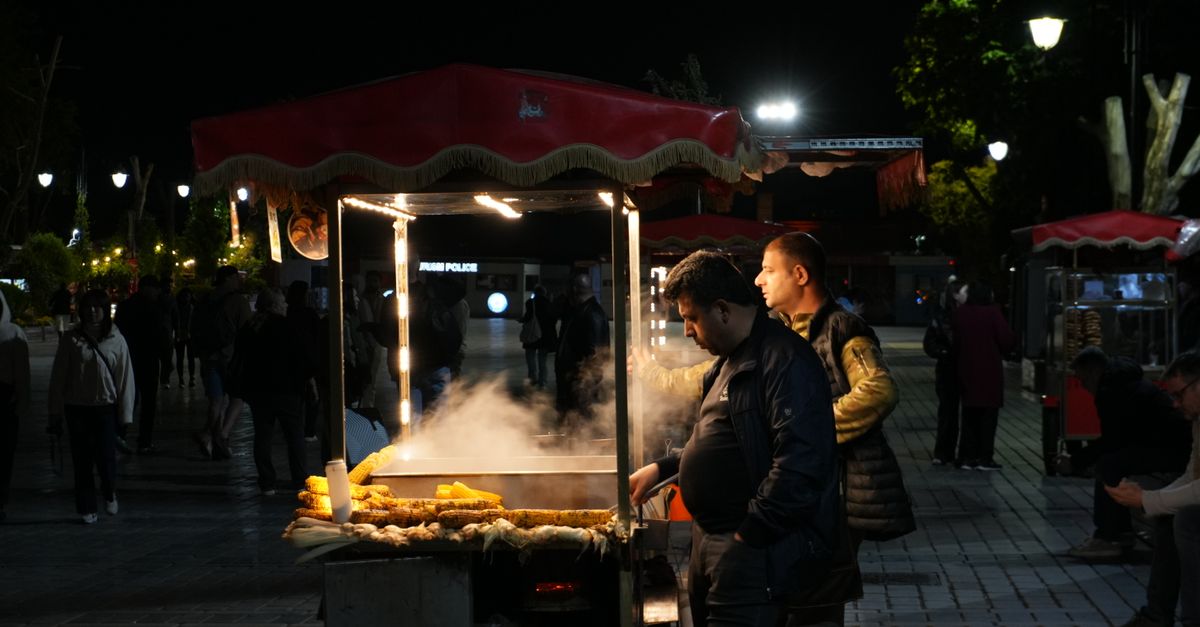
Farm stays and eco-lodges are also popular options for those looking to immerse themselves in the local food culture. These accommodations often offer meals made with ingredients sourced from their own gardens or local farms. Additionally, food markets in larger towns provide a great opportunity to sample a variety of local dishes and ingredients, often at very reasonable prices.
City vs. Countryside Flavor
The Coffee Region offers distinct dining experiences depending on the setting. In cities like Manizales and Armenia, the cuisine tends to be more varied, with newer takes on traditional dishes and a range of international influences. These urban areas offer convenience and accessibility, making them ideal for first-time visitors. In contrast, the countryside focuses on traditional flavors and larger portions, with meals often prepared using time-honored methods. The rural areas provide a more traditional taste of the region's food heritage, with dishes that highlight locally sourced ingredients.
In cities, the food scene is more diverse, with a mix of traditional Colombian dishes and international cuisine. These urban areas offer a wider range of dining options, from upscale restaurants to casual eateries, catering to both locals and tourists. In contrast, the countryside offers a more traditional and rustic dining experience. Farm tables and small village cafes serve dishes that have been prepared the same way for generations, using recipes that highlight the flavors of the region's produce.
Cost, Portions, and Ordering Tips
Dining in the Coffee Region is generally affordable, with meals ranging from $5 to $15 USD. Portions are generous, particularly in rural areas where meals are designed to be filling. When ordering, it's helpful to know some basic Spanish phrases, such as "¿Qué recomienda?" (What do you recommend?) or "Una mesa para dos, por favor" (A table for two, please). While credit cards are accepted in most urban areas, it's advisable to carry cash when dining in smaller towns or at street vendors. Tourist-area pricing can be slightly higher, but local eateries offer great value.
When ordering, it's helpful to ask about the day's specials, as many places offer dishes that highlight seasonal ingredients. It's also worth trying a bandeja paisa, a traditional Colombian platter that includes a variety of meats, rice, beans, and plantains. For those with dietary restrictions, many places are accommodating, but it's always best to inquire about ingredients and preparation methods.
What to Know Before You Try It
Colombian cuisine in the Coffee Region is generally mild, with an emphasis on fresh ingredients rather than heavy spices. However, dishes like "ajiaco" can be hearty and filling, so it's wise to pace yourself. Those with dietary restrictions will find options like vegetarian arepas or salads, but it's always best to ask about ingredients if you have allergies. Food safety is generally good, but it's advisable to choose busy stalls or restaurants where food turnover is high to ensure freshness.
Before diving into the culinary offerings of the Coffee Region, it's important to be aware of a few key points. The cuisine is generally meat-heavy, so vegetarians may need to seek out specific dishes or request modifications. Additionally, the use of fresh produce means that flavors can vary based on the season and availability of ingredients. If you're sensitive to spicy foods, be sure to ask about the level of heat in dishes, as some can be quite spicy.
Common Mistakes Visitors Make
One common mistake is underestimating the portion sizes, which can be quite large, especially in rural areas. Visitors might also miss out on local specialties by sticking to familiar foods, so it's worth trying regional dishes like "bandeja paisa" or "sancocho." Another error is not carrying enough cash, as smaller establishments may not accept cards. Lastly, visitors sometimes overlook the importance of coffee in the region, so be sure to sample the local brews.
Visitors sometimes overlook the importance of timing when dining. In Colombia, lunch is the main meal of the day, and many restaurants close in the afternoon before reopening for dinner. Planning your meals around these hours can ensure you don't miss out on the best dining experiences. Lastly, not engaging with the locals about their food can mean missing out on valuable insights and recommendations.
Frequently Asked Questions
Is Colombian Coffee Region cuisine better in the city or countryside?
For traditional flavors and larger portions, the countryside is ideal. Cities offer more convenience and newer versions.
What does bandeja paisa taste like?
Bandeja paisa is a savory and hearty dish with a mix of textures from the beans, rice, and crispy chicharrón.
How much does a meal usually cost in the Coffee Region?
A typical meal ranges from $5 to $15 USD, with larger portions often found in rural areas.
What should I order with my coffee in the Coffee Region?
Pair your coffee with local pastries like "pandebonos" or "buñuelos" for a true taste of the region.
Related Golden Horizons Guides
- Best Countries to Retire Abroad on a Budget
- Healthcare Abroad for American Retirees
- Retiring Abroad Checklist for Americans
- Visa Rules for Americans Retiring Abroad
About Golden Horizons
Golden Horizons is the retirement abroad magazine for Americans who aren’t done yet.
Final Bite
Colombian Coffee Region cuisine offers a window into the country's agricultural heritage and communal dining culture. With its blend of traditional flavors and modern café experiences, it caters to both adventurous eaters and those seeking comfort in familiar tastes. Whether you're enjoying a hearty bandeja paisa at a farm table or enjoying a light pastry in a mountain café, the region's culinary offerings are sure to leave a lasting impression.