Quick Taste
Bali's village spices and daily cooking offer a flavorful contrast to the island's tourist cafes, featuring aromatic blends of ginger, turmeric, and lemongrass that create a memorable taste experience. While tourist hotspots provide convenience and a global menu, the villages excel in delivering flavors and traditional techniques passed down through generations. For those seeking old-style flavor and larger portions, village eateries provide a more genuine taste of Bali's food heritage, whereas tourist cafes might be better suited for those with dietary restrictions or seeking lighter options.

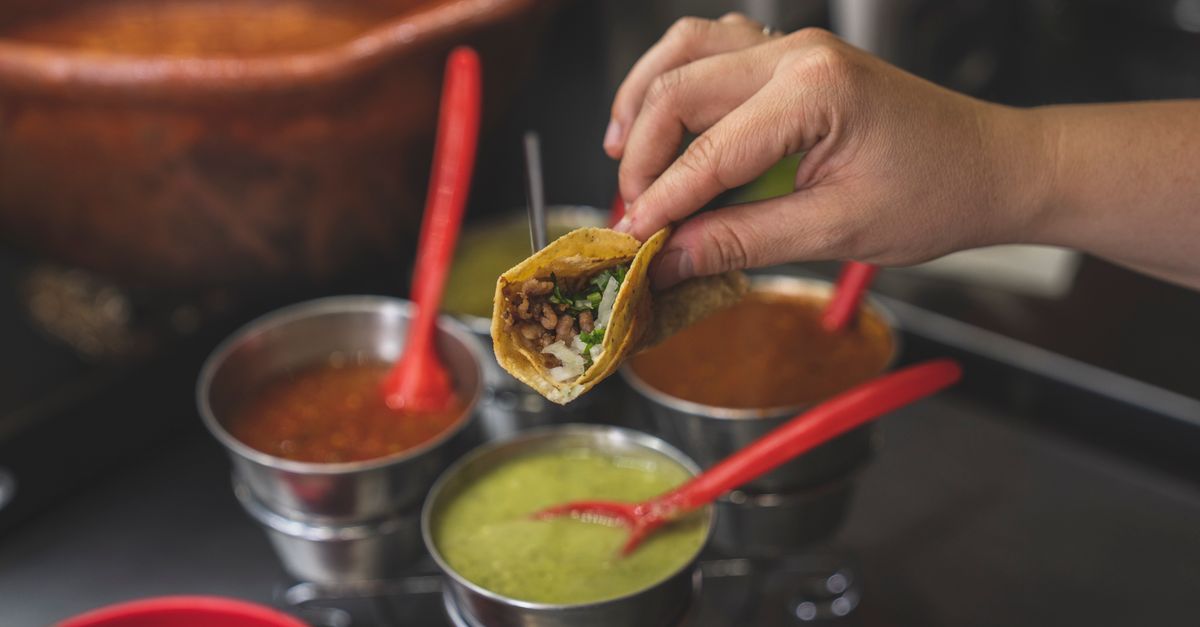
Visitors venturing into Bali's villages will encounter dishes typically served at room temperature, often accompanied by steamed rice and a variety of sambals—spicy chili pastes that add a punch to each meal. Key variations in village cooking include the use of fresh coconut milk and local herbs, which add depth to the dishes. First-time visitors should be prepared for robust flavors and a dining experience that engages all the senses, from the fragrant aromas to the popular colors of the ingredients.
The Story Behind the Dish
Bali's village cuisine is deeply rooted in the island's agricultural traditions, where rice paddies and spice gardens play a central role in daily life. The island's fertile volcanic soil provides an abundance of fresh produce, reflected in the variety of vegetables and herbs used in local dishes. Historically, Balinese cooking has been influenced by the island's Hindu culture, which emphasizes the balance of flavors and the importance of food in religious ceremonies.
Spices are at the heart of Balinese cuisine, with each village often having its own blend passed down through generations. These spice blends, known as "bumbu," are meticulously crafted using traditional methods, such as grinding fresh ingredients with a stone mortar and pestle. This process not only releases the essential oils and flavors of the spices but also connects the cook to the food traditions of their ancestors.
How Locals Eat It
In Bali's villages, meals are typically communal affairs, with families gathering to share food and stories. Dishes are often served on banana leaves, which not only add a subtle flavor but also serve as an eco-friendly alternative to plates. Locals enjoy their meals with their hands, using the right hand to mix the rice and dishes together, creating a harmonious blend of flavors and textures.
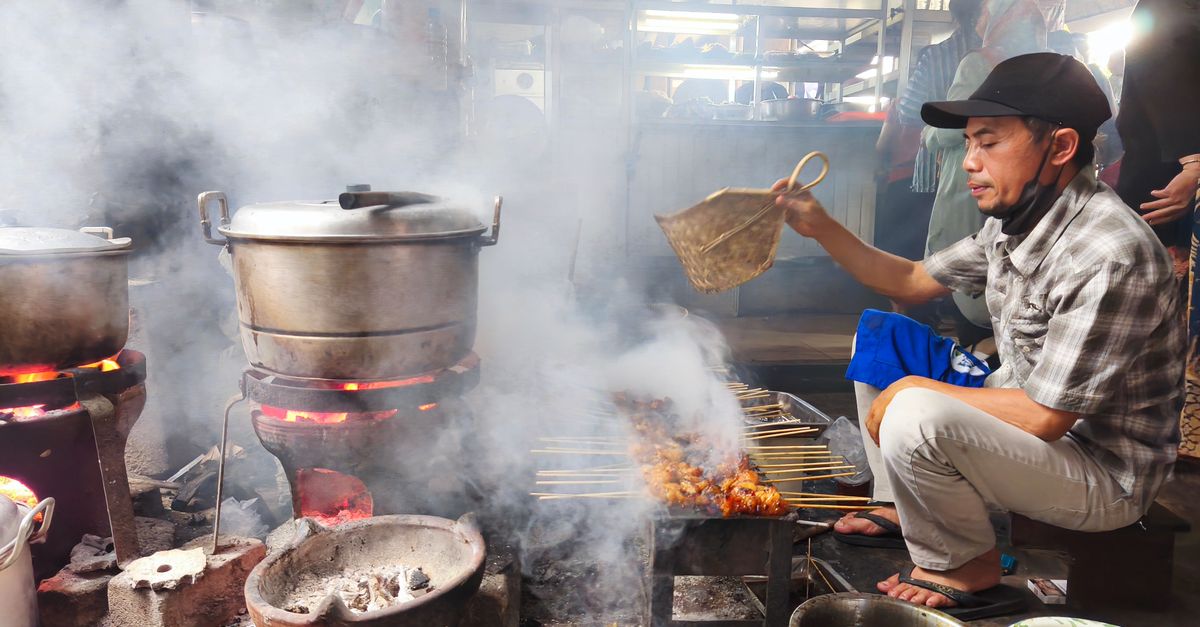
Breakfast in the villages might include nasi campur, a mixed rice dish with small portions of meat, vegetables, and sambal. Lunch and dinner often feature a variety of dishes, such as lawar (a spicy salad of chopped meat, vegetables, and grated coconut), babi guling (roast pig), or ayam betutu (slow-cooked spiced chicken). Each meal is a celebration of the island's bounty, with an emphasis on fresh, locally sourced ingredients.
Where to Find It
To experience the true flavors of Bali's village cooking, visitors should venture beyond the tourist areas and explore the island's rural communities. Villages such as Ubud, Tabanan, and Gianyar offer a glimpse into daily life and the food traditions that have been preserved over generations. Local markets are a great place to start, where vendors sell fresh produce, spices, and ready-to-eat dishes that showcase the island's diverse flavors.

For a more immersive experience, consider joining a cooking class in a village setting. Many local families open their homes to visitors, offering hands-on lessons in traditional Balinese cooking techniques. These classes often include a visit to the local market to select ingredients, providing an opportunity to learn about the island's unique produce and spices firsthand.
City vs. Countryside Flavor
While Bali's cities offer a wide range of dining options, from upscale restaurants to trendy cafes, the true essence of Balinese cuisine is found in the countryside. In urban areas, the focus is often on fusion dishes that cater to international palates, incorporating elements from various cuisines around the world. These dishes may be lighter and more refined, with an emphasis on presentation and contemporary flavors.
In contrast, the countryside offers a more rustic and traditional dining experience, where the emphasis is on flavor and traditionality. Village dishes tend to be heartier, with generous portions and bold spices that reflect the island's agricultural abundance. Here, the focus is on the quality of the ingredients and the skill of the cook, rather than the aesthetics of the dish.
Cost, Portions, and Ordering Tips
Dining in Bali's villages is not only an opportunity to taste traditional flavors but also to enjoy generous portions at reasonable prices. Meals are typically served family-style, with several dishes shared among the table. This communal approach allows diners to sample a variety of flavors and textures, creating a satisfying and well-rounded meal.
When ordering, it's helpful to know a few basic phrases in Indonesian, such as "nasi campur" for mixed rice or "sate" for skewered meats. Prices can vary depending on the location and the ingredients used, but village meals generally offer excellent value for money. It's also worth noting that many dishes are prepared fresh to order, so be prepared for a leisurely dining experience.
What to Know Before You Try It
Before diving into Bali's village cuisine, there are a few things to keep in mind. Many dishes feature bold spices and chilies, so those with sensitive palates should proceed with caution. It's also important to be aware of potential allergens, such as peanuts or shrimp paste, which are commonly used in Balinese cooking.
Hygiene standards can vary, particularly in rural areas, so it's wise to choose eateries that appear clean and well-maintained. Drinking bottled water is recommended, as tap water may not be safe for consumption. Finally, embrace the local customs and enjoy the experience of eating with your hands, as it adds an traditional touch to the meal.
Common Mistakes Visitors Make
One common mistake visitors make is sticking to the familiar dishes found in tourist areas, missing out on the unique flavors of village cooking. To truly appreciate Balinese cuisine, it's essential to step outside your comfort zone and try dishes that may be unfamiliar. Another mistake is not being prepared for the spice levels, which can be quite intense for those unaccustomed to them.
Visitors should also be mindful of portion sizes, as village meals are often served in large quantities. It's easy to over-order, so start with a few dishes and add more if needed. Lastly, be respectful of local customs and traditions, such as removing shoes before entering a home or using the right hand for eating.
Frequently Asked Questions
What are some recommended village dishes in Bali?
Some recommended village dishes include lawar, babi guling, and ayam betutu. Each of these dishes showcases the flavors and spices of Balinese cuisine, offering a taste of the island's food heritage.
How spicy is Balinese village food?
Balinese village food can be quite spicy, with dishes often featuring chilies and bold spice blends. However, spice levels can vary, and many dishes can be adjusted to suit individual preferences. It's always a good idea to ask about spice levels when ordering.
Can I find vegetarian options in Balinese village cuisine?
Yes, vegetarian options are available in Balinese village cuisine, with dishes such as nasi campur often including a variety of vegetables and tofu. It's important to communicate dietary preferences clearly, as some dishes may contain hidden animal products like shrimp paste or fish sauce.
Is it safe to eat street food in Bali's villages?
While street food can be a delicious and affordable option, it's important to choose vendors that appear clean and well-maintained. Look for stalls with a high turnover of customers, as this is often an indicator of freshness and quality.
Related Golden Horizons Guides
- Best Countries to Retire Abroad on a Budget
- Healthcare Abroad for American Retirees
- Retiring Abroad Checklist for Americans
- Visa Rules for Americans Retiring Abroad
About Golden Horizons
Golden Horizons is the retirement abroad magazine for Americans who aren’t done yet.
Final Bite
Bali's village spices and daily cooking offer a rich array of flavors and traditions that extend beyond the tourist cafes. By venturing into the island's rural communities, visitors can experience the true essence of Balinese cuisine, where fresh ingredients and traditional techniques come together to create memorable meals. Whether you're a seasoned traveler or a first-time visitor, embracing the local flavors and customs will provide a deeper understanding of Bali's food heritage and a memorable dining experience.