Quick Taste
In the lively streets of Bogotá, the aroma of freshly griddled arepas fills the air, drawing you toward a small cart where a vendor expertly flips these golden corn cakes. These arepas, stuffed with gooey cheese, offer a warm, comforting bite that is both crispy on the outside and soft inside. Typically enjoyed as a quick snack or breakfast, they are served with a dollop of butter or a sprinkle of salt. For just 2,500 Colombian pesos (about $0.60), these arepas are an affordable delight, offering a glimpse into everyday life in Colombia's popular capital.

The Story Behind the Dish
Arepas have been a staple in Colombian cuisine for centuries, with roots tracing back to the indigenous peoples who inhabited the region long before European colonization. Originally made from ground corn, these cakes were a versatile food that could be cooked over a fire. Over time, the recipe evolved, and today, arepas are made using pre-cooked corn flour, which gives them a distinct texture. In Bogotá, the cheese-stuffed variety is particularly popular, reflecting the local love for dairy products and providing a satisfying, protein-rich option for city dwellers on the go.
How Locals Eat It
In Bogotá, arepas are a popular street food, often consumed on the move or during a quick break from work. Locals typically enjoy them plain or with a simple topping of butter, but some prefer to add a bit of hogao, a traditional Colombian sauce made from tomatoes and onions, for extra flavor. Breakfast is a common time to enjoy in an arepa, paired with a steaming cup of Colombian coffee. For those who enjoy a bit of spice, a drizzle of ají, a hot sauce made from peppers, is a popular addition that adds a fiery kick to each bite.

Where to Find It
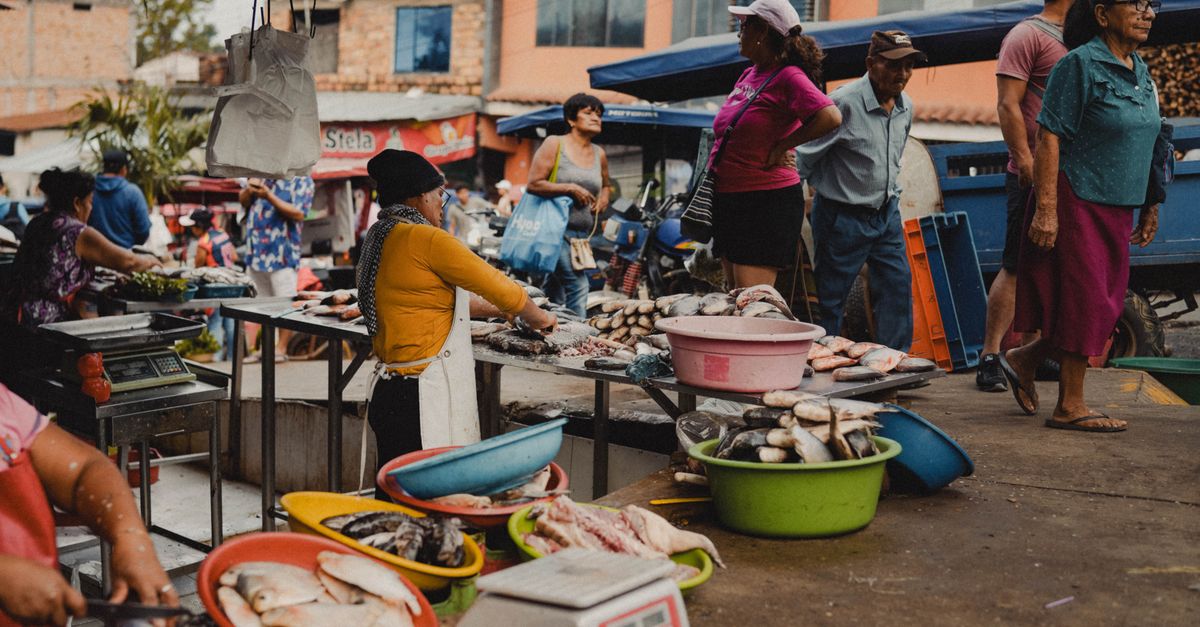
To experience arepas like a local, head to the neighborhood markets or street vendors scattered throughout Bogotá. The Paloquemao Market, one of the city's largest and most popular, is a fantastic place to start. Here, amidst the colorful stalls of fresh produce and flowers, you'll find vendors selling arepas hot off the griddle. Alternatively, the Chapinero district is known for its street food scene, where you can find arepas being cooked to order. For those considering a longer stay in Bogotá, local supermarkets and bakeries also stock pre-made arepas, perfect for reheating at home.
Regional Variations
While the cheese-stuffed arepa is a Bogotá favorite, Colombia's diverse regions offer their own takes on this dish. In the coastal areas, arepas de huevo are a popular variation, where the arepa is deep-fried with an egg inside, creating a rich, enjoynt snack. In the Andean regions, arepas are often made with a mix of corn and wheat flour, resulting in a denser texture. Meanwhile, in the coffee-growing regions, sweet arepas made with panela (unrefined cane sugar) are a breakfast staple. Each variation reflects the local ingredients and tastes, showcasing the versatility of this humble dish.
Cost, Portions, and Ordering Tips
Arepas are an economical option for those looking to eat well on a budget in Bogotá. A single cheese-stuffed arepa typically costs between 2,500 to 3,000 Colombian pesos (about $0.60 to $0.75), making it an affordable snack or light meal. When ordering from a street vendor, it's customary to specify whether you want it plain or with toppings like butter or sauce. If you're buying arepas from a market or grocery store, they often come in packs of five or six, priced around 8,000 to 10,000 pesos (approximately $2 to $2.50), offering a convenient option for home preparation.
What to Know Before You Try It
Before biting into your first arepa in Bogotá, it's helpful to know that they are best enjoyed fresh off the griddle when the cheese is still warm and melty. Street vendors usually prepare them on the spot, ensuring you get the freshest taste. While most vendors are accustomed to tourists, a few phrases in Spanish, like "una arepa con queso, por favor" (an arepa with cheese, please), can enhance the experience. Keep in mind that while arepas are generally safe to eat, it's wise to choose vendors with a steady stream of local customers, as this often indicates good hygiene and quality.
Common Mistakes Visitors Make
One common mistake visitors make is assuming all arepas are the same. In reality, there are numerous varieties, and each offers a different taste experience. Another error is underestimating the filling nature of arepas; while they may seem like a small snack, they are surprisingly hearty. Tourists often overlook the importance of trying arepas from different vendors to appreciate the subtle variations in taste and texture. Lastly, some visitors miss out on the full flavor experience by not experimenting with local toppings like hogao or ají, which can elevate the dish to new heights.
Frequently Asked Questions
What is the main ingredient in arepas?
Arepas are primarily made from pre-cooked corn flour, which gives them their distinctive texture. This flour is mixed with water and salt to form a dough, which is then shaped into patties and cooked on a griddle.
Can I find arepas in restaurants, or are they only street food?
While arepas are commonly found as street food, many restaurants in Bogotá also serve them, often as a side dish or appetizer. Some eateries offer gourmet versions with various fillings and toppings.
Are there gluten-free options for arepas?
Yes, traditional arepas made from corn flour are naturally gluten-free, making them a suitable option for those with gluten sensitivities. However, it's always a good idea to confirm with the vendor or restaurant.
How do arepas differ from other corn-based dishes like tortillas?
Unlike tortillas, which are typically thinner and used as wraps, arepas are thicker and often stuffed or topped with ingredients. Their texture is more bread-like, and they are usually eaten on their own or as a side dish.
Related Golden Horizons Guides
- Best Countries to Retire Abroad on a Budget
- Healthcare Abroad for American Retirees
- Retiring Abroad Checklist for Americans
- Visa Rules for Americans Retiring Abroad
About Golden Horizons
Golden Horizons is the retirement abroad magazine for Americans who aren't done yet.
Final Bite
Arepas in Bogotá offer more than just a tasty snack; they provide a window into the daily life and food traditions of Colombia. Whether you're strolling through a local market or enjoying a quiet morning at a café, these cheese-stuffed corn cakes are a delicious reminder of the simple pleasures of life abroad. If you're considering spending more time in Bogotá, sampling street food like arepas is an essential part of understanding the rhythm and flavor of the city. It's an experience worth enjoying before making any big decisions about your future adventures.