Quick Taste
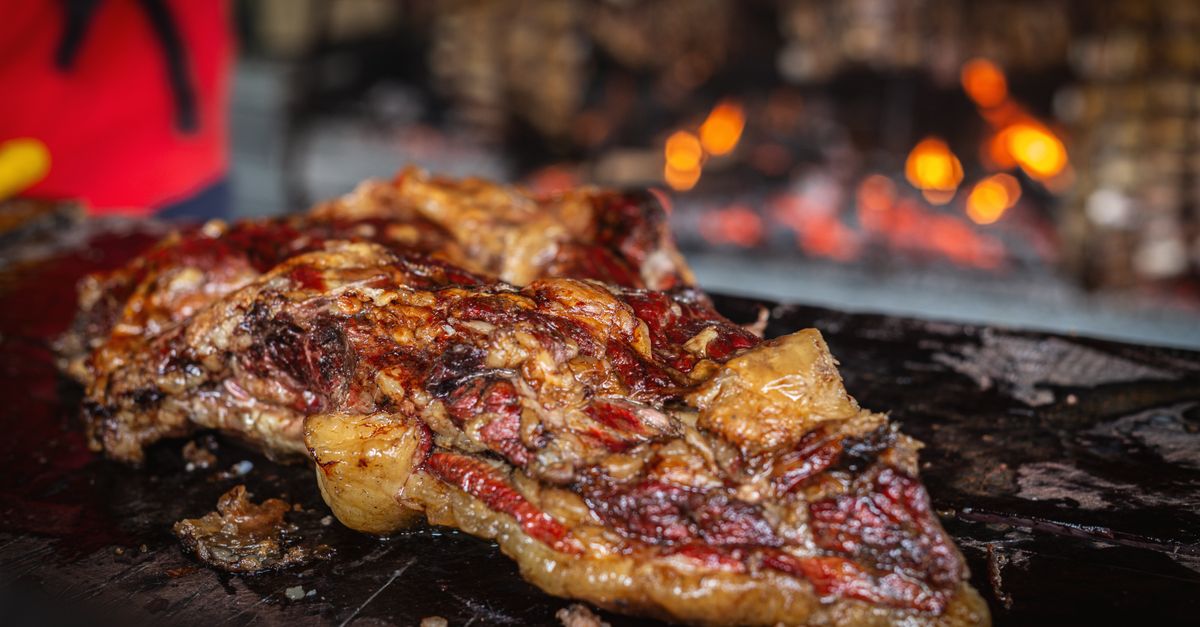
Lavash in Armenia is a soft, thin flatbread with a slightly chewy texture, and Yerevan is better for convenience while the countryside offers larger portions and old-style flavor. Lavash is an integral part of Armenian cuisine, often used as a wrap for grilled meats or simply enjoyed with cheese and herbs. The bread is traditionally baked in a tonir, an underground clay oven, which imparts a smoky aroma that enhances its taste. Fire-grilled meats, known locally as khorovats, are another staple, offering a robust, smoky flavor that pairs perfectly with the subtlety of lavash.
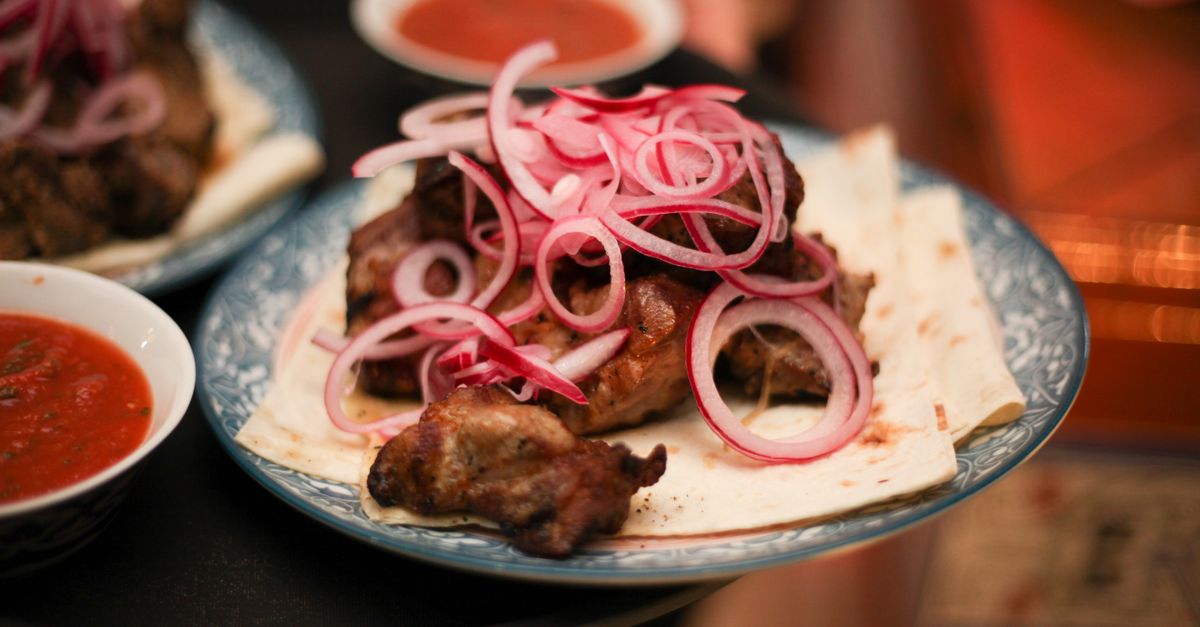
These foods are not just about taste; they embody Armenia's deep food traditions and cultural heritage. Visitors will find lavash served warm, often alongside a variety of grilled meats and vegetables. The bread's texture is soft yet slightly resilient, making it ideal for wrapping around juicy, charred pieces of lamb or pork. Variations exist, with some lavash being thinner and crispier, while others are thicker and more pliable. Accompaniments typically include fresh herbs like parsley and cilantro, tangy pickles, and a dollop of spicy adjika sauce.
The Story Behind the Dish
Lavash and khorovats have deep roots in Armenian history, dating back centuries. Lavash is more than just bread; it is a symbol of family and community. Traditionally, women gather to prepare lavash, a process that involves kneading the dough, rolling it out thinly, and skillfully slapping it against the hot walls of the tonir. This communal activity not only produces bread but also strengthens social bonds.
Khorovats, on the other hand, is synonymous with Armenian celebrations. The tradition of grilling meat over an open flame is believed to have originated with nomadic tribes who relied on this method for cooking. Today, khorovats is a centerpiece at gatherings and festivals, representing hospitality and togetherness. The meats, often marinated in a mixture of onions, garlic, and local spices, are skewered and grilled to perfection, capturing the essence of Armenian culinary art.
How Locals Eat It
In Armenia, lavash and khorovats are enjoyed in various settings, from family dinners to street-side eateries. Locals often use lavash as a wrap, encasing grilled meats and vegetables, creating a portable and satisfying meal. It is common to see families and friends gathered around a table, sharing platters of khorovats, accompanied by fresh salads and homemade wine.

The experience is as much about the social aspect as it is about the food. Meals are leisurely, with diners taking time to enjoy each bite, engage in conversation, and enjoy the company of others. Lavash is often torn by hand and used to scoop up meat and side dishes, a practice that highlights the bread’s versatility and importance in Armenian dining culture.
Where to Find It
Yerevan, Armenia's capital, is a hub where visitors can easily find lavash and khorovats in restaurants and markets. Popular spots include the Vernissage Market, where vendors sell freshly baked lavash alongside other traditional foods. For a more rustic experience, venture to the countryside, where local eateries offer traditional flavors and larger portions.
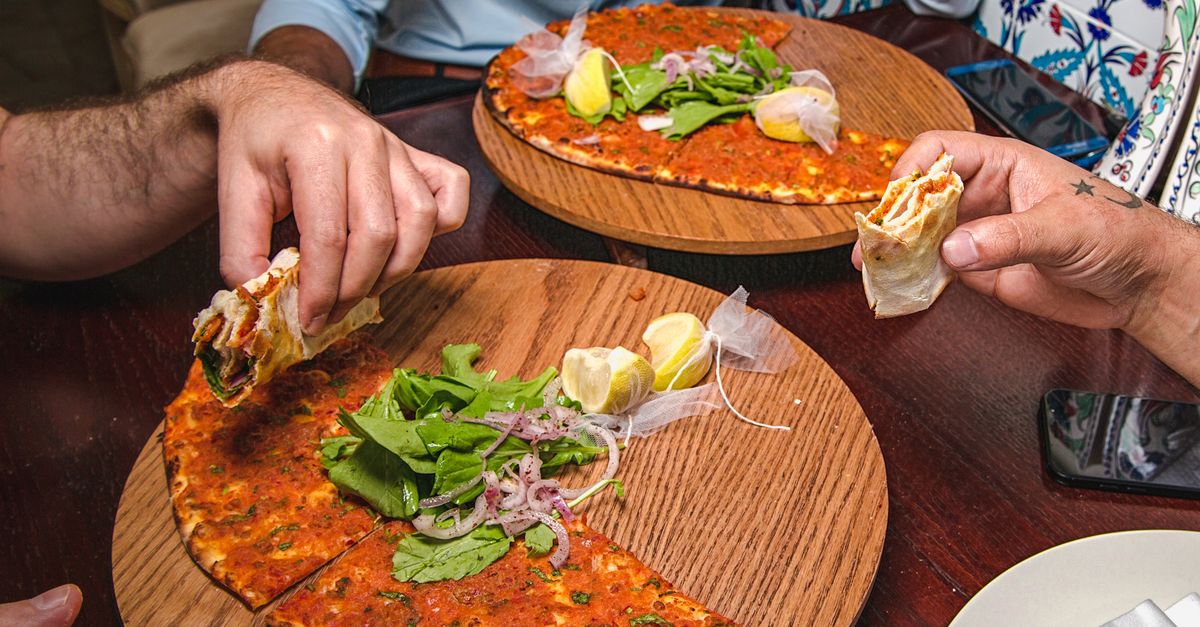
In rural areas, particularly in regions like Lori or Tavush, the preparation of lavash and khorovats remains closer to traditional methods. Many small villages have family-run establishments where the bread is baked in a tonir and meats are grilled over open flames, providing a taste of Armenia’s culinary roots. Whether in the city or the countryside, these dishes are a testament to the enduring appeal of Armenian food traditions.
City vs. Countryside Flavor
The flavors of lavash and khorovats can vary significantly between urban and rural settings. In Yerevan, the focus is often on convenience and accessibility, with restaurants offering a newer take on traditional recipes. Here, lavash might be served thinner and crispier, catering to contemporary tastes, while khorovats could be marinated with additional spices for a bolder flavor.
Conversely, the countryside offers a more traditional approach, with thicker, more pliable lavash and simply seasoned meats that highlight the quality of local produce. The slower pace of rural life allows for a more immersive dining experience, where meals are prepared with care and attention to detail. For those seeking an traditional taste of Armenia, the countryside provides a glimpse into the past, where food is deeply connected to the land and its people.
Cost, Portions, and Ordering Tips
In Armenia, lavash and khorovats are generally affordable, making them accessible to both locals and tourists. A meal of khorovats with lavash can range from 3,000 to 6,000 AMD, depending on the location and type of meat. Portions are generous, often designed for sharing, so it’s advisable to order a variety of dishes to experience a full spectrum of flavors.
When ordering, consider the type of meat you prefer. Lamb and pork are popular choices, each offering a distinct taste and texture. For a lighter option, chicken khorovats is also available. Don’t hesitate to ask for recommendations from the staff, as they can provide insights into the best combinations and accompaniments. Remember to specify your spice preference, as some dishes may come with a kick of heat.
What to Know Before You Try It
Before trying lavash and khorovats, there are a few things to keep in mind. Lavash is often served fresh, so it’s best enjoyed on the same day it’s baked. Its shelf life is short, though it can be dried and stored for later use. When dried, lavash becomes crisp and is typically rehydrated with water before consumption.
Khorovats, being a grilled dish, is best eaten hot off the grill. The smoky aroma and juicy texture are at their peak when freshly cooked. Be mindful of potential allergens, as some marinades may contain nuts or dairy products. For those with dietary restrictions, it’s wise to inquire about ingredients beforehand. Lastly, embrace the communal nature of Armenian dining; sharing food is an integral part of the experience.
Common Mistakes Visitors Make
One common mistake visitors make is underestimating the portion sizes. Armenian meals are often designed for sharing, so ordering too much can lead to waste. It’s better to start with a modest selection and order more if needed. Another mistake is not trying the local accompaniments, such as fresh herbs and pickles, which enhance the overall flavor of the dishes.
Some visitors may also overlook the importance of the dining experience itself. In Armenia, meals are a time for socializing and connecting with others. Rushing through a meal or eating alone can detract from the cultural significance of the food. Finally, it’s important to respect local customs and traditions, such as using lavash as a utensil, to fully appreciate the cultural context of Armenian cuisine.
Frequently Asked Questions
What is the best time to enjoy lavash and khorovats in Armenia?
The best time to enjoy lavash and khorovats is during the warmer months, from late spring to early autumn, when outdoor grilling is prevalent. Many local festivals and gatherings feature these dishes, providing an opportunity to experience them in a lively and communal setting.
Are there vegetarian options available with lavash?
Yes, vegetarian options are available. Lavash can be paired with grilled vegetables, cheese, and fresh herbs to create a satisfying meal. Many restaurants offer vegetarian platters that highlight seasonal produce, making it easy for non-meat eaters to enjoy Armenian flavors.
How is lavash different from other flatbreads?
Lavash is distinct due to its preparation method and texture. Baked in a tonir, it develops a smoky flavor and a soft, pliable texture. Unlike other flatbreads, lavash is often served in large, thin sheets that can be used for wrapping or tearing.
Can I find lavash and khorovats outside Armenia?
While lavash and khorovats can be found in Armenian communities worldwide, the traditional experience is best enjoyed in Armenia. The traditional preparation methods and local ingredients contribute to flavors that are hard to replicate elsewhere.
Related Golden Horizons Guides
- Best Countries to Retire Abroad on a Budget
- Healthcare Abroad for American Retirees
- Retiring Abroad Checklist for Americans
- Visa Rules for Americans Retiring Abroad
About Golden Horizons
Golden Horizons is the retirement abroad magazine for Americans who aren’t done yet.
Final Bite
Armenia's lavash and fire-grilled meats offer more than just sustenance; they provide a window into the country's ancient food traditions and communal dining culture. Whether enjoyed in the lively streets of Yerevan or the serene countryside, these dishes embody the warmth and hospitality of Armenian life. For travelers seeking to understand the soul of Armenia, enjoying lavash and khorovats is an essential experience that connects the past with the present, one delicious bite at a time.