Quick Taste
Khuzi in the UAE is a traditional dish featuring slow-cooked lamb or goat served over spiced rice, and Dubai is better for convenience while Abu Dhabi is better for old-style flavor. This dish is a staple of Emirati cuisine, known for its tender meat and aromatic rice infused with a blend of spices like cardamom, cinnamon, and saffron. In Dubai, you'll find Khuzi more accessible in various restaurants and food courts, making it ideal for first-time visitors. Abu Dhabi, on the other hand, offers a more traditional experience with larger portions and a focus on preparation methods that highlight the dish's depth of flavor.

When you encounter Khuzi in the UAE, expect a hearty meal that embodies the essence of Arabian hospitality. The dish is typically served with accompaniments such as yogurt, salad, and sometimes a side of roasted nuts or raisins for added texture. Variations can include the use of chicken instead of lamb or goat, catering to different dietary preferences. The meat is usually marinated and slow-cooked to perfection, resulting in a melt-in-your-mouth texture that pairs beautifully with the fragrant rice. For those with dietary restrictions, Dubai offers lighter options and more diverse ingredient choices, whereas Abu Dhabi remains steadfast in its traditional offerings.
The Story Behind the Dish
Khuzi, also known as Ghuzi, is deeply rooted in the food traditions of the Arabian Peninsula. Historically, it was a dish reserved for special occasions and celebrations, symbolizing wealth and hospitality. The use of whole roasted lamb or goat reflects the dish's origins as a communal meal, meant to be shared among family and friends during festive gatherings.
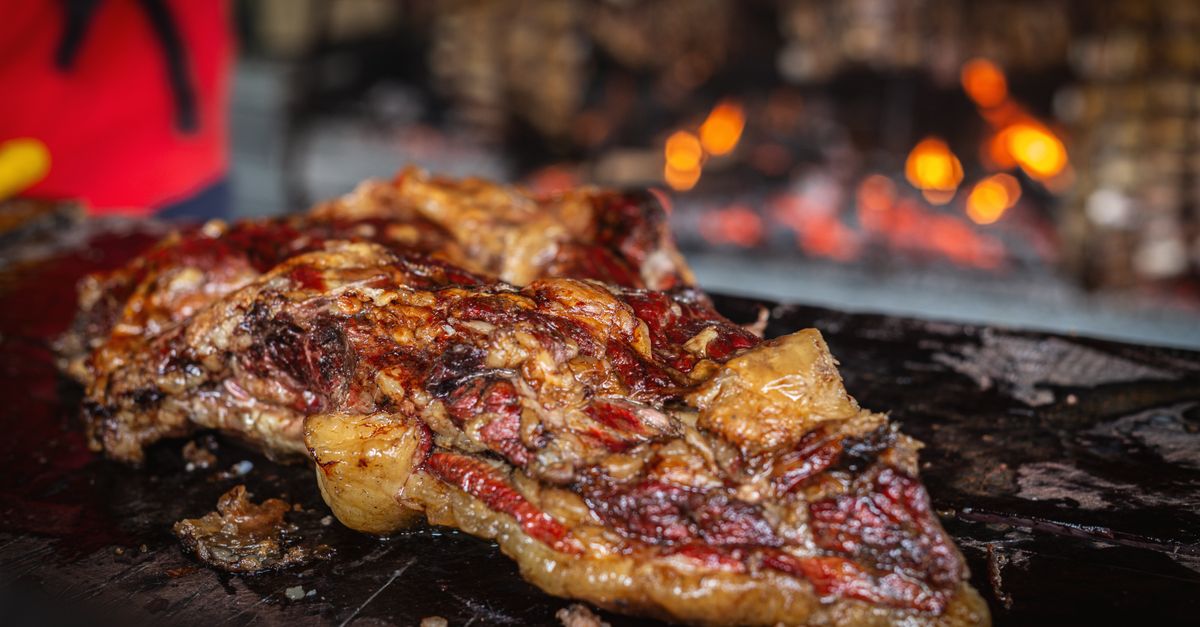
The preparation of Khuzi is a labor of love, often involving hours of marinating the meat with a blend of spices that may include cumin, coriander, and cloves, before slow-roasting it to achieve the desired tenderness. The rice, cooked separately, is flavored with saffron and sometimes garnished with fried onions, nuts, or dried fruits, adding layers of flavor and texture. This intricate preparation process highlights the dish's significance as a centerpiece of Emirati food heritage, cherished for its ability to bring people together.
How Locals Eat It
In the UAE, Khuzi is more than just a meal; it's a social event. Locals often enjoy it during family gatherings, weddings, and religious celebrations. Traditionally, Khuzi is served on a large communal platter, encouraging diners to eat with their hands, a practice that enhances the sensory experience and fosters a sense of community.

In Dubai, locals might enjoy Khuzi at home or in restaurants that specialize in Emirati cuisine. It is common to find variations that cater to the city's diverse population, with some establishments offering a newer take on the classic dish. In Abu Dhabi, Khuzi is often enjoyed in a more traditional setting, with locals preferring to stick to the time-honored recipes passed down through generations. Here, the emphasis is on traditionality, with many opting for the classic lamb version, accompanied by traditional sides like laban (a yogurt drink) and fresh salad.
Where to Find It
In Dubai, Khuzi is widely available in both high-end restaurants and casual dining spots. Places like Al Fanar Restaurant & Cafe offer a taste of traditional Emirati cuisine in a setting that reflects the country's cultural heritage. Food courts in malls also provide convenient options for those looking to try Khuzi on the go.

Abu Dhabi, meanwhile, boasts establishments like Al Arish and Al Dhafra Restaurant, where the focus is on delivering an traditional Emirati dining experience. These venues are known for their commitment to preserving the traditional flavors of Khuzi, often using locally sourced ingredients and traditional cooking methods to ensure the dish remains true to its roots. Whether you're in the lively city of Dubai or the more laid-back capital of Abu Dhabi, Khuzi is a dish that can be found and enjoyed by locals and visitors alike.
City vs. Countryside Flavor
The flavor of Khuzi can vary significantly between the urban centers of Dubai and Abu Dhabi and the more rural areas of the UAE. In Dubai, the dish often reflects the city's cosmopolitan nature, with chefs experimenting with different spices and ingredients to cater to a diverse clientele. This can result in a slightly milder flavor profile, making it more accessible to those who may be new to Middle Eastern cuisine.
In contrast, Abu Dhabi offers a more traditional take on Khuzi, with a focus on robust flavors and traditional preparation methods. The countryside areas surrounding the capital are known for their dedication to preserving the dish's traditional taste, often using locally sourced lamb and spices to create an aromatic meal. This commitment to traditionality is particularly evident in the way the meat is cooked, with many opting for the traditional slow-roasting method that ensures maximum tenderness and flavor.
For those seeking a true taste of Emirati culture, a visit to the countryside can provide a deeper appreciation for the dish's origins and the care that goes into its preparation. However, for convenience and variety, the city offers a more diverse range of options, catering to different tastes and dietary preferences.
Cost, Portions, and Ordering Tips
When it comes to cost, Khuzi can vary depending on where you choose to dine. In Dubai, prices typically range from AED 60 to AED 150 per portion, depending on the restaurant's location and ambiance. Casual dining spots and food courts offer more affordable options, while high-end restaurants may charge a premium for a more luxurious dining experience.
In Abu Dhabi, prices are generally similar, with portions often being larger due to the traditional serving style. It's common for Khuzi to be served in generous portions, making it ideal for sharing among a group. When ordering, it's advisable to confirm the portion size and inquire about any additional sides or accompaniments that may be included.
For first-time visitors, it's worth noting that Khuzi is typically a hearty meal, so it's best to come with an appetite. If you're unsure about the spice level, don't hesitate to ask the server for recommendations or adjustments to suit your palate. Additionally, it's always a good idea to check the current menu and prices, as these can vary between establishments.
What to Know Before You Try It
Before trying Khuzi, it's important to understand the cultural significance of the dish and the etiquette associated with its consumption. In traditional settings, Khuzi is often eaten with the right hand, as per local customs, and diners are encouraged to share the meal from a communal platter. This practice is not only a nod to tradition but also enhances the communal dining experience.
For those with dietary restrictions, it's worth noting that Khuzi is typically made with lamb or goat, though chicken versions are available in some places. If you have specific dietary needs or preferences, it's advisable to communicate these to the restaurant staff when ordering. Additionally, while the dish is generally safe for most people, those with allergies to nuts or dairy should inquire about the ingredients used in the rice and accompaniments.
Finally, be prepared for a leisurely dining experience, as Khuzi is meant to be enjoyed in a relaxed setting. Whether you're dining in a lively city restaurant or a serene countryside eatery, take the time to appreciate the flavors and the cultural significance of this cherished Emirati dish.
Common Mistakes Visitors Make
One common mistake visitors make when trying Khuzi for the first time is underestimating the portion size. Given its communal nature, Khuzi is often served in large portions meant for sharing, so it's advisable to order accordingly, especially if dining in a group.
Another mistake is not being aware of the traditional eating customs associated with the dish. While using utensils is perfectly acceptable in many modern establishments, embracing the traditional practice of eating with the right hand can enhance the experience and show respect for local customs.
Visitors may also overlook the importance of accompaniments, such as yogurt and salad, which are integral to balancing the flavors of the dish. These sides not only complement the taste of the Khuzi but also provide a refreshing contrast that enhances the overall meal.
Finally, some may make the error of not exploring the different variations of Khuzi available. While the traditional lamb version is the most popular, trying other variations, such as chicken or vegetarian options, can offer a new perspective on this dish.
Frequently Asked Questions
What is the main difference between Khuzi in Dubai and Abu Dhabi?
The main difference lies in the preparation and flavor profile. Dubai offers a more diverse range of options, often with milder flavors and newer takes, catering to a cosmopolitan audience. Abu Dhabi, however, stays true to traditional methods, focusing on robust flavors and traditionality, often using locally sourced ingredients.
Is Khuzi suitable for vegetarians?
While traditional Khuzi is made with lamb or goat, some restaurants in Dubai offer vegetarian versions using a variety of vegetables and spices to mimic the flavors of the original dish. It's best to inquire with the restaurant about vegetarian options and any potential cross-contamination with meat products.
How spicy is Khuzi?
Khuzi is typically mildly spiced, with the emphasis on aromatic flavors rather than heat. The dish uses a blend of spices such as saffron, cardamom, and cinnamon, which contribute to its aroma. If you prefer less spice, you can request adjustments when ordering, especially in Dubai where menus often cater to a wide range of palates.
Can I find Khuzi outside of restaurants in the UAE?
Yes, Khuzi is also available at food markets, festivals, and cultural events throughout the UAE. These venues often provide a more traditional experience, allowing visitors to enjoy the dish in a communal setting. However, availability may vary, so it's advisable to check event details or market listings in advance.
Related Golden Horizons Guides
- Best Countries to Retire Abroad on a Budget
- Healthcare Abroad for American Retirees
- Retiring Abroad Checklist for Americans
- Visa Rules for Americans Retiring Abroad
About Golden Horizons
Golden Horizons is the retirement abroad magazine for Americans who aren’t done yet.
Final Bite
Khuzi is more than just a dish; it's a cultural emblem that encapsulates the hospitality and food traditions of the UAE. Whether you find yourself in the lively cityscape of Dubai or the more traditional environs of Abu Dhabi, Khuzi offers a taste of Emirati heritage that is both satisfying and enlightening. For those eager to experience the flavors of the UAE, Khuzi provides an excellent introduction to the country's food traditions. Remember to embrace the communal nature of the dish, enjoy the aromatic spices, and appreciate the experience of sharing a meal that has been cherished for generations.