Quick Taste
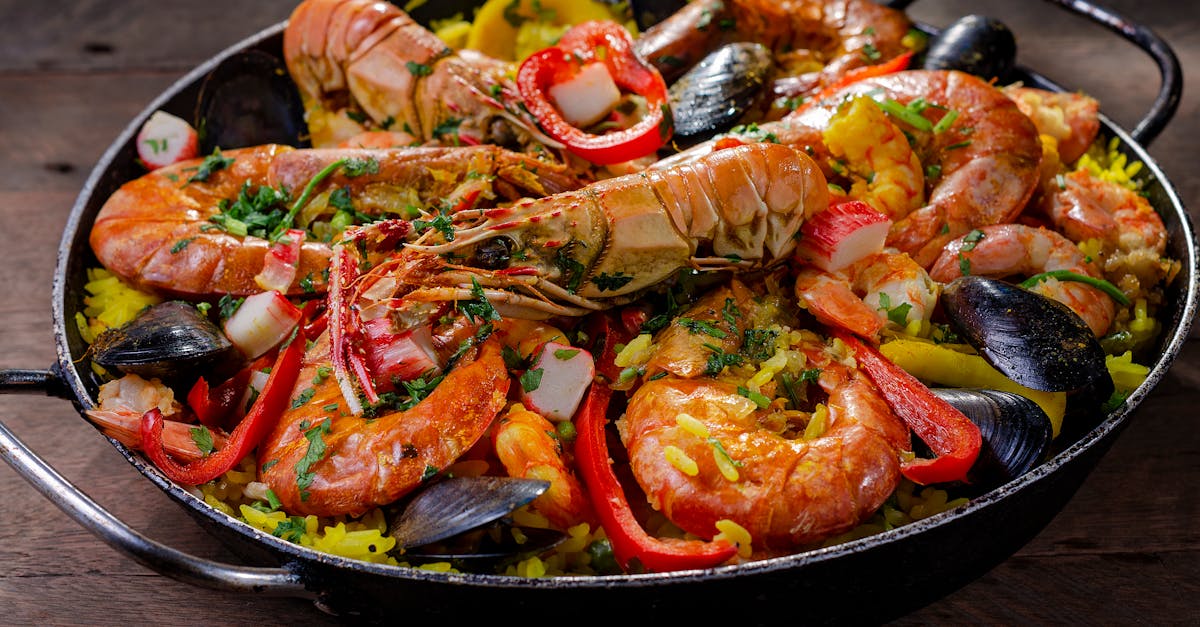
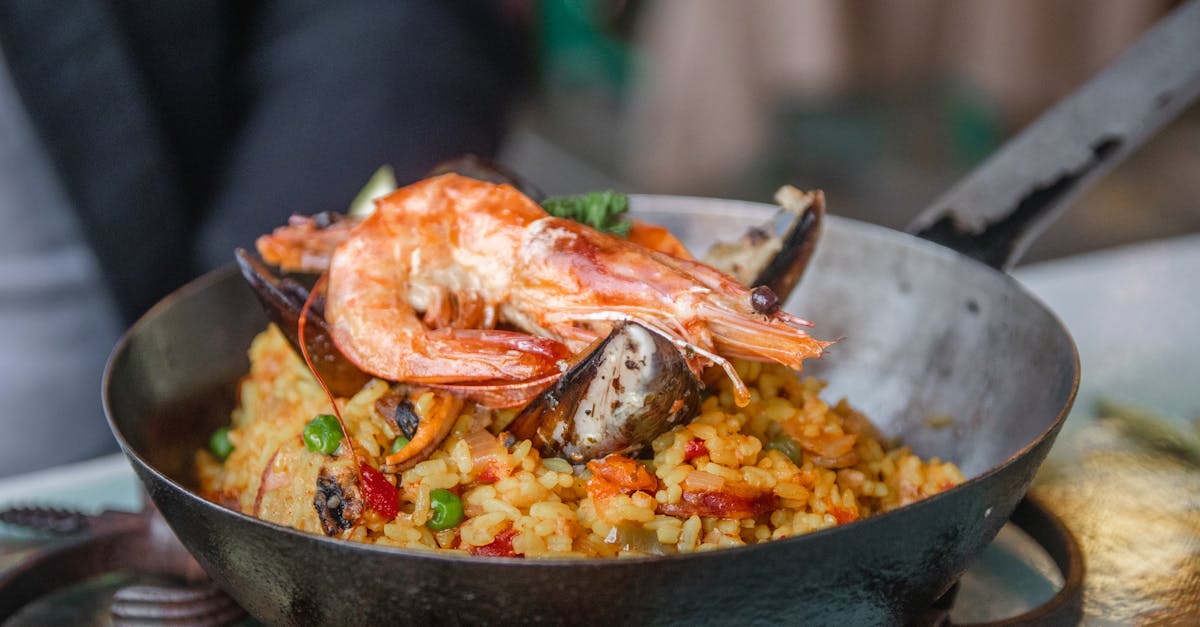
Imagine yourself on a sun-dappled terrace in Valencia, the birthplace of paella, where the aroma of saffron and seafood wafts through the air. Before you sits a steaming plate of seafood paella, each grain of rice perfectly cooked and infused with the briny essence of the Mediterranean. The dish is a mosaic of mussels, shrimp, and squid, all located in a golden bed of rice, and it costs just EUR 5.50 (about $6). This is not just a meal; it's a taste of everyday life in Valencia, where locals gather for leisurely lunches and the pace of life slows to a gentle rhythm.
The Story Behind the Dish
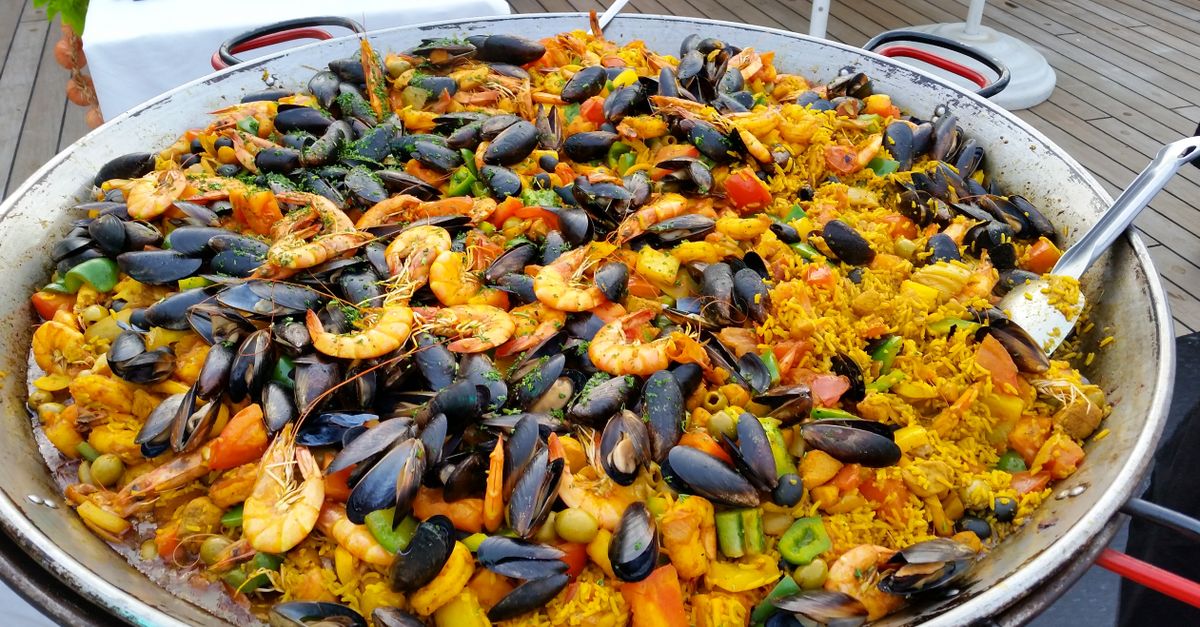
Paella's roots run deep in Valencia, where it was traditionally cooked over open fires by farmers and laborers. Originally, paella was a humble dish made with whatever ingredients were on hand, often including rabbit, chicken, and snails. The seafood version emerged later, capitalizing on Valencia's proximity to the sea. Today, paella is a symbol of Spanish culinary tradition, celebrated for its communal nature and the skill required to achieve the perfect socarrat, the crispy rice layer at the bottom of the pan. Each cook has their own secret to achieving this coveted texture, making every paella a unique expression of its maker.
How Locals Eat It
In Valencia, paella is more than just food; it's a social event. Locals typically enjoy it during long, leisurely lunches on weekends, often accompanied by family and friends. It's traditionally eaten directly from the pan, with each person claiming their portion. The dish is often paired with a crisp glass of white wine or a refreshing sangria, enhancing the flavors of the seafood. While tourists may flock to restaurants in the city center, locals often head to neighborhood eateries or seaside chiringuitos, where the paella is cooked to order and the atmosphere is relaxed and convivial.
Where to Find It
For those seeking an traditional experience, head to the markets of Valencia, where you can find stalls selling fresh seafood and vendors offering paella by the portion. The Mercado Central is a lively hub where locals shop for ingredients and grab a quick bite. Alternatively, venture to the El Cabanyal neighborhood, a former fishing village turned popular district, where small family-run restaurants serve up paella that rivals any in the city. These spots are less frequented by tourists, offering a more genuine taste of Valencia's food heritage.

Regional Variations
While seafood paella is a staple in Valencia, the dish varies significantly across Spain. In the region of Catalonia, you might encounter a version called fideuà, which replaces rice with short noodles. Inland, you'll find paella de montaña, featuring game meats and mushrooms, reflecting the ingredients available in the mountains. Each region's take on paella is a reflection of its geography and history, showcasing the diverse food landscape of Spain. Even within Valencia, subtle differences in ingredients and preparation methods can be found, making each paella a unique experience.
Cost, Portions, and Ordering Tips
In Valencia, a portion of seafood paella typically costs between EUR 5.50 and EUR 8 (about $6-9), making it an affordable enjoynce. Portions are generous, often enough to satisfy even the heartiest appetite. When ordering, it's important to note that paella is traditionally cooked to order, so be prepared to wait 20-30 minutes for your dish. This wait is part of the experience, allowing you to savor the anticipation as the aromas fill the air. For the best value, avoid tourist hotspots and seek out local eateries where the focus is on quality rather than quantity.
What to Know Before You Try It
Before diving into a plate of seafood paella, it's helpful to understand a few key points. First, the socarrat, or crispy rice layer, is considered the highlight of the dish, so don't shy away from scraping the bottom of the pan. Second, paella is traditionally eaten at lunchtime, as it's considered too heavy for dinner. Finally, while many restaurants offer paella on their menus, not all are created equal. Look for places that specialize in the dish, as they are more likely to offer a superior version.
Common Mistakes Visitors Make
One common mistake visitors make is assuming that all paella is the same. In reality, the quality can vary greatly depending on the restaurant and the cook. Another error is ordering paella for dinner, which is not the traditional time for this hearty dish. Finally, many tourists overlook the importance of the socarrat, missing out on one of the most prized elements of paella. To truly appreciate the dish, embrace the local customs and savor each bite.
Frequently Asked Questions
What makes Valencia's paella different from other regions?
Valencia's paella is distinct due to its use of local ingredients such as bomba rice, saffron, and fresh seafood. The emphasis on achieving the perfect socarrat also sets it apart.
Can I make seafood paella at home?
Yes, you can make seafood paella at home, but achieving the traditional taste requires quality ingredients and a bit of practice, especially to master the socarrat.
Is paella always made with seafood?
No, paella can be made with a variety of ingredients, including chicken, rabbit, and vegetables. The seafood version is just one of many delicious variations.
How do I know if a restaurant serves good paella?
Look for restaurants that specialize in paella and have a reputation among locals. Avoid places with pre-made paella sitting in display cases, as freshness is key.
Related Golden Horizons Guides
- Best Countries to Retire Abroad on a Budget
- Healthcare Abroad for American Retirees
- Retiring Abroad Checklist for Americans
- Visa Rules for Americans Retiring Abroad
About Golden Horizons
Golden Horizons is the retirement abroad magazine for Americans who aren't done yet.
Final Bite
Sampling the seafood paella in Valencia offers a glimpse into the leisurely, flavorful lifestyle that defines this Spanish city. For anyone considering an extended stay or retirement here, it's an experience that captures the essence of local life. Before making any decisions, spend a week enjoying these moments, where each meal is an opportunity to connect with the culture and community.