Quick Taste
Pad Thai in Bangkok is a flavorful stir-fried noodle dish with a balance of sweet, sour, and salty flavors, while Chiang Mai offers a version with a more pronounced herbal taste. Tom Yum Goong in Bangkok is known for its intense spicy and sour notes, whereas Chiang Mai's version tends to be milder and more aromatic. Bangkok is better for those seeking bold flavors and a active street food experience, while Chiang Mai is ideal for those who prefer a more relaxed dining atmosphere and a subtler taste profile.

When you visit Thailand, Pad Thai and Tom Yum Goong are two dishes that will undoubtedly capture your culinary attention. Pad Thai typically features stir-fried rice noodles, shrimp, eggs, tofu, and a combination of tamarind paste, fish sauce, and palm sugar, garnished with peanuts and lime. In Bangkok, expect a slightly sweeter and richer version with a hint of smokiness from the wok. In Chiang Mai, the dish often includes more fresh herbs like cilantro and Thai basil, giving it a fresher taste. Tom Yum Goong, a hot and sour soup with shrimp, is a popular mix of lemongrass, kaffir lime leaves, galangal, and chili. The Bangkok version is usually spicier, while Chiang Mai's version may include additional local herbs, offering a gentler heat.
The Story Behind the Dish
Pad Thai and Tom Yum Goong are quintessential Thai dishes with rich histories that reflect the country's diverse culinary influences. Pad Thai, often considered Thailand's national dish, was popularized during the 1930s and 1940s as part of a campaign to promote nationalism and reduce rice consumption. Its creation was influenced by Chinese stir-fried noodle dishes, but it was adapted to suit Thai tastes with the addition of local ingredients like tamarind and fish sauce.
Tom Yum Goong, on the other hand, has roots that trace back centuries as a traditional Thai soup. It embodies the balance of flavors that Thai cuisine is known for, combining spicy, sour, sweet, and enjoyy elements. The dish's name translates to "boiled mixed shrimp," highlighting the central role of seafood in Thai cooking. Over time, Tom Yum Goong has evolved with regional variations that incorporate local ingredients and preferences, making it a popular staple across the country.
How Locals Eat It
In Bangkok, Pad Thai is often enjoyed as a quick street food meal, served in active night markets or roadside stalls. Locals typically customize their Pad Thai with condiments like chili powder, sugar, and lime juice to adjust the flavors to their liking. It's common to see Bangkokians enjoying this dish with a side of fresh vegetables or a fried egg on top for added richness.
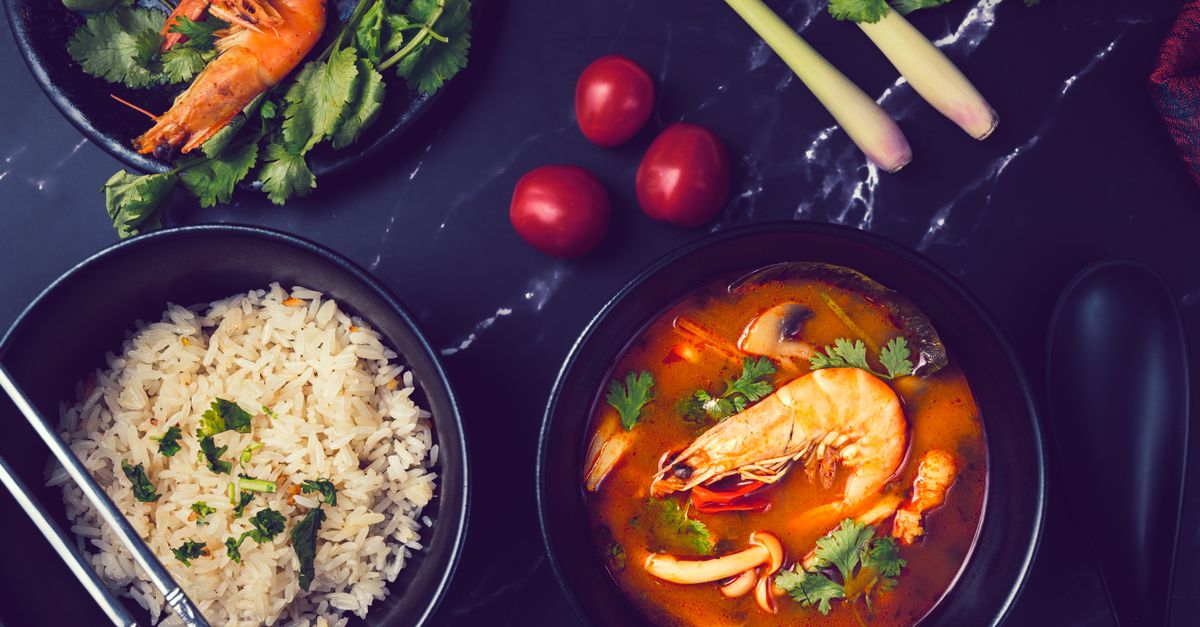
Chiang Mai locals, however, tend to enjoy Pad Thai in a more relaxed setting, often at small family-run eateries. The northern version might include a touch of local sausage or extra herbs, reflecting the region's culinary influences. Tom Yum Goong in Bangkok is usually consumed as part of a larger meal, accompanied by rice and other dishes. In Chiang Mai, the soup is often enjoyed on its own as a comforting meal, especially during cooler months, with a focus on the aromatic broth and fresh shrimp.
Where to Find It
In Bangkok, you can find some of the best Pad Thai at Thip Samai, a legendary eatery known for its charcoal-cooked noodles. Street stalls in areas like Yaowarat (Chinatown) and Banglamphu also offer excellent versions. For Tom Yum Goong, head to the active Or Tor Kor Market, where vendors serve up steaming bowls of this spicy soup.

Chiang Mai offers a different experience, with Pad Thai available at cozy spots like Khao Soi Khun Yai, known for its northern Thai specialties. The Sunday Walking Street Market is another great place to sample both Pad Thai and Tom Yum Goong, with vendors offering local twists on these classic dishes. Don't miss the chance to try Tom Yum Goong at the Warorot Market, where the soup is prepared with fresh, local ingredients.
City vs. Countryside Flavor
The flavor profiles of Pad Thai and Tom Yum Goong differ significantly between Bangkok and Chiang Mai, reflecting the unique food landscapes of each region. In Bangkok, the active urban environment influences the bold and robust flavors of these dishes. Pad Thai is often cooked over high heat, resulting in a slightly smoky flavor, while Tom Yum Goong is packed with fiery chilies and a tangy kick.
In contrast, Chiang Mai's countryside influences bring a softer, more aromatic touch to these dishes. The use of fresh herbs and local produce adds layers of complexity to the flavors. Pad Thai in Chiang Mai might include additional greens and a lighter sauce, while Tom Yum Goong is often less spicy but more fragrant, showcasing the region's preference for herbal notes.
Cost, Portions, and Ordering Tips
In Bangkok, Pad Thai from street vendors typically costs around 40-60 THB, with portions that are generous enough to satisfy most appetites. Tom Yum Goong might range from 80-120 THB, depending on the location and ingredients used. When ordering, don't hesitate to ask for your preferred level of spiciness, as vendors are usually accommodating.
In Chiang Mai, prices are slightly lower, with Pad Thai costing around 30-50 THB and Tom Yum Goong priced at 70-100 THB. Portions are similar to those in Bangkok, but the flavors might be milder. It's a good idea to specify if you want extra herbs or a particular spice level, as the northern versions can vary more in taste.
What to Know Before You Try It
Before diving into Pad Thai or Tom Yum Goong, it's helpful to know that these dishes can vary widely in terms of spice and flavor intensity. If you're not accustomed to spicy food, start with a milder version and gradually increase the heat as you become more comfortable. Both dishes are typically gluten-free, but it's wise to confirm with the vendor if you have dietary restrictions.
In Bangkok, be prepared for a fast-paced dining experience, especially at popular street food stalls. In Chiang Mai, dining is often more leisurely, allowing you to enjoy the nuances of the dishes. Be mindful of the portion sizes, as they can be quite filling, and consider sharing if you're trying multiple dishes.
Common Mistakes Visitors Make
One common mistake visitors make is not customizing their Pad Thai or Tom Yum Goong to suit their taste preferences. Many vendors offer a range of condiments like lime, chili flakes, and sugar, which can significantly enhance your dining experience. Don't be afraid to experiment with these additions to find your perfect balance of flavors.
Another mistake is overlooking the importance of freshness, especially with Tom Yum Goong. Ensure that the shrimp and other ingredients are fresh, as this greatly impacts the taste and quality of the dish. Additionally, some visitors may not realize that the spice levels in Thailand can be quite intense, so it's wise to start with a milder version if you're unsure.
Frequently Asked Questions
What makes Pad Thai in Bangkok different from Chiang Mai?
Pad Thai in Bangkok is known for its rich, sweet, and slightly smoky flavor, often cooked over high heat. In contrast, Chiang Mai's version incorporates more fresh herbs and has a lighter, herbal taste. The differences reflect the culinary influences and preferences of each region.
Is Tom Yum Goong always spicy?
Tom Yum Goong is traditionally spicy, but the level of heat can vary. In Bangkok, it's typically spicier, while in Chiang Mai, it might be milder and more aromatic. You can request a spice level that suits your palate when ordering.
Can I find vegetarian versions of these dishes?
Yes, vegetarian versions of Pad Thai and Tom Yum Goong are available. Pad Thai can be made with tofu instead of shrimp, and Tom Yum Goong can be prepared with mushrooms and vegetables. Always confirm with the vendor to ensure the dish meets your dietary needs.
Are these dishes safe for tourists with food allergies?
Both Pad Thai and Tom Yum Goong can contain common allergens like peanuts, shellfish, and soy. If you have allergies, communicate them clearly to the vendor and ask about the ingredients used. Many places are accommodating and can adjust recipes to suit your needs.
Related Golden Horizons Guides
- Best Countries to Retire Abroad on a Budget
- Healthcare Abroad for American Retirees
- Retiring Abroad Checklist for Americans
- Visa Rules for Americans Retiring Abroad
About Golden Horizons
Golden Horizons is the retirement abroad magazine for Americans who aren’t done yet.
Final Bite
Whether you find yourself in the active streets of Bangkok or the serene lanes of Chiang Mai, Pad Thai and Tom Yum Goong offer a taste of Thailand's culinary diversity. Each city brings its own flair to these dishes, with Bangkok offering bold, intense flavors and Chiang Mai providing a more aromatic and herbal experience. Whichever you prefer, both cities promise a memorable introduction to the tastes and traditions of Thai cuisine. So grab your chopsticks or spoon, and enjoy the popular flavors that make these dishes a staple in Thai dining.