Quick Taste
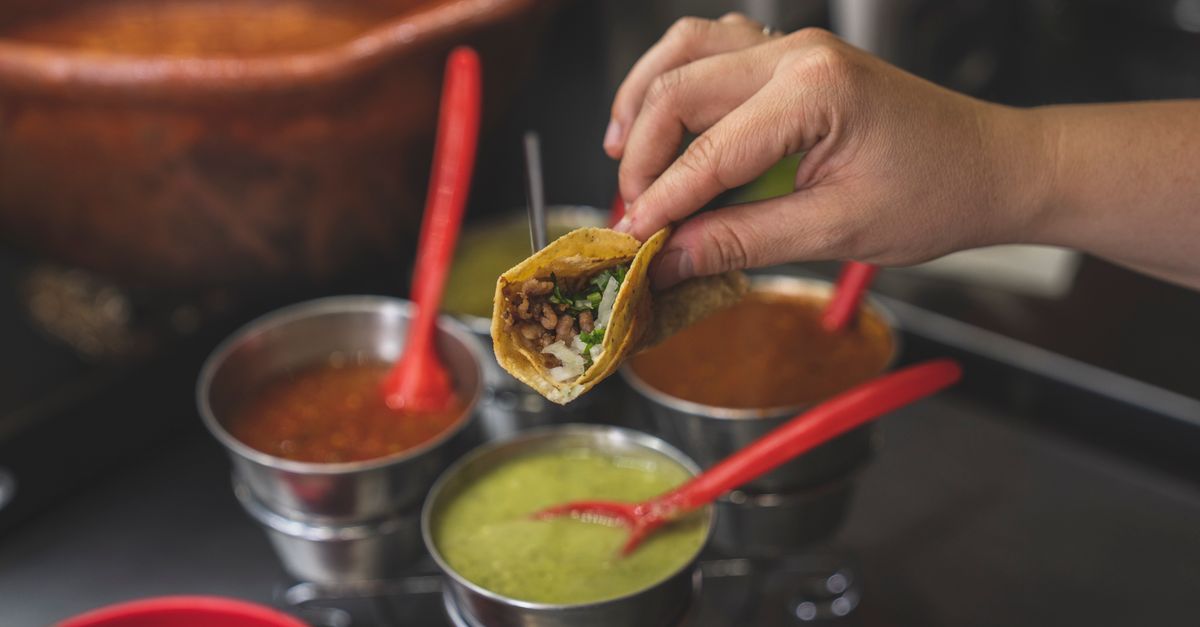
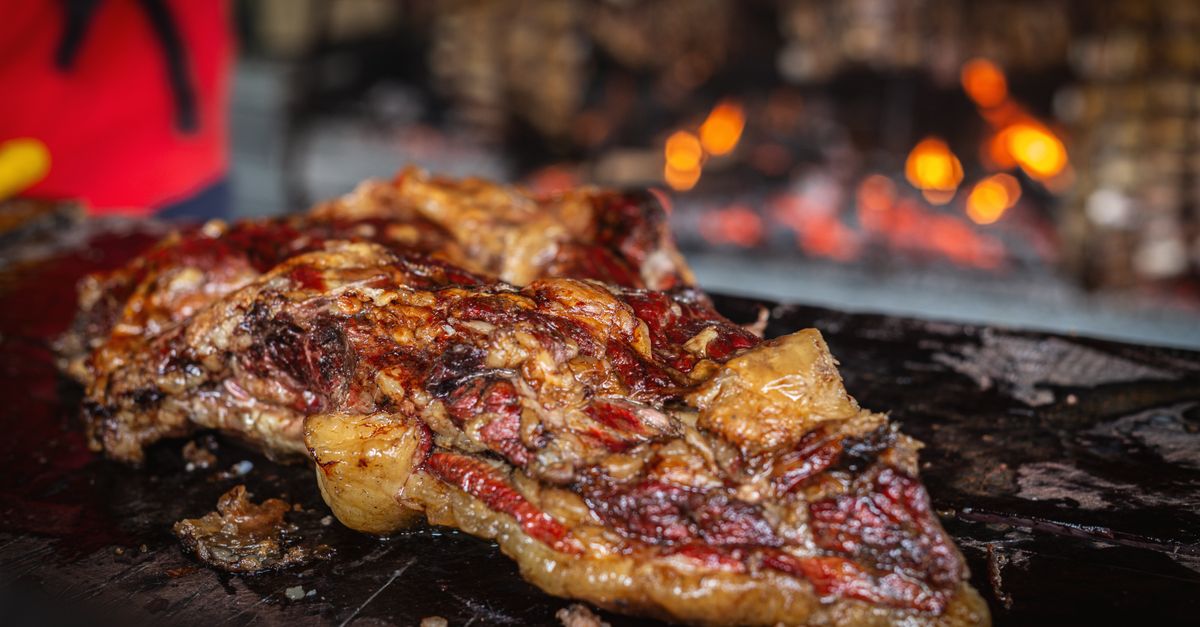
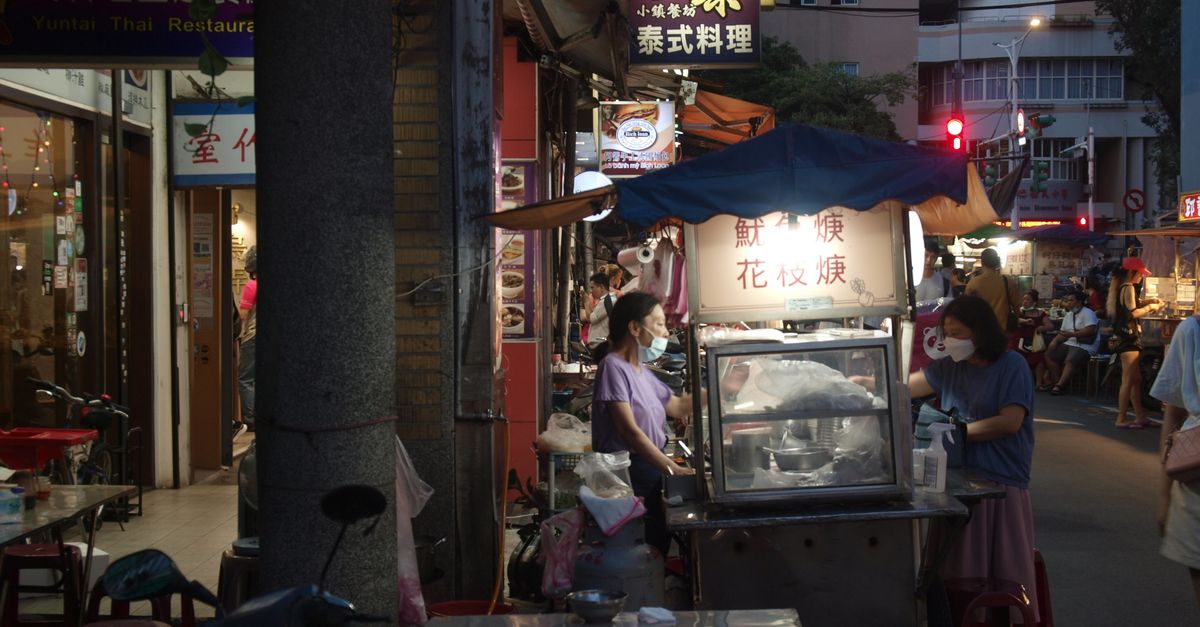
Taipei's night markets are a sensory explosion where sizzling street food meets the delicate flavors of Taiwan's tea culture. Shilin Night Market is ideal for first-time visitors seeking variety and convenience, while Raohe Night Market offers traditional flavors and a more local feel. Night markets in Taipei are essential for anyone interested in food, with the aroma of grilled meats, freshly steamed dumplings, and sweet desserts filling the air. The lively stalls offer everything from spicy stinky tofu to sweet bubble tea, creating a diverse array of flavors.
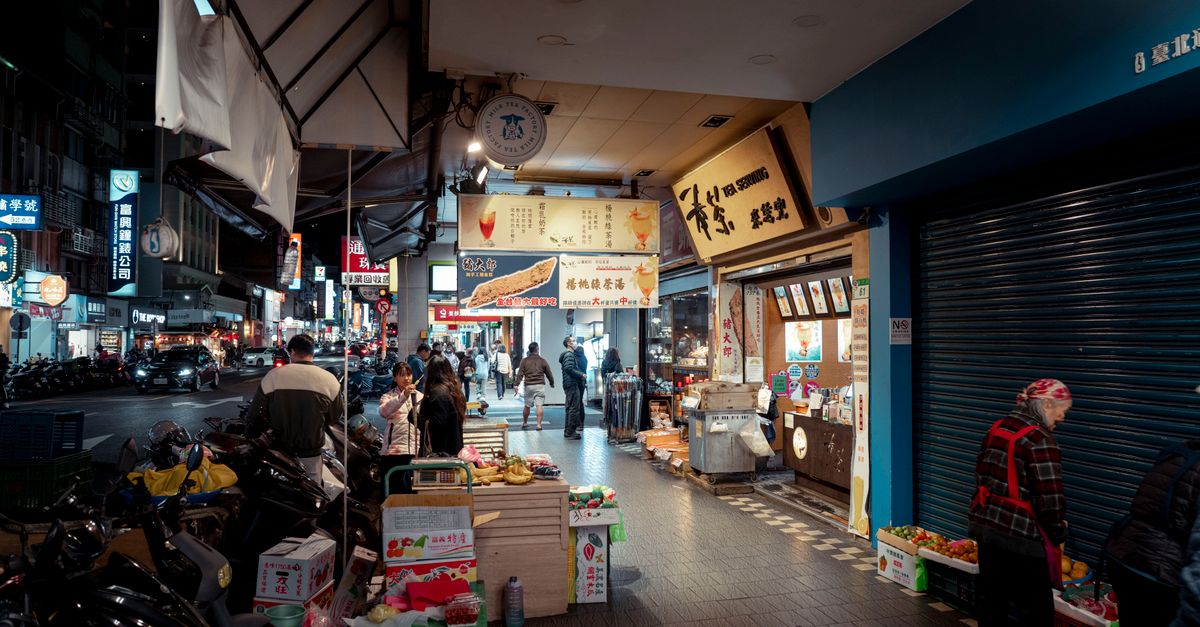
Visitors to these night markets will encounter a blend of textures and temperatures. The crispy exterior of fried chicken cutlets contrasts with the soft, chewy interior, while the icy coolness of shaved ice desserts provides a refreshing break from the warm, humid air. Accompaniments like pickled vegetables or spicy sauces enhance the flavors, and variations abound, from vegetarian options to those catering to specific dietary needs. Whether you’re looking for a quick snack or a full meal, Taipei’s night markets offer a dining experience that’s both accessible and diverse.
The Story Behind the Dish
Taipei's night markets have a history that dates back to the late 19th century, when they began as small gatherings of food vendors catering to laborers and locals. Over time, these markets evolved into sprawling hubs of social and culinary activity, reflecting Taiwan's diverse cultural influences, including Chinese, Japanese, and indigenous traditions. The night market scene is a testament to the island's ability to blend old and new, with each stall offering a piece of history through its recipes.
Tea culture in Taiwan is equally significant, tracing its roots to the Qing Dynasty. Taiwanese tea is renowned for its quality, with the island's mountainous terrain providing the perfect environment for cultivating premium oolong and green teas. Tea ceremonies in Taiwan are a refined art, emphasizing the balance of aroma, taste, and presentation. This cultural heritage is celebrated in tea houses across Taipei, where visitors can enjoy the meditative process of brewing and appreciating fine teas.
How Locals Eat It
Locals in Taipei embrace night markets as a part of their daily routine, often visiting after work or school for a quick bite or a leisurely meal with friends. The social aspect is as important as the food itself, with people gathering around stalls to chat and enjoy their favorite snacks. Popular items like beef noodle soup, oyster omelets, and grilled squid are staples, often accompanied by a cold beer or a refreshing herbal tea.
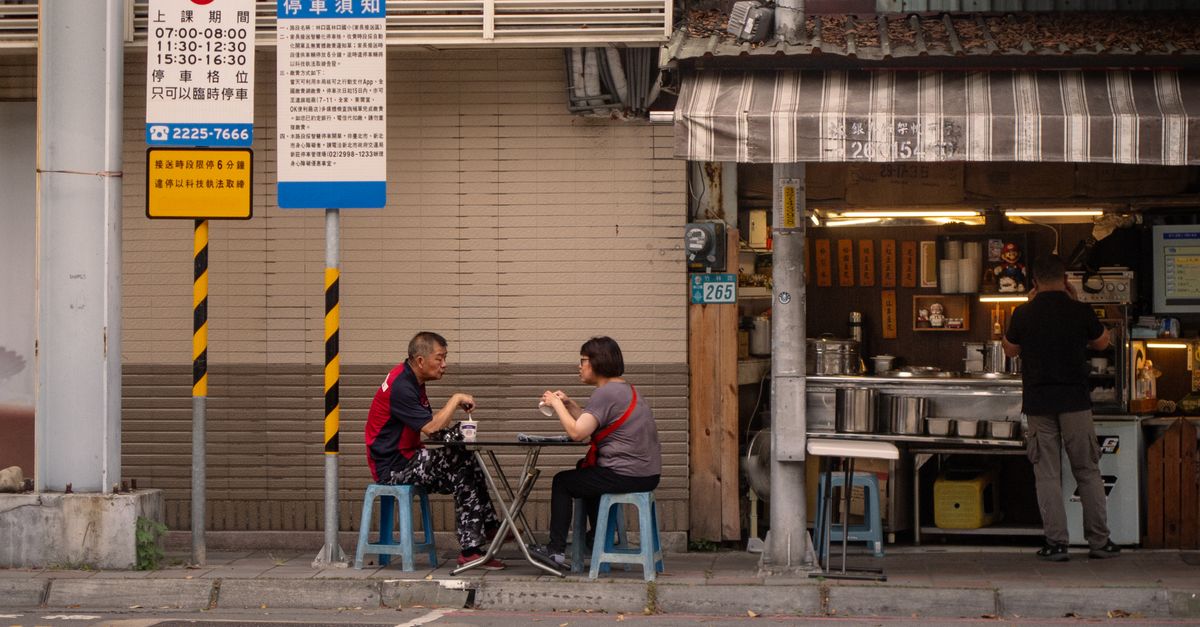
In contrast, tea culture is enjoyed more leisurely, often in the serene setting of a traditional tea house. Locals might spend hours sipping tea, engaging in conversation, or simply relaxing. Tea is typically served in small cups, allowing drinkers to appreciate the subtleties of flavor and aroma. It's common for locals to pair tea with light snacks such as pineapple cakes or mung bean pastries, which complement the tea's delicate notes.
Where to Find It
Shilin Night Market is one of the largest and most famous in Taipei, offering a wide variety of food options alongside clothing and accessories. Here, visitors can sample everything from the famous Taiwanese fried chicken to sweet potato balls. Raohe Night Market, on the other hand, is known for its more traditional offerings and attractive setting, with the well-known Ciyou Temple at its entrance. This market is perfect for those looking to try classic dishes like pepper buns and pork rib soup.
For a taste of Taiwan's tea culture, Maokong is a popular destination. Accessible by a scenic gondola ride, Maokong is home to numerous tea houses where visitors can enjoy impressive views of Taipei while sipping on high-quality oolong tea. The area is also known for its tea-infused dishes, offering a twist on traditional Taiwanese cuisine.
City vs. Countryside Flavor
The flavors of Taipei's night markets are distinctly urban, with a fast-paced energy and a wide array of choices reflecting the city's cosmopolitan nature. In the city, the focus is often on innovation and variety, with vendors constantly experimenting with new flavors and combinations to attract both locals and tourists. This results in a dynamic food scene where traditional dishes are often given a newer take.
In contrast, the countryside offers a more traditional experience, with flavors that are deeply rooted in local customs and ingredients. Here, the emphasis is on simplicity, with dishes that highlight the natural flavors of fresh produce and local meats. The countryside is where you’ll find the heart of Taiwan's tea culture, with tea plantations offering tours and tastings that provide insight into the meticulous process of tea production.
Cost, Portions, and Ordering Tips
Prices in Taipei's night markets are generally affordable, with most snacks ranging from 30 to 100 TWD. Portions are typically small, allowing visitors to try a variety of dishes without breaking the bank. It's advisable to carry cash, as many vendors do not accept credit cards. When ordering, it's helpful to know a few basic Mandarin phrases, although many vendors understand English or have menus with pictures.
In tea houses, prices can vary significantly depending on the quality of the tea and the setting. A pot of high-quality oolong tea might cost between 300 and 600 TWD, but the experience is well worth the price. Tea houses often provide detailed menus and staff are usually happy to offer recommendations based on your taste preferences.
What to Know Before You Try It
Before diving into Taipei's night markets, it's important to be aware of the crowds, especially on weekends. Arriving early can help you avoid long lines at popular stalls. Hygiene standards are generally high, but it's always wise to observe how food is prepared and choose stalls with a steady stream of local customers, as this is often a good indicator of quality and freshness.
For tea enthusiasts, understanding the different types of Taiwanese tea can enhance the experience. Oolong, green, and black teas each offer distinct flavors and aromas, with oolong being particularly prized for its complex taste. Tea houses often provide detailed descriptions of their offerings, so take the time to read through and ask questions if you're unsure.
Common Mistakes Visitors Make
One common mistake visitors make is trying to sample too many dishes at once. With so many tempting options, it's easy to overenjoy, but pacing yourself allows for a more enjoyable experience. Focus on a few key items and take your time enjoying each one.
Another mistake is overlooking the importance of tea culture in Taiwan. Many visitors focus solely on the night markets and miss out on the serene experience of a traditional tea house. Taking the time to learn about and appreciate Taiwanese tea can provide a deeper understanding of the island's cultural heritage.
Frequently Asked Questions
What are the best times to visit Taipei's night markets?
The best times to visit are typically in the evening, around 6 PM to 11 PM. This is when most stalls are open and the atmosphere is lively. Weekdays are less crowded, making them ideal for a more relaxed experience.
Are there vegetarian options available at the night markets?
Yes, many night markets offer vegetarian options. Look for stalls selling vegetable dumplings, fried tofu, or grilled corn. It's always a good idea to ask vendors about ingredients if you have dietary restrictions.
How should I prepare for a visit to a tea house in Taipei?
When visiting a tea house, it's recommended to wear comfortable clothing and allocate a few hours to fully enjoy the experience. Be open to trying different types of tea and don't hesitate to ask staff for recommendations.
Is it safe to eat street food in Taipei?
Generally, street food in Taipei is safe to eat. Vendors adhere to high hygiene standards, but it's wise to choose stalls with a high turnover of customers, as this indicates fresh ingredients and good quality.
Related Golden Horizons Guides
- Best Countries to Retire Abroad on a Budget
- Healthcare Abroad for American Retirees
- Retiring Abroad Checklist for Americans
- Visa Rules for Americans Retiring Abroad
About Golden Horizons
Golden Horizons is the retirement abroad magazine for Americans who aren’t done yet.
Final Bite
Taipei's night markets and tea culture offer a tantalizing glimpse into Taiwan's culinary diversity. From the lively energy of Shilin Night Market to the tranquil tea houses of Maokong, there's something for every palate. Whether you're sampling the bold flavors of street food or enjoying the subtle notes of oolong tea, Taipei invites you to immerse yourself in its popular food culture. Remember to pace yourself, embrace the local customs, and enjoy each moment of this dining experience.