Quick Taste
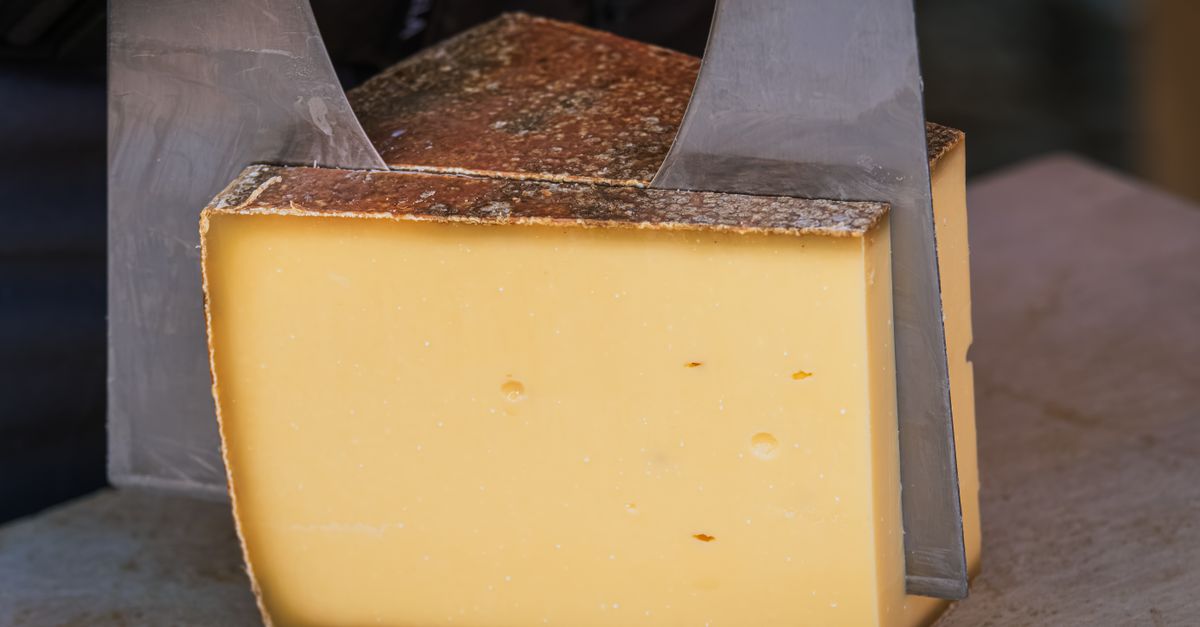
Alpine cheese in Switzerland is a cornerstone of Swiss cuisine, known for its nutty and creamy texture, while chocolate is celebrated for its smooth, rich flavor. The Swiss Alps offer a setting where these foods are enjoyed in their finest forms. For those seeking traditional flavors, the mountainous regions are ideal, while urban areas like Zurich provide more convenient access and newer versions. Mountain comfort meals, which include hearty dishes like rösti and fondue, are best experienced in the alpine villages for their traditional taste and larger portions, whereas cities offer more diverse options catering to dietary restrictions.
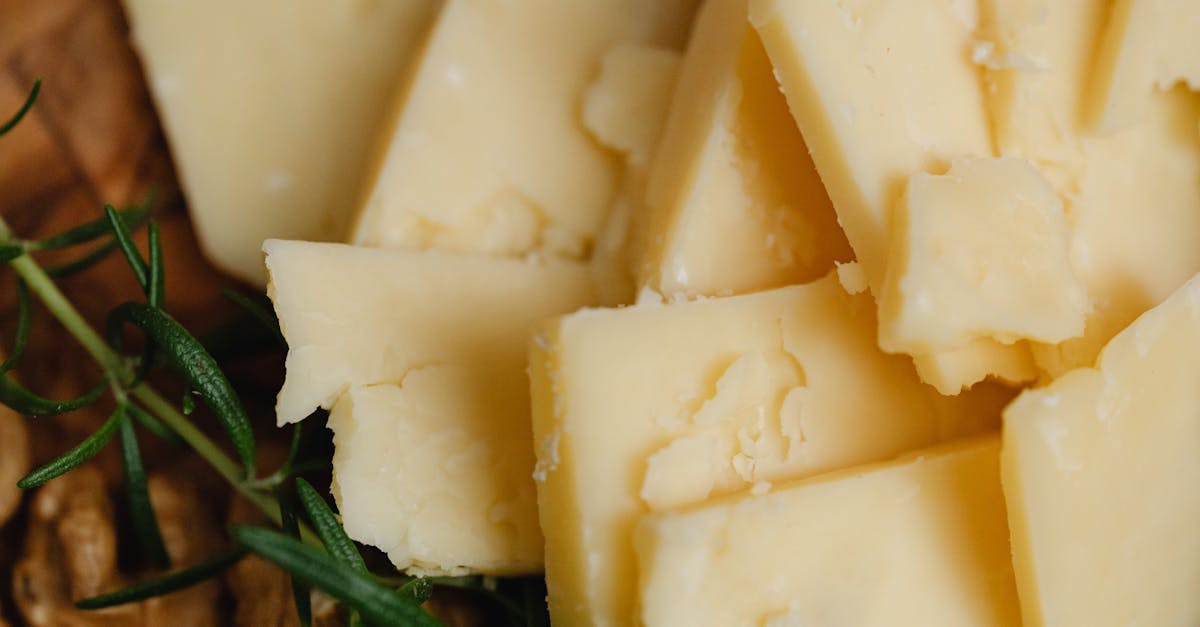
Visitors to Switzerland will find that cheese is not just a food but a cultural experience. The texture of Swiss cheese varies from the soft and creamy Raclette to the firmer Emmental, each with its distinct flavor profile. Chocolate, often paired with coffee or enjoyed on its own, provides a sweet contrast to the savory cheese. Meals in the Swiss Alps often feature these ingredients, served warm and hearty, perfect for the cooler mountain climate. Variations exist, such as cheese paired with potatoes or melted over meats, offering a comforting introduction to Swiss food traditions.
The Story Behind the Dish
Switzerland's reputation for cheese dates back centuries, with alpine cheese production being a critical part of the rural economy. The high-altitude pastures of the Alps provide ideal conditions for dairy farming, resulting in cheeses like Gruyère and Appenzeller, which are aged to perfection. These cheeses have been integral to Swiss culture, often featured in traditional dishes such as fondue and raclette, which are communal meals that bring people together.
Swiss chocolate became world-renowned in the 19th century when Swiss chocolatiers pioneered techniques like conching and milk chocolate production. Brands like Lindt and Toblerone have become synonymous with quality, and chocolate production remains a significant industry in Switzerland. The combination of high-quality ingredients and meticulous craftsmanship has ensured that Swiss chocolate maintains its esteemed reputation globally.
How Locals Eat It
In Switzerland, cheese is a staple of the diet, often consumed in dishes like fondue, where it is melted and shared among friends and family. Raclette, another popular dish, involves heating the cheese and scraping it onto potatoes, pickles, and cured meats. These meals are typically enjoyed in a cozy setting, often accompanied by a glass of local white wine.
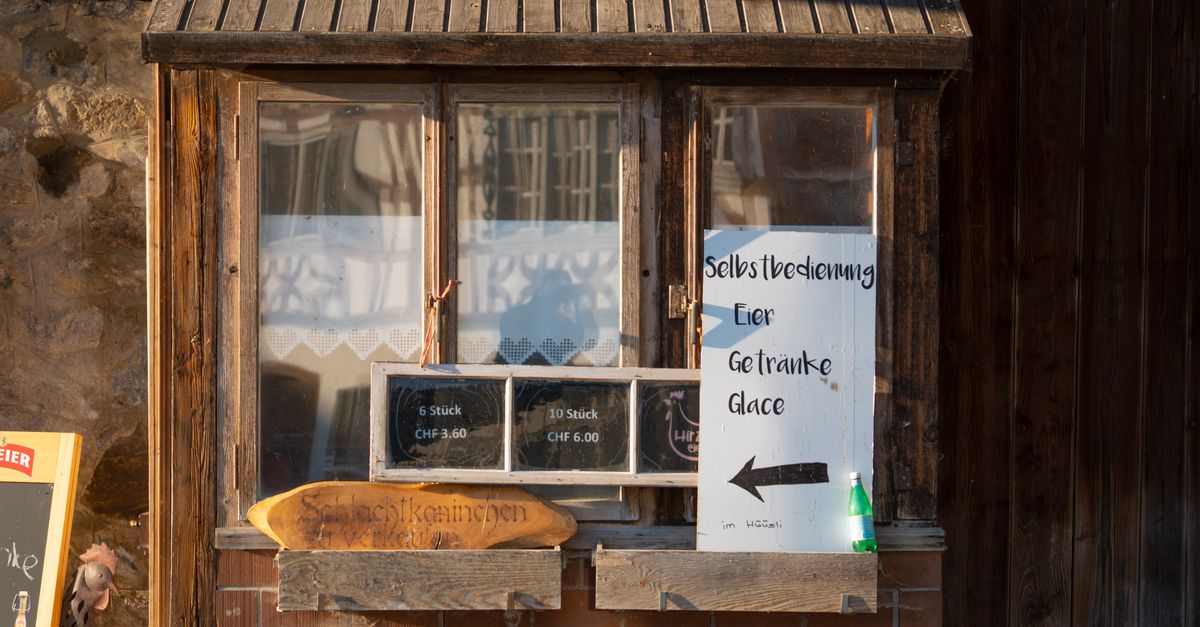
Chocolate is enjoyed in various forms, from simple bars to elaborate desserts. Locals often enjoy a piece of chocolate with their afternoon coffee or as a sweet end to a meal. In winter, hot chocolate becomes a comforting treat, often made with real Swiss chocolate for a rich and creamy beverage. The Swiss take pride in their chocolate-making traditions, and many enjoy visiting local chocolatiers to purchase freshly made confections.
Where to Find It
For an traditional taste of Swiss cheese, the alpine regions such as Gruyères and Emmental are essential visits. Here, visitors can tour cheese factories and sample products directly from the source. The towns of Montreux and Interlaken also offer numerous restaurants where traditional cheese dishes are served in a attractive alpine setting.
Chocolate lovers should head to Zurich or Geneva, where renowned chocolatiers like Sprüngli and Läderach offer exquisite selections. Many towns host chocolate festivals and workshops, providing an immersive experience into Swiss chocolate culture. Additionally, the Swiss Chocolate Train, departing from Montreux, offers a journey through the chocolate-making process, complete with tastings.
City vs. Countryside Flavor
The flavor of Swiss cheese and chocolate can vary significantly between the city and countryside. In urban areas like Zurich and Geneva, cheese dishes often incorporate international influences, offering a newer take on traditional recipes. These cities provide convenience and variety, with numerous eateries catering to diverse dietary needs and preferences.
In contrast, the countryside offers a more traditional experience. Villages like Gruyères and Appenzell maintain age-old cheese-making practices, resulting in flavors that are robust and deeply rooted in Swiss heritage. The countryside also provides an opportunity to enjoy these foods in their natural setting, surrounded by the landscapes of the Alps, enhancing the overall dining experience.
Cost, Portions, and Ordering Tips
The cost of enjoying Swiss cheese and chocolate can vary widely depending on location and establishment. In cities, expect to pay around 20 to 30 CHF for a fondue meal, while more upscale venues may charge higher prices. Portions are typically generous, designed for sharing, so it's advisable to order with a group.
In the countryside, prices may be slightly lower, and portions often reflect the hearty appetite of mountain life. When ordering, it's helpful to know the local terms for cheese dishes, such as "fondue moitié-moitié" for a mix of Gruyère and Vacherin Fribourgeois cheeses. For chocolate, purchasing directly from chocolatiers can offer better value and quality compared to tourist shops.
What to Know Before You Try It
Before trying Swiss cheese and chocolate, it's important to consider dietary restrictions. Cheese dishes are often high in dairy and may not be suitable for lactose-intolerant individuals, although some places offer lactose-free options. Chocolate, while generally gluten-free, can sometimes contain nuts or other allergens, so checking labels or asking staff is recommended.
Swiss meals are typically leisurely affairs, especially in the countryside, where dining is as much about the social experience as it is about the food. Be prepared for a relaxed pace, and take the opportunity to enjoy each bite. Additionally, it's customary to round up the bill as a tip, reflecting the quality of service and food.
Common Mistakes Visitors Make
One common mistake visitors make is underestimating the richness of Swiss cheese dishes. Fondue and raclette are filling, and it's easy to overenjoy. It's wise to pace yourself and enjoy these meals as part of a larger dining experience rather than a quick bite.
Another mistake is not exploring beyond the tourist hotspots. While cities like Zurich and Geneva offer excellent dining options, venturing into smaller towns and villages can provide a more traditional taste of Swiss cuisine. Lastly, visitors often overlook the importance of pairing cheese and chocolate with the right beverages, such as local wines or coffee, which can significantly enhance the flavors.
Frequently Asked Questions
What is the best time of year to enjoy Swiss cheese and chocolate?
The best time to enjoy Swiss cheese and chocolate is during the cooler months, from autumn to spring. The colder weather complements the warmth of cheese dishes like fondue and raclette, while hot chocolate becomes a comforting treat. However, these foods are available year-round, with summer offering the chance to enjoy them in outdoor settings.
Are there any cheese and chocolate festivals in Switzerland?
Yes, Switzerland hosts several cheese and chocolate festivals throughout the year. The Swiss Cheese Awards in Lucerne and the Salon du Chocolat in Zurich are notable events where visitors can sample a wide range of products and learn about the production processes. These festivals provide an excellent opportunity to experience the diversity of Swiss food traditions.
Can I find vegan or lactose-free options for cheese and chocolate in Switzerland?
While traditional Swiss cheese and chocolate are dairy-based, many places in urban areas offer vegan and lactose-free alternatives. Specialty shops and some restaurants in cities like Zurich and Geneva cater to dietary restrictions, providing options such as plant-based cheeses and dairy-free chocolates. It's advisable to inquire in advance to ensure availability.
How do I properly eat fondue and raclette?
For fondue, it's customary to use a long fork to dip bread into the melted cheese, ensuring it is well-coated before eating. Avoid double-dipping and use a separate fork for eating. Raclette is typically served with a special grill to melt the cheese, which is then scraped onto accompaniments like potatoes and pickles. Both dishes are communal, so sharing and enjoying the meal together is part of the experience.
Related Golden Horizons Guides
- Best Countries to Retire Abroad on a Budget
- Healthcare Abroad for American Retirees
- Retiring Abroad Checklist for Americans
- Visa Rules for Americans Retiring Abroad
About Golden Horizons
Golden Horizons is the retirement abroad magazine for Americans who aren’t done yet.
Final Bite
Switzerland's alpine cheese, chocolate, and mountain comfort meals offer a taste of the country's food heritage. Whether you're enjoying a traditional fondue in a cozy alpine chalet or indulging in a piece of fine Swiss chocolate in a lively city, these foods provide insight into Swiss culture. For those seeking an traditional experience, exploring both urban and rural settings will reveal the diverse flavors and traditions that make Swiss cuisine special. Remember to enjoy each bite and appreciate the journey through Switzerland's food landscape.