Quick Taste
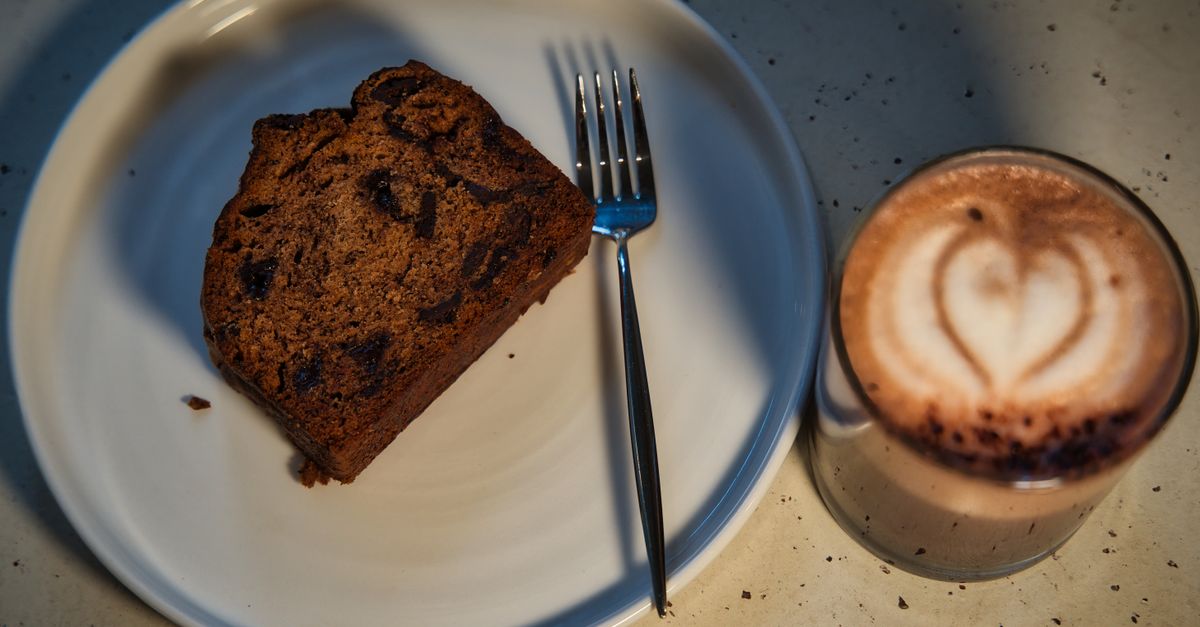
Fika in Sweden is a cultural ritual centered around coffee and cake, offering a moment of relaxation and socialization. In Stockholm, fika is better for those seeking a lively urban vibe with trendy cafes, while in Gothenburg, it is better for a more laid-back and traditional experience. The essence of fika lies in its simplicity: a warm cup of coffee paired with a sweet pastry, creating a moment to pause and connect with others.
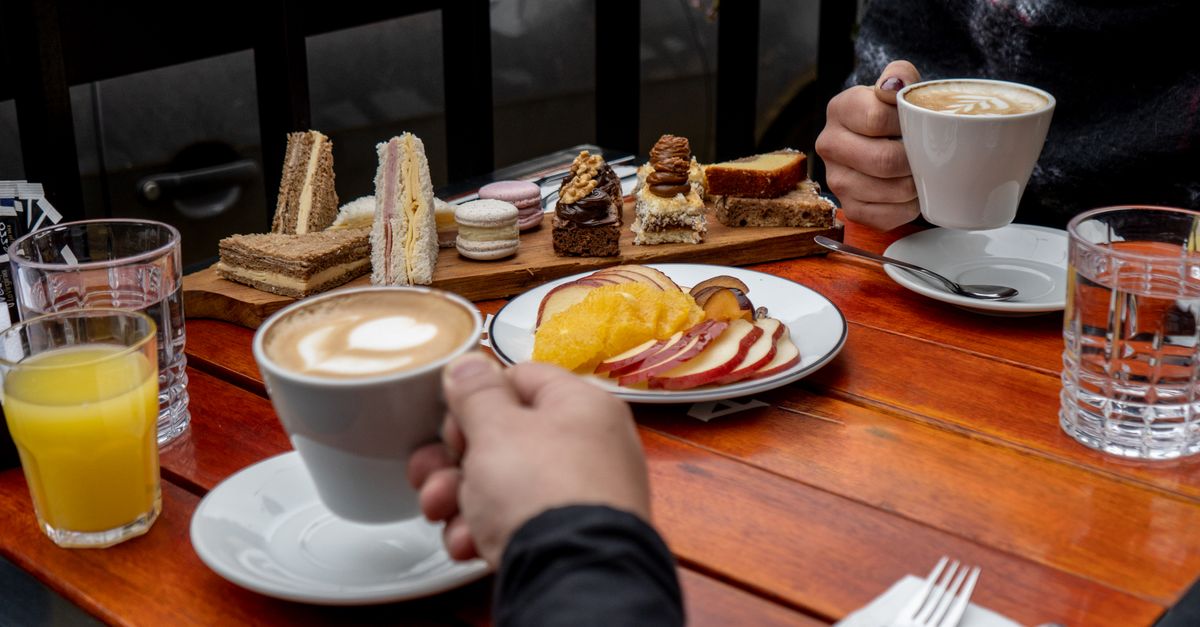
Visitors to Sweden will find fika to be an integral part of daily life, where the texture of a freshly baked cinnamon bun, known as kanelbulle, complements the robust flavor of Swedish coffee. Typically enjoyed mid-morning or mid-afternoon, fika is more than just a coffee break; it's a cherished tradition. Accompaniments can range from simple cookies to elaborate cakes, with variations like cardamom-flavored buns or seasonal fruit tarts. For first-time visitors, embracing the unhurried pace of fika can be a delightful introduction to Swedish culture.
The Story Behind the Dish
The concept of fika has deep roots in Swedish history, dating back to the 18th century. Originally derived from the Swedish word for coffee, "kaffe," the term "fika" emerged as a playful inversion of the syllables. Over time, it evolved into a social institution, embodying a philosophy of taking time to pause, reflect, and enjoy the company of others.
Fika gained prominence during the industrial era, as factory workers needed regular breaks. It became a way to foster community and camaraderie among colleagues. Today, fika is a popular tradition across Sweden, celebrated in homes, workplaces, and cafes. Its significance extends beyond the act of drinking coffee; it represents a mindful pause in the day, emphasizing the importance of work-life balance and human connection.
How Locals Eat It
In Sweden, fika is more than just a snack; it's a social ritual that locals cherish. Typically, Swedes enjoy fika with friends, family, or colleagues, often gathering in cozy cafes or inviting guests into their homes. The experience is unhurried, allowing for meaningful conversations and a break from the hustle of daily life.
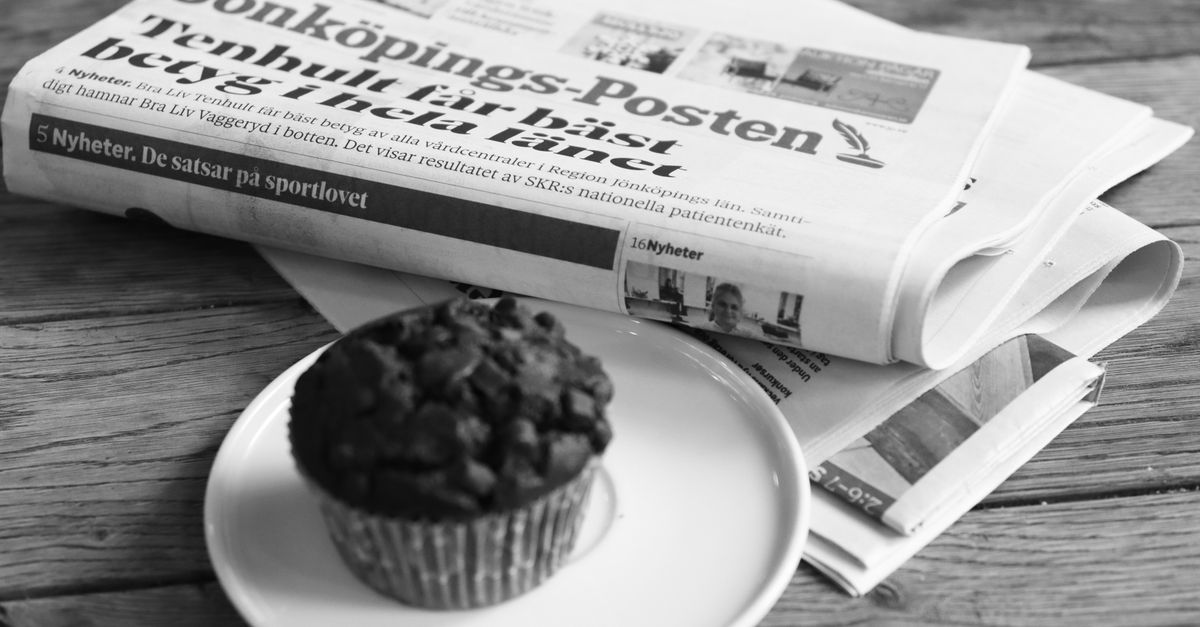
A traditional fika spread includes a pot of freshly brewed coffee, often served with milk or cream, accompanied by an array of sweet treats. Kanelbulle, with its soft, spiced dough and sugary glaze, is a staple, while other popular options include chokladbollar (chocolate balls) and småkakor (small cookies). Seasonal variations like semlor, a cream-filled bun enjoyed before Lent, also make appearances. The emphasis is on quality ingredients and homemade flavors, reflecting Sweden's appreciation for simple, yet satisfying, culinary pleasures.
Where to Find It
Fika is ubiquitous in Sweden, with cafes and bakeries offering a welcoming space to partake in this cherished tradition. In Stockholm, neighborhoods like Södermalm and Gamla Stan are renowned for their popular cafe culture, where visitors can find both contemporary and traditional fika experiences. Cafes like Vete-Katten and Café Pascal are popular choices, known for their inviting atmospheres and good pastries.

In Gothenburg, the Haga district is a must-visit for fika enthusiasts, with its pleasant cobblestone streets lined with cafes and bakeries. Café Husaren, famous for its giant kanelbullar, offers a quintessential fika experience. For those venturing into the countryside, small towns and rural areas provide a more intimate setting, where local bakeries serve homemade treats and freshly brewed coffee. Regardless of the location, fika is an integral part of Swedish life, offering a taste of the country's warm hospitality and food traditions.
City vs. Countryside Flavor
The experience of fika can vary significantly between Sweden's lively cities and its tranquil countryside. In urban areas like Stockholm and Gothenburg, fika is often enjoyed in trendy cafes that blend modern design with traditional elements. These city cafes cater to a diverse crowd, offering a wide range of pastries and coffee blends to suit different tastes. The atmosphere is lively, with patrons engaging in animated conversations or quietly enjoying their treats while people-watching.
In contrast, the countryside offers a more serene and intimate fika experience. Here, small-town bakeries and family-run cafes provide a cozy setting, where the pace is slower, and the focus is on homemade delicacies. The flavors are often more traditional, with recipes passed down through generations. Seasonal ingredients play a significant role, with local berries and fruits featuring prominently in cakes and pastries. Whether in the city or countryside, fika embodies the Swedish spirit of taking time to enjoy life's simple pleasures.
Cost, Portions, and Ordering Tips
Fika in Sweden is an accessible enjoynce, with prices varying depending on the location and setting. In city cafes, a typical fika, consisting of a coffee and pastry, can range from 50 to 100 SEK. In smaller towns or countryside cafes, prices may be slightly lower, reflecting the local economy. Portions are generally generous, with pastries like kanelbulle large enough to share, though many choose to savor one on their own.
When ordering fika, it's customary to start with a coffee, which can be black or with milk, and then select a pastry from the display. Many cafes offer a "fika special," a combination of coffee and a pastry at a set price. It's worth asking about seasonal offerings, as these can provide a unique taste of Swedish flavors. For those with dietary restrictions, many establishments offer gluten-free and vegan options, ensuring everyone can partake in this popular tradition.
What to Know Before You Try It
Before diving into the world of fika, it's helpful to understand its cultural significance in Sweden. Fika is not just about the food and drink; it's about taking a break and connecting with others. As such, it's important to approach it with an open mind and a willingness to engage in conversation. Swedes value this time as a moment of relaxation and socialization, so it's common to see people lingering over their coffee and pastries.
It's also important to note that while fika is a daily ritual for many Swedes, it's not typically rushed. Allow yourself the time to fully enjoy the experience, whether you're in a lively city cafe or a quiet countryside bakery. Lastly, while English is widely spoken in Sweden, learning a few basic phrases in Swedish can enhance your fika experience, as locals appreciate the effort to engage with their culture.
Common Mistakes Visitors Make
One common mistake visitors make is treating fika as just a quick coffee break. In Sweden, fika is a cherished tradition that involves taking time to relax and enjoy the moment. Rushing through it can detract from the experience and may be seen as disrespectful to the cultural practice.
Another mistake is underestimating the portion sizes. Swedish pastries are often larger than those found in other countries, and it's not uncommon for visitors to order more than they can comfortably consume. It's advisable to start with one pastry and order more if needed. Additionally, some visitors may overlook the importance of conversation during fika. Engaging with others is a key aspect of the tradition, so be prepared to chat and connect with fellow patrons.
Frequently Asked Questions
What is the best time of day to enjoy fika in Sweden?
Fika is traditionally enjoyed mid-morning or mid-afternoon, providing a break between meals. However, there is no strict rule, and Swedes often partake in fika whenever they feel the need for a pause and a treat. It's common to see cafes lively with fika-goers throughout the day.
Are there any dietary-friendly options available during fika?
Yes, many cafes in Sweden offer dietary-friendly options, including gluten-free and vegan pastries. It's always a good idea to ask the staff about available options, as they are usually accommodating and happy to help you find something suitable.
Can I experience fika outside of a cafe setting?
Absolutely! Fika can be enjoyed anywhere, from the comfort of your home to a scenic park. Many Swedes prepare their own coffee and pastries for a picnic-style fika, especially during the warmer months. It's all about taking a moment to relax and enjoy the company of others, regardless of the setting.
How do I order fika in a Swedish cafe?
When ordering fika, start by selecting your coffee, which can be black or with milk. Then, choose a pastry from the display. Many cafes offer a "fika special," which includes a coffee and pastry at a set price. Don't hesitate to ask the staff for recommendations or inquire about seasonal specialties.
Related Golden Horizons Guides
- Best Countries to Retire Abroad on a Budget
- Healthcare Abroad for American Retirees
- Retiring Abroad Checklist for Americans
- Visa Rules for Americans Retiring Abroad
About Golden Horizons
Golden Horizons is the retirement abroad magazine for Americans who aren’t done yet.
Final Bite
Fika is more than just a coffee break in Sweden; it's a cherished cultural tradition that embodies the essence of taking time to enjoy life's simple pleasures. Whether you're enjoying a cinnamon bun in a lively Stockholm cafe or enjoying a homemade pastry in the serene Swedish countryside, fika offers a unique insight into the Swedish way of life. For visitors, embracing fika means embracing a slower pace, fostering connections, and appreciating the art of relaxation. So, the next time you find yourself in Sweden, take a moment to pause, sip your coffee, and enjoy the sweet joy of fika.