Quick Taste
Hawker center foods in Singapore offer an affordable and exciting dining experience with a diverse array of flavors and textures, and Maxwell Food Centre is better for traditional tastes while Lau Pa Sat is better for a lively atmosphere. These lively centers are a cornerstone of Singaporean food culture, providing a melting pot of culinary delights that cater to every palate. From the savory richness of Hainanese chicken rice to the spicy zest of laksa, hawker centers are where you can enjoy traditional local dishes without breaking the bank.
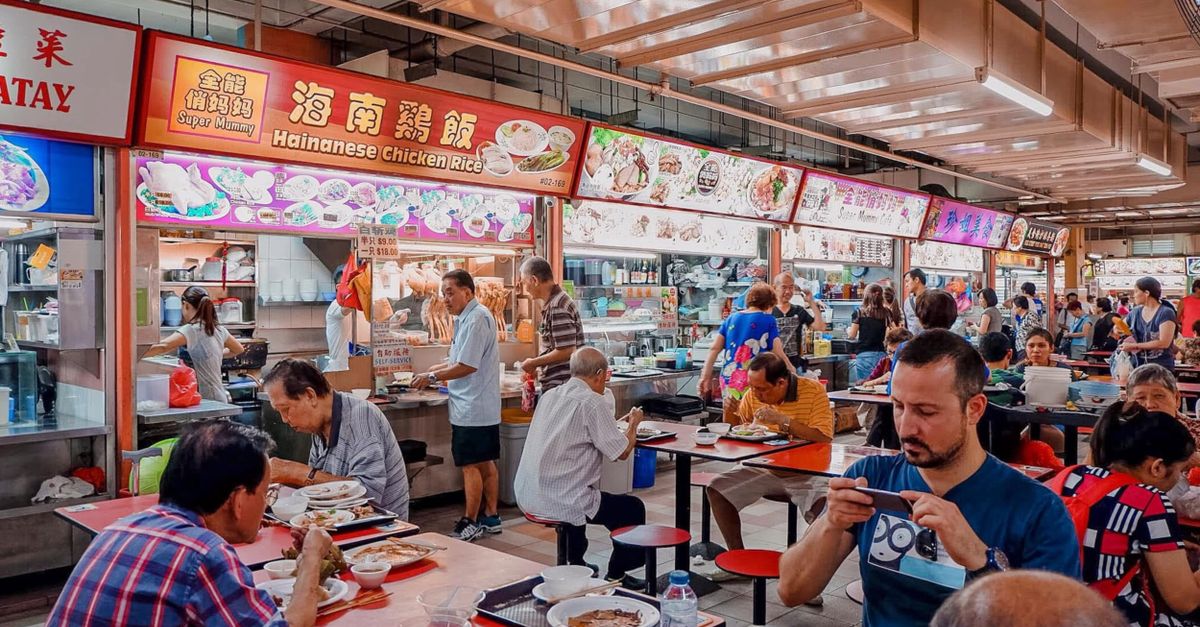
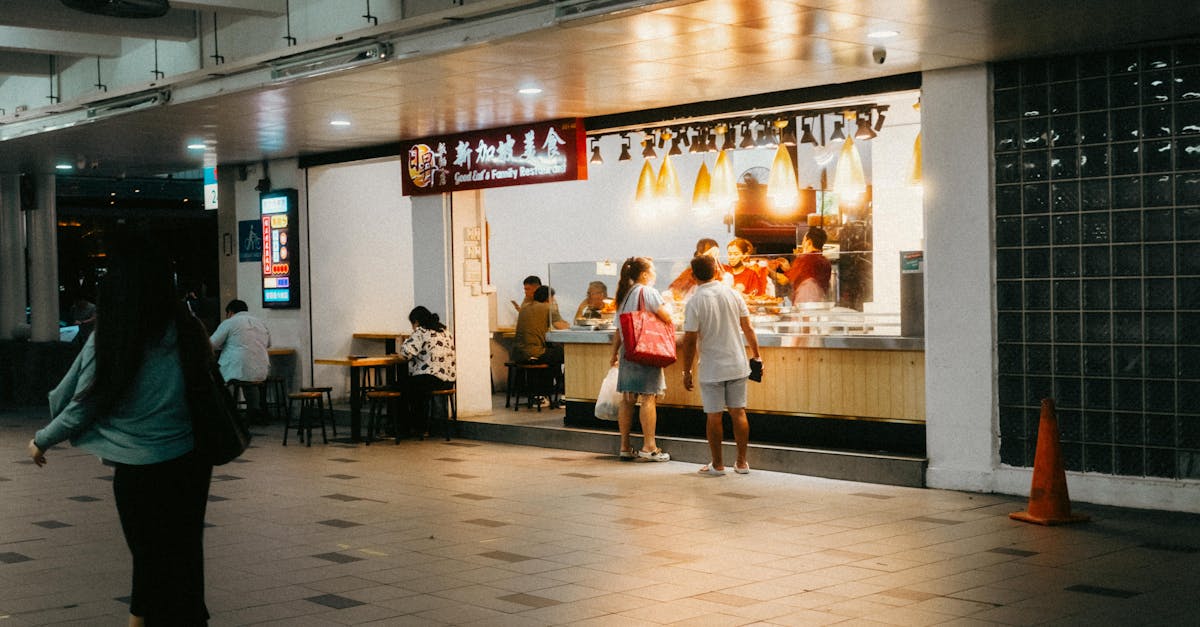
Visitors will encounter a popular scene where the air is filled with the aromas of sizzling satay, char kway teow, and freshly steamed dim sum. Each stall specializes in its own offerings, often passed down through generations. Expect to find dishes served hot and fresh, with a variety of sauces and condiments to customize your meal. The texture of a perfectly crispy roti prata or the smooth, silky broth of a bowl of fishball noodles are just a few examples of what awaits. Whether you're a first-time visitor or a seasoned traveler, hawker centers provide a sensory feast that reflects the multicultural tapestry of Singapore.
The Story Behind the Dish
Hawker centers have a rich history in Singapore, emerging as a solution to the street food vendors who once lined the city streets. In the 1960s, the government organized these vendors into centralized locations, creating a more hygienic and regulated environment for both sellers and consumers. This move not only improved public health standards but also preserved the food traditions that are now a vital part of Singapore's cultural identity.
Each dish at a hawker center tells a story of its origins and the people who brought it to life. Hainanese chicken rice, for instance, was introduced by Chinese immigrants from Hainan province, who adapted their traditional recipes to local ingredients. Similarly, laksa, with its spicy coconut milk base, reflects the Peranakan culture, a fusion of Chinese and Malay influences. These dishes have evolved over time, with each stall adding its own twist, making hawker centers a living museum of Singapore's food heritage.
How Locals Eat It
Locals in Singapore have mastered the art of navigating hawker centers, often knowing exactly which stalls offer the best versions of their favorite dishes. It's common to see people queuing patiently at popular stalls, as they believe that the longer the line, the better the food. Sharing tables with strangers is a norm, fostering a sense of community and camaraderie among diners.

A typical meal at a hawker center might start with a plate of char kway teow, a stir-fried noodle dish with prawns, Chinese sausage, and cockles, finished with a dash of lime. For a refreshing contrast, locals often pair their meals with a glass of sugarcane juice or bandung, a rose syrup drink mixed with milk. Dessert might include a serving of chendol, a sweet concoction of shaved ice, coconut milk, and palm sugar, topped with green jelly noodles. The diverse offerings and communal dining style make hawker centers an integral part of daily life in Singapore.
Where to Find It
Singapore is home to numerous hawker centers, each with its own character and specialties. Maxwell Food Centre, located in the Chinatown district, is renowned for its Hainanese chicken rice and Tian Tian Hainanese Chicken Rice stall, which has garnered international acclaim. Here, you can also find other favorites like oyster omelette and fish head curry.

Lau Pa Sat, situated in the heart of the financial district, offers a different vibe with its historic architecture and lively satay street that comes alive in the evenings. For those seeking a more local experience, Old Airport Road Food Centre is a treasure trove of traditional dishes, including prawn noodles and rojak. No matter where you go, each hawker center promises a dining experience that reflects the diverse flavors of Singapore.
City vs. Countryside Flavor
In Singapore, the distinction between city and countryside flavors is subtle but significant. City hawker centers, such as those in the lively areas of Chinatown and the Central Business District, tend to offer a wide variety of dishes that cater to both locals and tourists. These centers often feature more experimental and fusion dishes, reflecting the cosmopolitan nature of the city.
In contrast, hawker centers located in the heartlands, such as those in Bedok or Tampines, focus more on traditional flavors that appeal to local residents. Here, you'll find dishes that have been perfected over decades, with recipes that remain unchanged. The portions are often more generous, and the prices slightly lower, making them a favorite among families and long-time residents. Whether you prefer the innovative offerings of city centers or the comforting classics of the heartlands, Singapore's hawker centers have something for everyone.
Cost, Portions, and Ordering Tips
Dining at a hawker center in Singapore is not only affordable but also offers excellent value for money. Most dishes are priced between SGD 3 to SGD 8, making it easy to sample a variety of foods without overspending. Portions are generally generous, with many stalls offering additional toppings or sides for a small extra charge.
When ordering, it's helpful to know that most hawker centers operate on a self-service basis. After placing your order, you'll receive a buzzer or a number, and you'll need to collect your food when it's ready. It's also a good idea to carry some cash, as not all stalls accept credit cards. To get the best experience, try visiting during off-peak hours to avoid long queues and secure a comfortable spot to enjoy your meal.
What to Know Before You Try It
Before diving into the hawker center experience, there are a few things to keep in mind. Hygiene is a priority in Singapore, and hawker centers are regularly inspected to ensure they meet health standards. However, it's always wise to observe the cleanliness of a stall and its surroundings before ordering. Look for stalls with visible ratings, as these indicate their hygiene and quality level.
It's also important to be mindful of dietary restrictions, as many dishes contain ingredients like shellfish, peanuts, and gluten. Don't hesitate to ask the stall owner about the ingredients used in a dish if you have allergies or specific dietary needs. Finally, be prepared for the lively atmosphere, as hawker centers can be noisy and crowded, especially during peak meal times. Embrace the hustle and bustle, and you'll find it adds to the charm of the experience.
Common Mistakes Visitors Make
One common mistake visitors make is not exploring beyond the first few stalls they encounter. It's easy to be overwhelmed by the sheer number of options, but taking the time to walk around and see what's available can lead to finding new favorites. Another mistake is not being adventurous enough with food choices. While it's tempting to stick to familiar dishes, trying something new can be a rewarding experience.
Visitors often underestimate the spice levels in some dishes, such as laksa or sambal stingray. If you're sensitive to spice, it's best to ask for a milder version or have a cooling drink on hand. Additionally, many visitors forget to return their trays and utensils after eating, which is considered good etiquette in Singapore. Most hawker centers have designated tray return stations, and using them helps maintain the cleanliness and efficiency of the dining area.
Frequently Asked Questions
What is the best time to visit a hawker center?
The best time to visit a hawker center is during off-peak hours, typically between 10:00 AM to 11:30 AM or 3:00 PM to 5:00 PM. This way, you can avoid the lunch and dinner crowds, enjoy shorter wait times, and have a more relaxed dining experience.
Can I find vegetarian options at hawker centers?
Yes, many hawker centers offer vegetarian options. Look for stalls that specialize in Indian or Chinese vegetarian cuisine, where you can find dishes like vegetarian biryani, mock meat dishes, and tofu-based meals. It's always a good idea to ask the stall owner about vegetarian options.
Are hawker center foods safe to eat?
Hawker center foods in Singapore are generally safe to eat, as the stalls are regularly inspected for hygiene and cleanliness. However, it's wise to choose stalls with visible hygiene ratings and observe the cleanliness of the area before ordering.
How do I pay at a hawker center?
Most hawker centers in Singapore operate on a cash basis, so it's advisable to carry some cash with you. Some stalls may accept contactless payment methods, but it's best to have cash on hand to avoid any inconvenience.
Related Golden Horizons Guides
- Best Countries to Retire Abroad on a Budget
- Healthcare Abroad for American Retirees
- Retiring Abroad Checklist for Americans
- Visa Rules for Americans Retiring Abroad
About Golden Horizons
Golden Horizons is the retirement abroad magazine for Americans who aren’t done yet.
Final Bite
Singapore's hawker centers are more than just a place to eat; they are a popular reflection of the city's diverse culture and history. Offering a wide range of affordable dishes, these centers provide an opportunity to experience the flavors of Singapore in a lively and communal setting. Whether you're a local or a visitor, the experience of dining at a hawker center is one that should not be missed. With a little curiosity and an open mind, you'll find out why these centers are a cherished part of Singaporean life.