Quick Taste
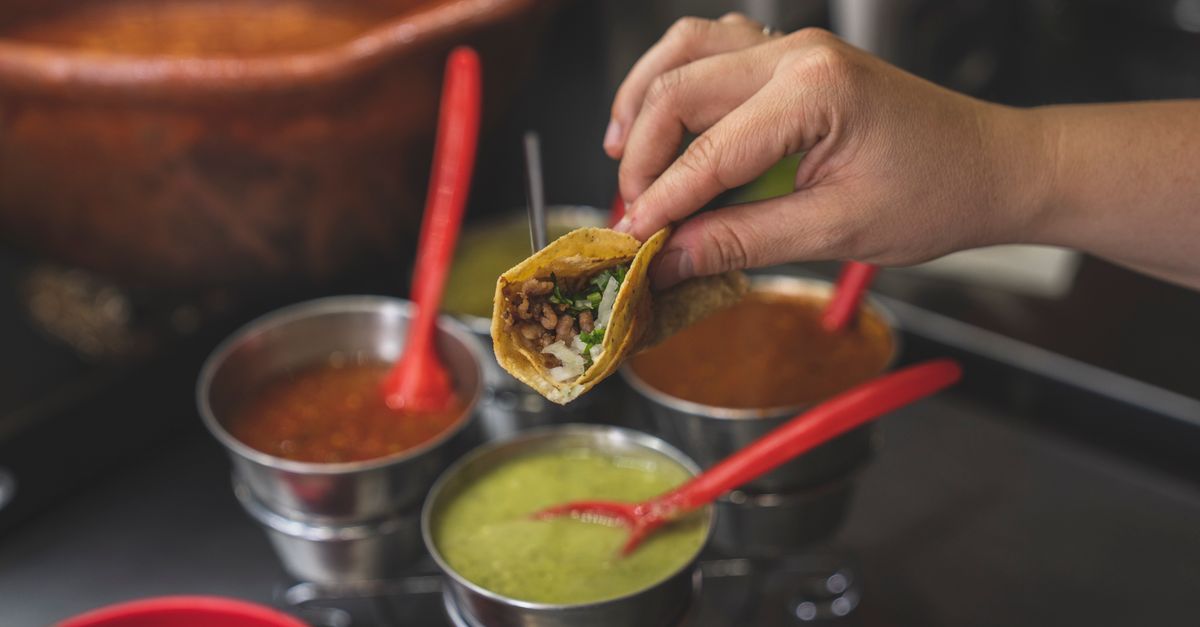
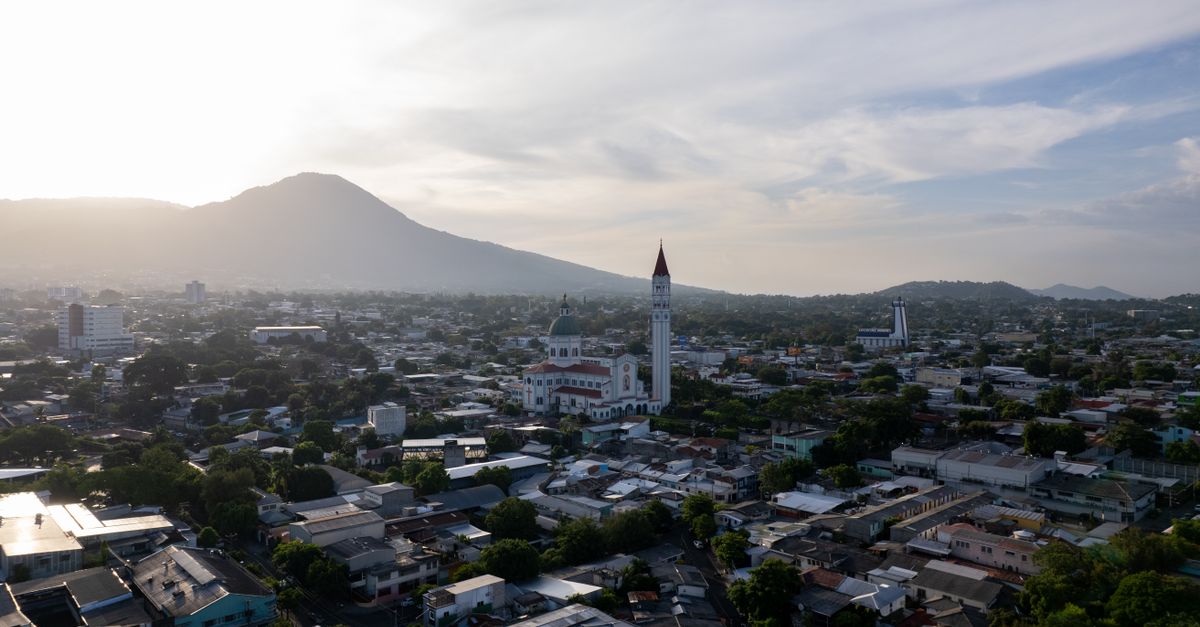
As the sun rises over San Salvador, the aroma of freshly griddled pupusas fills the air at a lively street stall, where locals gather for breakfast. These thick, stuffed corn cakes are a staple of Salvadoran cuisine, offering a warm, comforting bite that combines the earthy sweetness of masa with savory fillings like cheese, beans, or pork. Accompanied by a tangy curtido—a pickled cabbage slaw—and a drizzle of tomato salsa, pupusas are a hearty meal that costs between $1.50 to $3 each. For those considering a longer stay in El Salvador, pupusas are more than just a meal; they're a taste of daily life.
The Story Behind the Dish
Pupusas have a history that dates back centuries, with origins in the indigenous Pipil people of El Salvador. Traditionally made with maize, the dish has evolved over time, incorporating various fillings and flavors to suit modern tastes. Pupusas were once a home-cooked specialty, but their popularity has spread, making them a cherished street food across the country. Their significance goes beyond just sustenance; pupusas are a symbol of Salvadoran identity and pride, often enjoyed during family gatherings and national celebrations.
How Locals Eat It
In San Salvador, pupusas are typically enjoyed as a breakfast or dinner staple. Locals gather at pupuserías, small eateries specializing in these corn cakes, where the atmosphere is lively and communal. Eating pupusas is a hands-on experience; locals often tear them apart with their fingers, enjoying each bite with a spoonful of curtido and salsa. You might notice Salvadorans pairing their pupusas with a cup of atol, a warm corn-based drink, especially during cooler months. This combination not only fills the stomach but also warms the soul.
Where to Find It
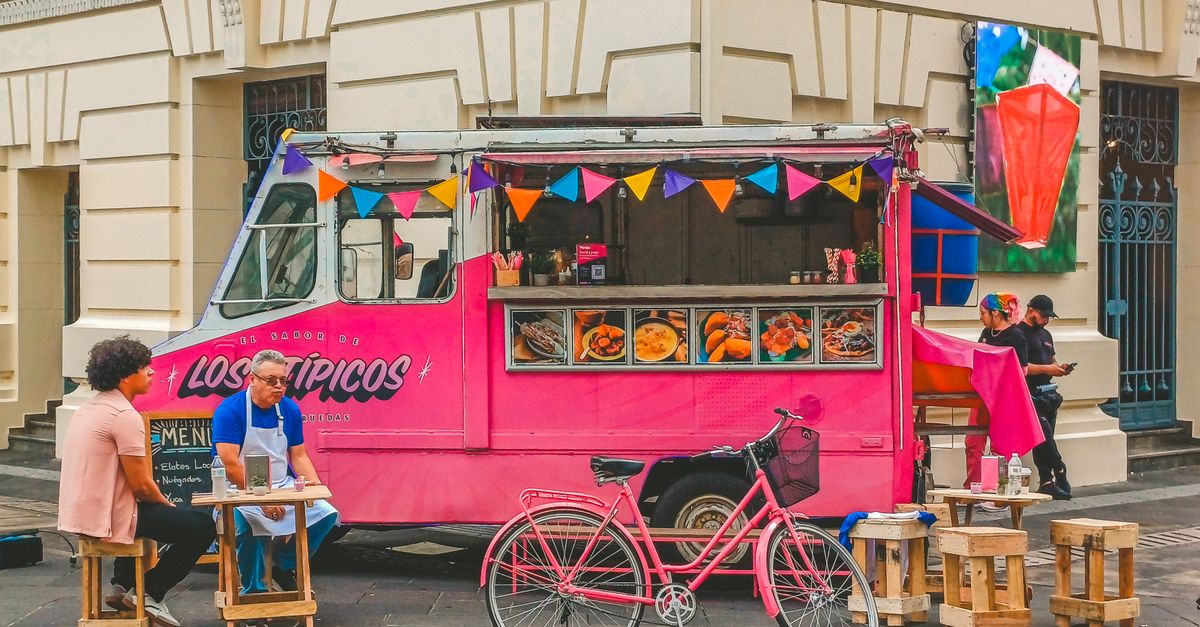
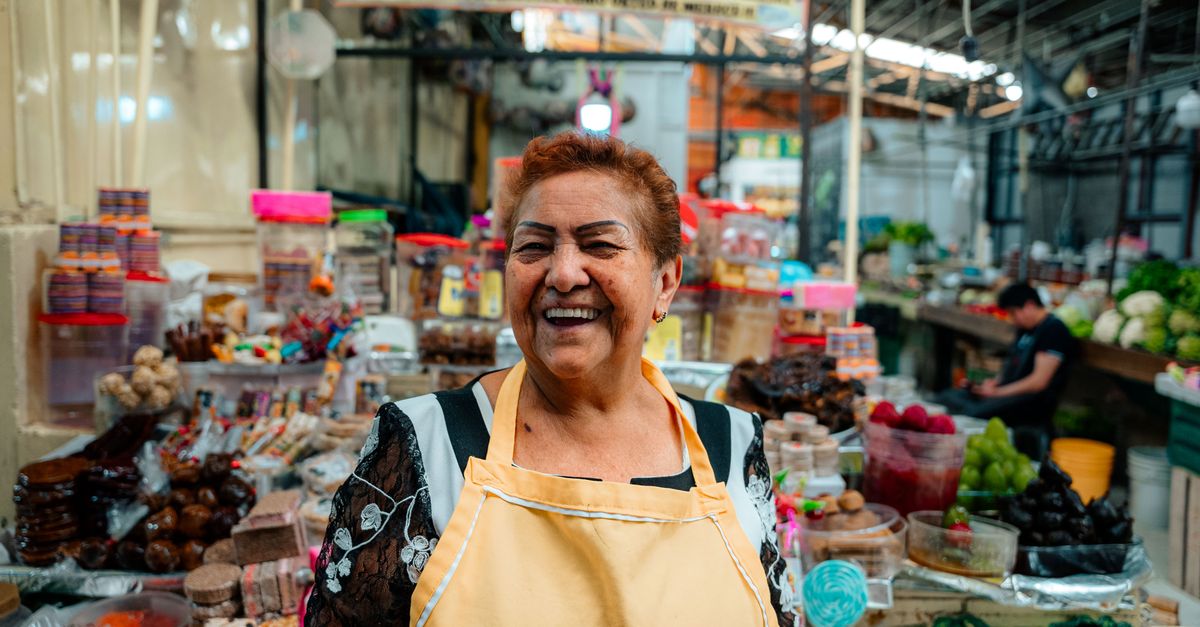
To experience pupusas like a local, head to the markets and street corners of San Salvador. The Mercado Central is a great starting point, where vendors serve up freshly made pupusas alongside other local specialties. For a more neighborhood feel, explore the pupuserías in Colonia Escalón or Santa Tecla. These areas offer a more genuine experience, often at lower prices than tourist-heavy zones. If you're planning an extended stay, consider visiting a local grocery store to buy masa harina and try making pupusas at home.
Regional Variations
While pupusas are a national dish, regional variations do exist. In the eastern part of El Salvador, you'll find pupusas de arroz, made with rice flour instead of corn. This variation offers a slightly different texture, appealing to those who prefer a lighter bite. In coastal areas, seafood fillings like shrimp or fish are popular, adding a different twist to the traditional recipe. No matter where you are in El Salvador, each region adds its own flair to the dish, reflecting local tastes and ingredients.
Cost, Portions, and Ordering Tips
Pupusas are an affordable meal option, with prices ranging from $1.50 to $3 each. A typical serving consists of two to three pupusas, making it a filling meal for under $10. When ordering, don't hesitate to ask for a mix of fillings to experience different flavors. Cheese and loroco, a native flower bud, is a popular choice among locals. If you're dining in a neighborhood pupusería, you'll likely find that prices are lower and portions are more generous compared to tourist areas.
What to Know Before You Try It
Before diving into your first pupusa, there are a few things to keep in mind. Eating with your hands is customary, so don't be shy about getting a little messy. The curtido and salsa are essential accompaniments, adding a refreshing and spicy contrast to the richness of the pupusa. If you have dietary restrictions, note that many pupuserías offer vegetarian options, though cross-contamination can occur. Lastly, pupusas are best enjoyed fresh off the griddle, so savor them while they're hot.
Common Mistakes Visitors Make
One common mistake visitors make is underestimating the filling nature of pupusas. It's easy to order too many, but remember that two to three are usually sufficient for a meal. Another pitfall is skipping the curtido and salsa, which are integral to the full pupusa experience. Some tourists might also gravitate towards more touristy areas for convenience, missing out on the genuine taste and lower prices found in local neighborhoods. Finally, don't rush through your meal; take the time to enjoy the communal atmosphere that pupusas often bring.
Frequently Asked Questions
What are the most common pupusa fillings?
The most common pupusa fillings include cheese (quesillo), refried beans, and chicharrón (pork). Other popular options are loroco, a local flower bud, and ayote, a type of squash.
Are pupusas gluten-free?
Traditional pupusas made with corn masa are gluten-free. However, if you have a severe gluten sensitivity, it's best to confirm with the vendor as cross-contamination can occur.
Can I find pupusas outside of El Salvador?
Yes, pupusas are popular in Salvadoran communities around the world, particularly in the United States. Cities like Los Angeles and Washington, D.C., have a popular pupusa scene.
What is the best time to eat pupusas?
Pupusas are enjoyed throughout the day but are most commonly eaten for breakfast or dinner. Many pupuserías open early in the morning and stay open late into the evening.
Related Golden Horizons Guides
- Best Countries to Retire Abroad on a Budget
- Healthcare Abroad for American Retirees
- Retiring Abroad Checklist for Americans
- Visa Rules for Americans Retiring Abroad
About Golden Horizons
Golden Horizons is the retirement abroad magazine for Americans who aren't done yet.
Final Bite
Pupusas offer a delicious glimpse into the everyday life of San Salvador, where food and community go hand in hand. For those considering a longer stay, sampling pupusas in local neighborhoods provides a genuine taste of Salvadoran culture. Whether you're planning a short visit or contemplating retirement abroad, experiencing the warmth and flavor of pupusas is essential before making any decisions.