Quick Taste
Imagine sitting at a cozy family table in Ljubljana, where a freshly baked potica, Slovenia's walnut roll, awaits. This spiral-shaped pastry is filled with a nutty mixture of ground walnuts, sugar, and spices, creating a sweet, slightly crunchy texture that melts in your mouth. Typically served at room temperature, potica is a staple of Slovenian Sunday gatherings and festive occasions. A slice of this pastry might cost you EUR 2-3 (about $2-3.50) at a local bakery, making it an accessible treat for those looking to immerse themselves in Slovenian culture and cuisine.

The Story Behind the Dish
Potica has deep roots in Slovenian history, with its origins tracing back to the 16th century. Traditionally, it was a dish reserved for special occasions and holidays, symbolizing prosperity and family unity. Over the years, potica has become a symbol of Slovenian food heritage, with each family often having its own secret recipe passed down through generations. The walnut filling is the most popular, but variations with poppy seeds, tarragon, or even chocolate exist, reflecting the diverse tastes and creativity within Slovenian households.
How Locals Eat It
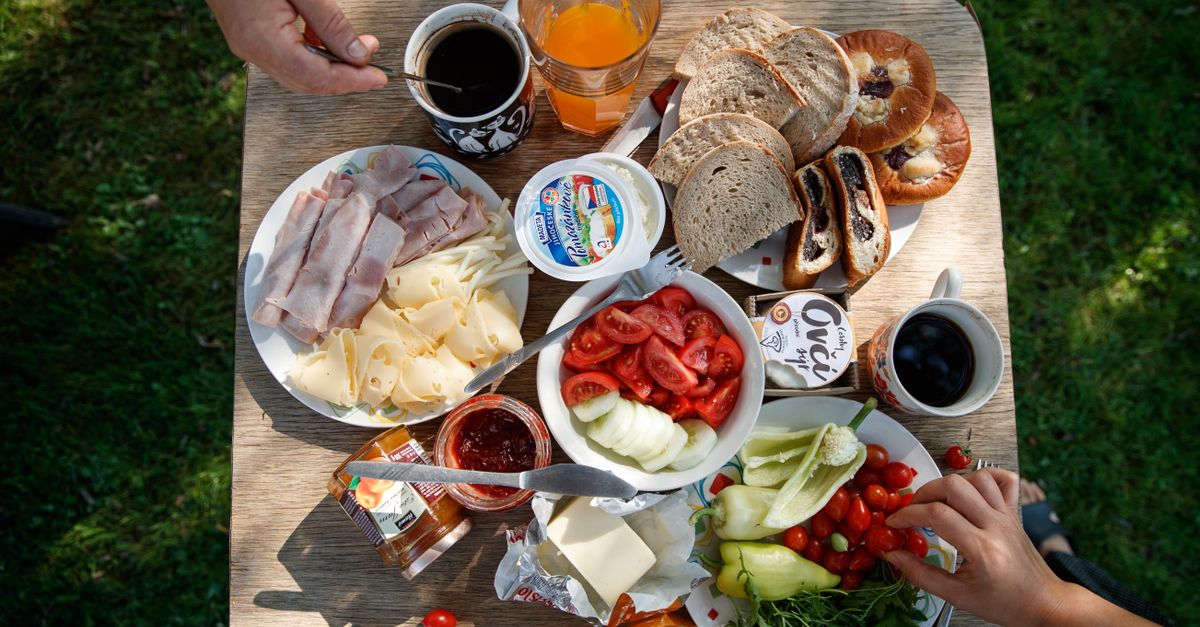
In Slovenia, potica is more than just a dessert; it's a cultural ritual. Locals typically enjoy it during Sunday family lunches or festive gatherings, accompanied by a cup of coffee or tea. It's common to see potica served on a beautifully set table, sliced into neat spirals that showcase its intricate layers. For Slovenians, sharing potica is a way to connect with loved ones and celebrate life's special moments. While tourists might find it in cafes or bakeries, the true potica experience is at a family gathering, where the pastry is made with love and tradition.
Where to Find It
You can find potica in bakeries and cafes throughout Slovenia, especially in cities like Ljubljana and Maribor. The Central Market in Ljubljana is a great place to start, where local vendors sell freshly baked potica alongside other traditional Slovenian pastries. For a more traditional experience, consider visiting smaller towns or villages, where local bakeries often have their own unique twists on the classic recipe. If you're planning to spend extended time in Slovenia, exploring these local markets and bakeries can give you a deeper appreciation for the country's food traditions.
Regional Variations
While walnut is the most common filling, potica's versatility allows for a variety of regional variations. In the coastal region of Primorska, you might find potica with a savory twist, using ingredients like olives or cheese. In the Gorenjska region, it's not uncommon to encounter a potica filled with tarragon, offering a unique herbal flavor. Each region's version reflects local ingredients and tastes, providing a delicious way to explore Slovenia's diverse food landscape. These variations highlight the adaptability of potica and its ability to bring people together through shared dining experiences.
Cost, Portions, and Ordering Tips
When purchasing potica, expect to pay around EUR 2-3 (about $2-3.50) per slice in a bakery. If you're buying a whole roll, prices can range from EUR 10-15 (about $11-16), depending on the size and filling. Portions are typically generous, with a single slice being enough to satisfy your sweet tooth. When ordering, don't hesitate to ask about the filling options available, as some bakeries might offer seasonal or special varieties. If you're visiting a market, try to engage with the vendors, who are often eager to share their knowledge and passion for this pastry.
What to Know Before You Try It
Before diving into your first slice of potica, it's helpful to know that the pastry is best enjoyed at room temperature, allowing the flavors to fully develop. While potica is traditionally enjoyed during special occasions, it's readily available year-round in Slovenia. If you're planning to bring some home, consider purchasing a whole roll, as it keeps well for several days when stored properly. Additionally, potica is often made with local, high-quality ingredients, so indulging in this treat supports local farmers and bakers, contributing to the sustainability of Slovenian food traditions.
Common Mistakes Visitors Make
One common mistake visitors make is assuming all potica tastes the same. In reality, each bakery or household may have its own recipe, resulting in variations in flavor and texture. Another mistake is not trying different fillings; while walnut is classic, exploring other options like poppy seed or tarragon can offer a new perspective on this traditional pastry. Lastly, some tourists might overlook local markets in favor of more touristy areas, missing out on the chance to experience potica as the Slovenians do—fresh, homemade, and full of character.
Frequently Asked Questions
What is the main ingredient in potica?
The main ingredient in potica is the filling, which is most commonly made from ground walnuts mixed with sugar and spices. Other popular fillings include poppy seeds, tarragon, and chocolate, each offering a unique twist on the traditional pastry.
How is potica different from other pastries?
Potica is distinct due to its spiral shape and rich filling, which sets it apart from simpler pastries. Its preparation involves rolling a thin layer of dough with a generous layer of filling, creating a visually appealing and flavorful treat.
Can I make potica at home?
Yes, potica can be made at home, but it requires some skill and patience. The dough needs to be rolled out thinly and evenly, and the filling must be spread carefully to ensure even distribution. Many recipes are available online for those eager to try their hand at this Slovenian classic.
Is potica suitable for vegetarians?
Potica is typically vegetarian, as the traditional fillings consist mainly of nuts, sugar, and spices. However, it's always a good idea to check the ingredients if you have dietary restrictions, as some variations might include ingredients like cheese or other non-vegetarian items.
Related Golden Horizons Guides
- Best Countries to Retire Abroad on a Budget
- Healthcare Abroad for American Retirees
- Retiring Abroad Checklist for Americans
- Visa Rules for Americans Retiring Abroad
About Golden Horizons
Golden Horizons is the retirement abroad magazine for Americans who aren't done yet.
Final Bite
Potica is more than just a pastry; it's a window into Slovenian culture and tradition. For those considering a longer stay in Slovenia, experiencing potica in its natural setting offers a taste of everyday life, where food and family intertwine. Whether you're sampling it at a local market or enjoying it at a family gathering, potica invites you to appreciate the simple pleasures of Slovenian hospitality. It's the kind of experience worth testing for a week before you decide if Slovenia might be the right place for your next chapter.