Quick Taste
Island comfort food in the Philippines, particularly in Cebu and Manila, is a flavorful experience with a mix of sweet, savory, and tangy tastes. Cebu is better for those seeking traditional, robust flavors with larger portions, while Manila offers more convenient options with lighter variations suitable for dietary restrictions and first-time visitors. The warmth and hospitality of Filipino culture are reflected in their food, making it a comforting and satisfying experience.
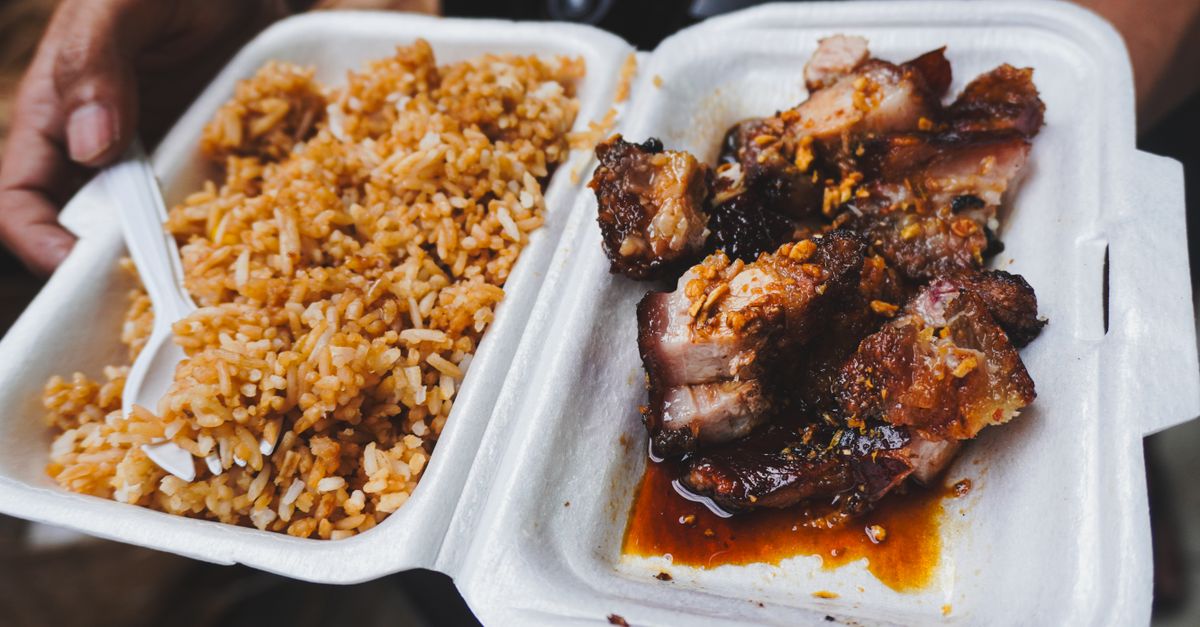
Visitors will encounter a variety of dishes, from the hearty lechon (roast pig) to the sweet and savory adobo, each offering a distinct taste of Filipino culture. The texture of these dishes can range from the crispy skin of lechon to the tender meat in adobo, often accompanied by rice or pancit (noodles). Key variations include different marinades and spices, with regional twists that reflect local ingredients and cooking techniques. First-time visitors should be prepared for a burst of flavors and an array of textures that define Filipino island comfort food.
The Story Behind the Dish
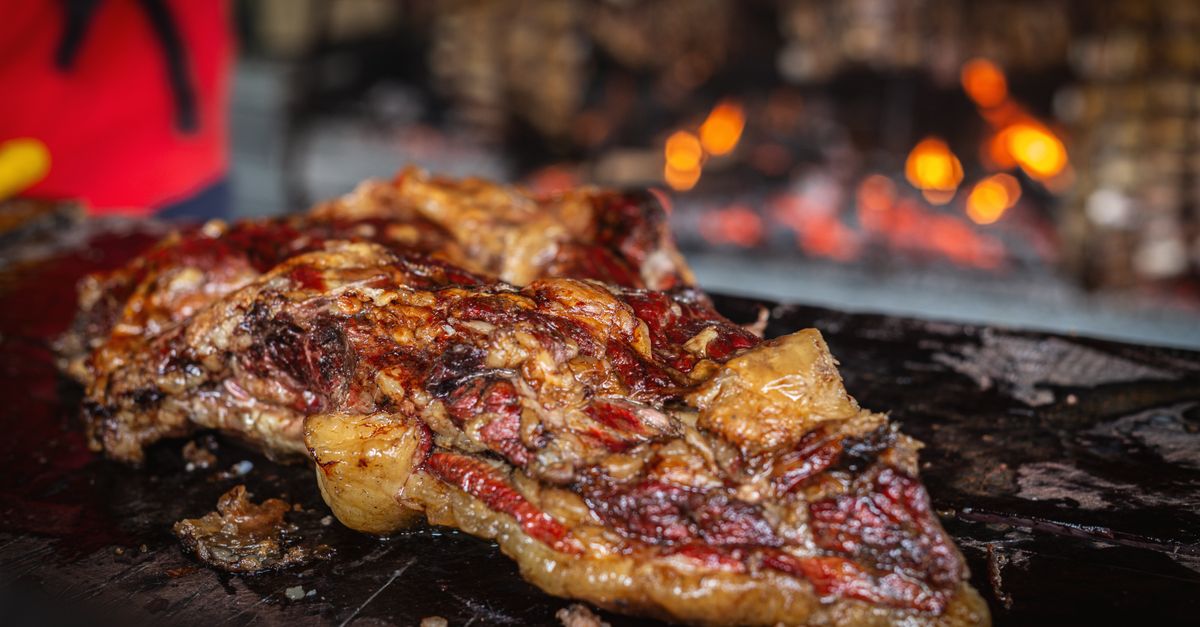
The history of Filipino cuisine is a tapestry of influences from its colonial past and indigenous traditions. Cebu's lechon, for instance, is a testament to the Spanish influence on the islands, with its crispy, golden skin and succulent meat. This dish has become a centerpiece of celebrations and gatherings, symbolizing abundance and festivity. Meanwhile, adobo, a dish of marinated meat, is a fusion of Spanish and local flavors, showcasing the adaptability and creativity of Filipino cooks.
In Manila, the evolution of comfort food reflects the city's cosmopolitan nature. Here, traditional dishes are often given a contemporary twist, catering to a diverse palate. The story of Filipino comfort food is not just about the ingredients but also about the communal experience of sharing a meal. Each dish tells a story of family, community, and the enduring spirit of the Filipino people, who have embraced and adapted various influences to create a cuisine that is uniquely their own.
How Locals Eat It
In Cebu, locals enjoy their lechon with a side of puso, rice wrapped in woven palm leaves, which adds a subtle earthy flavor to the meal. The lechon is often paired with a dipping sauce made from vinegar, soy sauce, and spices, enhancing its savory profile. Eating with hands, or "kamayan," is a common practice, adding to the communal and informal dining experience that is deeply rooted in Filipino culture.

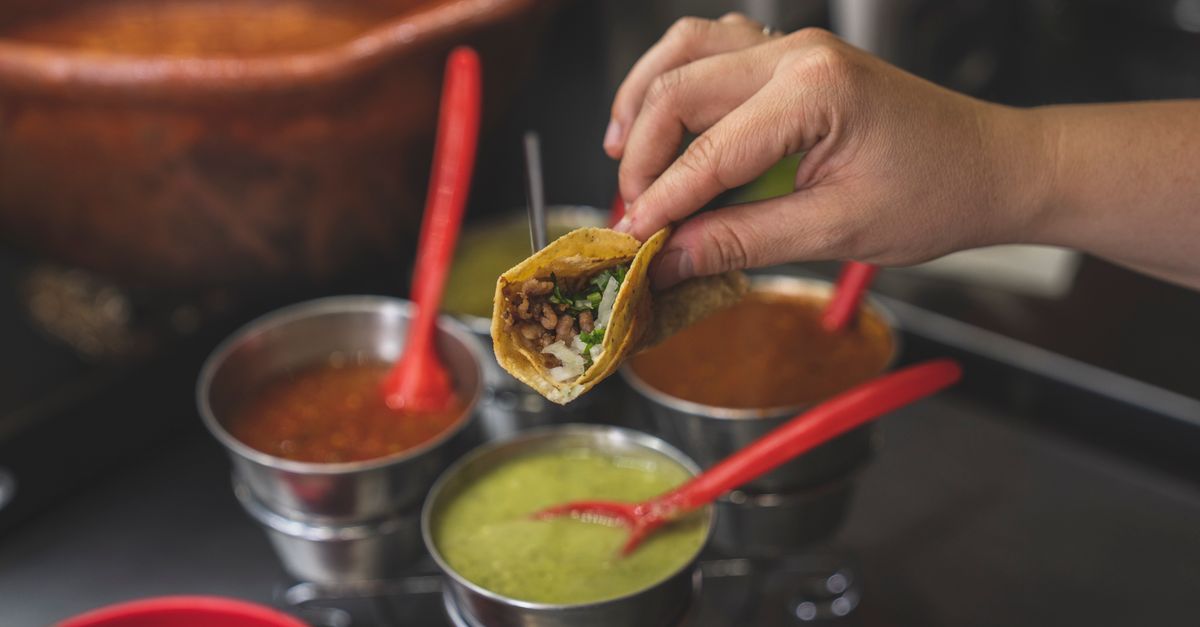
Manila's approach to comfort food is more varied, reflecting its urban setting. Here, adobo might be served with a side of garlic rice and a fried egg, transforming it into a hearty breakfast or brunch option. Street food stalls and casual eateries offer quick and convenient ways to enjoy these dishes, often with a newer take such as adobo flakes or lechon kawali, a deep-fried version of the traditional roast. This flexibility in preparation and presentation makes Manila an exciting place to explore Filipino comfort food.
Where to Find It
Cebu's lechon is best experienced in local markets and roadside stalls, where the aroma of roasting meat fills the air. Places like Carcar City are renowned for their lechon, where whole pigs are roasted over open fires, resulting in a crispy skin and tender meat. These stalls often sell lechon by the kilo, allowing visitors to sample different parts of the pig, each offering a unique texture and flavor.
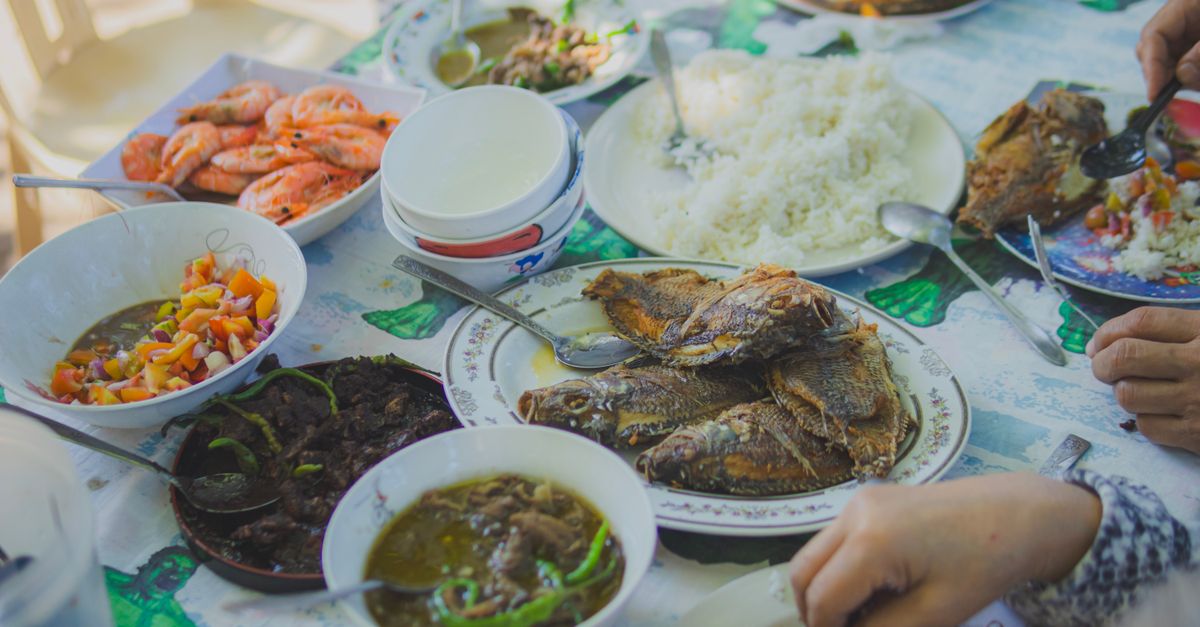
In Manila, comfort food can be found in a variety of settings, from lively food courts to upscale restaurants. The city's diverse food landscape means that traditional dishes like adobo are available in many forms. For a more upscale experience, restaurants in areas like Bonifacio Global City offer contemporary takes on these classics, while street vendors in Quiapo or Divisoria provide a more traditional experience. Whether you're in the mood for a quick snack or a leisurely meal, Manila's food scene has something to offer.
City vs. Countryside Flavor
The contrast between Cebu and Manila's approach to comfort food is a reflection of their respective environments. Cebu, with its laid-back island vibe, offers a more traditional and rustic take on Filipino dishes. The emphasis here is on traditionality and simplicity, with dishes like lechon prepared using time-honored methods that highlight the natural flavors of the ingredients. The countryside setting allows for a more relaxed dining experience, where meals are enjoyed slowly and in good company.
In contrast, Manila's urban setting influences its culinary offerings, which are often more innovative and diverse. The city's fast-paced lifestyle demands convenience, leading to the creation of quick and easy versions of traditional dishes. This has resulted in a fusion of flavors and techniques, with chefs experimenting with new ingredients and presentations. While Cebu offers a taste of the past, Manila provides a glimpse into the future of Filipino cuisine, where tradition meets modernity.
Cost, Portions, and Ordering Tips
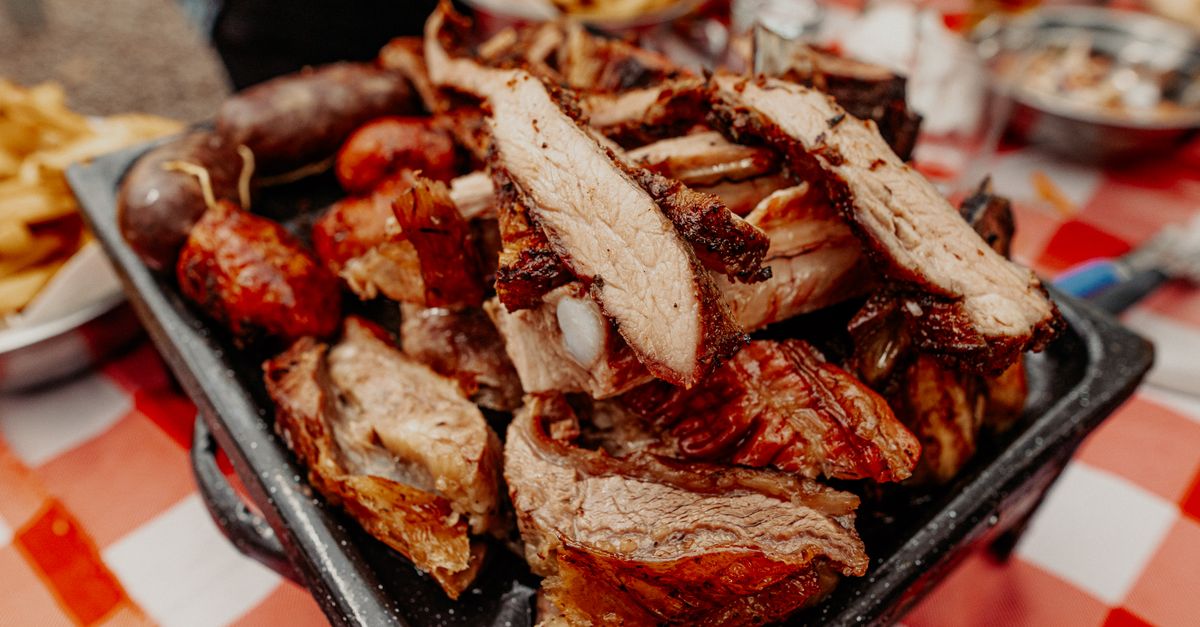
In Cebu, lechon is typically sold by the kilo, with prices varying depending on the location and quality. Expect to pay around PHP 500 to PHP 800 per kilo, with portions generous enough to feed a small group. When ordering, it's advisable to specify which part of the pig you prefer, as each section offers a different texture and flavor profile. For first-time visitors, trying a mix of the crispy skin and tender meat is recommended.
Manila's comfort food offerings are more varied in price and portion size. Street food stalls offer affordable options, with dishes like adobo available for as little as PHP 50 to PHP 150 per serving. In contrast, dining in upscale restaurants can cost significantly more, with prices ranging from PHP 300 to PHP 800 for a more refined experience. When ordering, consider the portion sizes, as some dishes are designed to be shared. It's also worth asking about daily specials, which often feature seasonal ingredients and unique preparations.
What to Know Before You Try It
Before diving into Filipino comfort food, it's important to understand the cultural significance of these dishes. Meals are often shared, and the act of eating is as much about the company as it is about the food. In Cebu, the communal experience is enhanced by the practice of "kamayan," where diners eat with their hands, fostering a sense of connection and camaraderie.
In Manila, the diversity of dining options means that visitors can choose from a range of settings and styles. Whether you're dining in a casual eatery or a high-end restaurant, it's important to approach the meal with an open mind and a willingness to try new flavors. Be prepared for a mix of sweet, savory, and tangy tastes, often in the same dish. It's also worth noting that Filipino food can be quite filling, so pace yourself and enjoy the experience.
Common Mistakes Visitors Make
One common mistake visitors make is underestimating the portion sizes, particularly in Cebu. Filipino dishes are often designed to be shared, and ordering too much can lead to waste. It's best to start with a few dishes and order more if needed. Another mistake is not specifying preferences when ordering lechon, as different parts of the pig offer distinct textures and flavors.
In Manila, visitors sometimes overlook street food in favor of more familiar dining options. However, street food offers an traditional taste of Filipino culture and is an essential part of the dining experience. Another mistake is not being open to trying new flavors and combinations, which can limit the overall experience. Embrace the diversity of Filipino cuisine and be willing to explore the various taste profiles it offers.
Frequently Asked Questions
What is the best time to eat lechon in Cebu?
Lechon is best enjoyed fresh, so it's advisable to visit markets or stalls early in the day when the roast is at its peak. Many locals prefer to eat lechon during lunch, when the meat is still warm and the skin is crispy.
Are there vegetarian options for Filipino comfort food?
While traditional Filipino comfort food is often meat-based, Manila offers a variety of vegetarian options. Many restaurants and eateries provide plant-based versions of classic dishes, using ingredients like tofu and vegetables to recreate the flavors.
How spicy is Filipino comfort food?
Filipino comfort food is generally not very spicy, as the cuisine focuses more on a balance of sweet, savory, and tangy flavors. However, some dishes may include chili or pepper for added heat, so it's best to ask about spice levels when ordering.
Can I find halal options in Cebu and Manila?
Yes, both Cebu and Manila offer halal dining options, particularly in areas with a significant Muslim population. It's advisable to check with the restaurant or vendor to ensure that the food meets halal standards.
Related Golden Horizons Guides
- Best Countries to Retire Abroad on a Budget
- Healthcare Abroad for American Retirees
- Retiring Abroad Checklist for Americans
- Visa Rules for Americans Retiring Abroad
About Golden Horizons
Golden Horizons is the retirement abroad magazine for Americans who aren’t done yet.
Final Bite
Island comfort food in Cebu and Manila offers a glimpse into the Philippines' food heritage. Whether you're enjoying the traditional lechon in Cebu or exploring modern adobo variations in Manila, these dishes reveal the country's food culture. Perfect for those interested in local flavors, these dining experiences promise a taste of life that's both satisfying and memorable.