Quick Taste
Sinigang in the Philippines is a sour soup with a savory and tangy flavor profile, and Manila is better for those seeking an intense sourness while Cebu offers a milder, sweeter variation. This Filipino dish, often made with pork or shrimp, is a staple in both cities, yet each locale brings its own twist to the table. In Manila, the soup is typically more robust, with a pronounced tamarind tang that leaves a lasting impression. Meanwhile, Cebu's version tends to be gentler, incorporating local fruits like green mango to soften the sour notes, making it an excellent choice for those new to the dish.
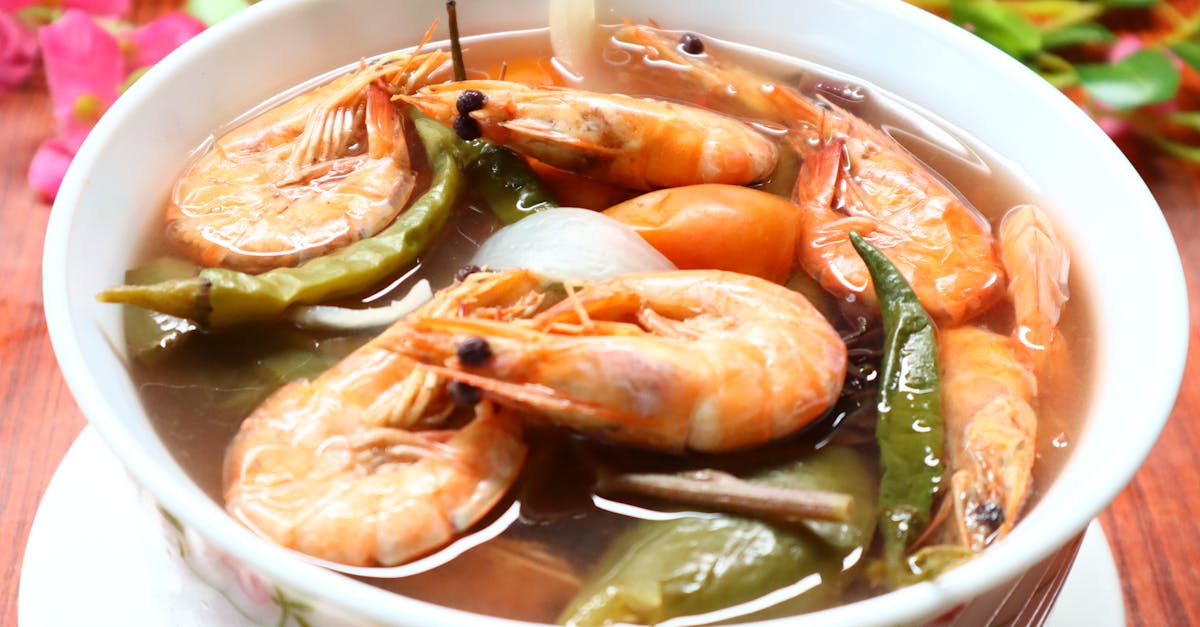
Visitors to the Philippines will find sinigang to be a comforting and hearty meal, often served steaming hot with a side of white rice. The soup's base is typically enriched with tomatoes, onions, and a variety of vegetables such as kangkong (water spinach) and radish. In Manila, expect a more traditional approach with pork as the primary protein, while Cebu may offer innovative twists with seafood, reflecting its coastal location. Regardless of the variation, sinigang is a dish that embodies the Filipino love for bold flavors and communal dining.
The Story Behind the Dish
Sinigang's origins are deeply rooted in Filipino culture, tracing back to the country's pre-colonial era. The dish's core ingredient, tamarind, was introduced to the archipelago by early Austronesian settlers and has since become a fundamental part of Filipino cooking. Over the centuries, sinigang has evolved, with each region adding its own touch to the recipe.
In Manila, sinigang is a culinary staple that reflects the city's bustling and diverse food scene. The capital's version often emphasizes the sourness, a nod to the traditional preparation methods passed down through generations. Conversely, Cebu's sinigang highlights the island's natural resources, incorporating local fruits and seafood to create a refreshing take on the dish. This regional adaptation not only showcases Cebu's abundant coastal offerings but also its innovative spirit in the culinary arts.
How Locals Eat It
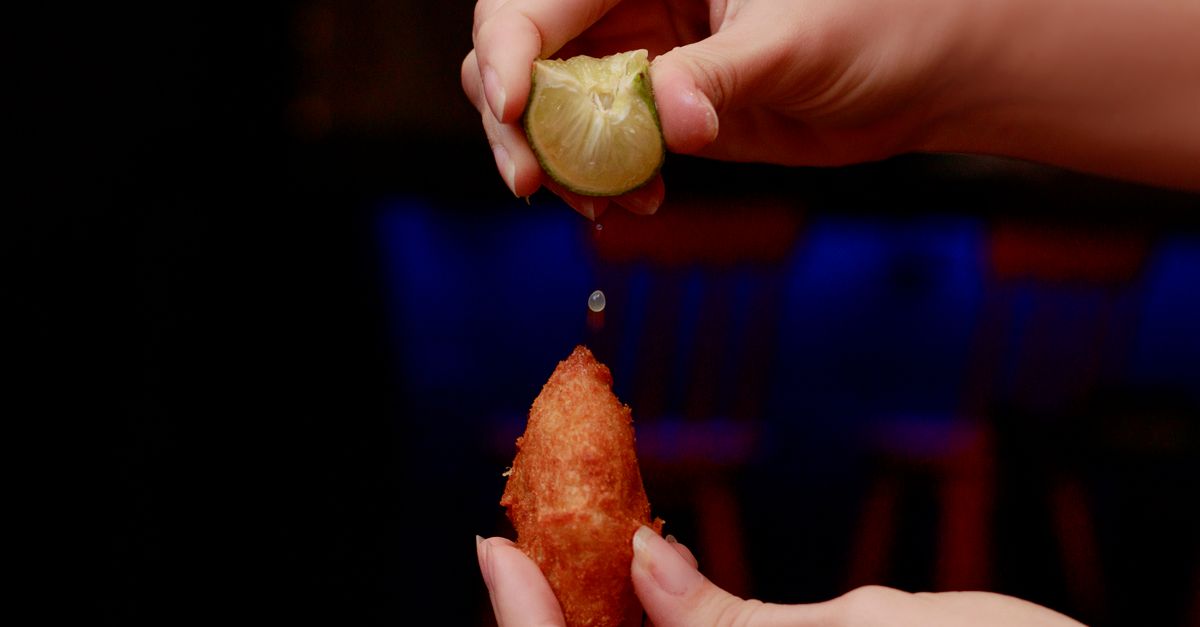
In Manila, sinigang is a popular choice for family gatherings and special occasions, often served in large bowls for sharing. Locals typically enjoy it with a generous serving of rice, which balances the soup's sourness and allows for a more filling meal. The dish is commonly accompanied by a side of patis (fish sauce) with calamansi, a small citrus fruit, which diners use to adjust the flavor to their liking.

Cebuanos, on the other hand, might enjoy sinigang with a twist. In Cebu, it's not uncommon to find the soup served with a side of puso, rice wrapped in woven coconut leaves, which adds a subtle coconut aroma to the meal. Additionally, the use of local fruits like green mango or even pineapple in the soup base provides a sweeter contrast to the traditional sour notes, making it a refreshing option, especially in the warmer months.
Where to Find It
In Manila, sinigang can be found in a variety of settings, from high-end restaurants to humble carinderias (local eateries). Notable spots include Sentro 1771 in Makati, known for its innovative take on traditional Filipino dishes, and Locavore in Kapitolyo, where the sinigang is made with a twist using beef short ribs and watermelon.
Cebu offers its own array of dining experiences, with many seaside restaurants and street food stalls serving their version of sinigang. Larsian in Fuente Osmeña is a popular food market where visitors can sample a range of Cebuano dishes, including a seafood version of sinigang. For a more upscale experience, Café Laguna in Ayala Center Cebu offers a refined take on the dish, often featuring fresh seafood caught off the island's coast.
City vs. Countryside Flavor
The contrast between Manila and Cebu's sinigang is a reflection of their respective environments and culinary influences. In Manila, the urban landscape and fast-paced lifestyle are mirrored in the bold, assertive flavors of its sinigang. The city's version often emphasizes the tartness of tamarind, creating a dynamic and invigorating dish that resonates with the capital's energy.
In contrast, Cebu's sinigang embodies a more laid-back, coastal vibe. The use of local fruits and seafood imparts a sweetness and lightness to the soup, offering a refreshing respite from the island's tropical climate. This variation is ideal for those who prefer a milder, more nuanced flavor profile, and it highlights the region's abundant natural resources and culinary creativity.
Cost, Portions, and Ordering Tips
In Manila, a bowl of sinigang at a mid-range restaurant typically costs between PHP 250 to PHP 400, depending on the protein and establishment. Portions are generally generous, making it a great dish for sharing among friends or family. When ordering, don't hesitate to ask for extra vegetables or a side of patis with calamansi to customize the flavor to your liking.
Cebu's sinigang prices are comparable, with dishes ranging from PHP 200 to PHP 350. Given the island's access to fresh seafood, it's worth trying a seafood version if available. Portions are similarly ample, and locals often recommend pairing the dish with puso for an authentic Cebuano experience. Be sure to inquire about the day's catch for the freshest options.
What to Know Before You Try It
For those new to sinigang, it's important to be prepared for its distinct sourness, particularly in Manila's version. The tamarind base can be quite tangy, which might be surprising to first-timers. However, the soup's flavor can be adjusted with condiments like patis and calamansi, allowing diners to tailor the taste to their preference.
In Cebu, the addition of fruits like green mango or pineapple may offer a sweeter introduction to the dish. This variation is ideal for those who prefer a milder flavor, and it provides a unique take on the traditional recipe. Regardless of the version, sinigang is best enjoyed hot, making it a comforting choice on a rainy day or during cooler evenings.
Common Mistakes Visitors Make
One common mistake visitors make is underestimating the sourness of sinigang, especially in Manila. It's advisable to start with a small portion and adjust the flavor with condiments as needed. Additionally, some diners might overlook the importance of rice as an accompaniment, which helps balance the soup's bold flavors.
In Cebu, visitors might miss out on the opportunity to try the local variation with fruits or seafood. To fully appreciate the regional differences, it's recommended to sample both the traditional and innovative versions of the dish. Lastly, be mindful of portion sizes, as sinigang is typically served in large bowls meant for sharing.
Frequently Asked Questions
What makes Manila's sinigang different from Cebu's?
Manila's sinigang is known for its intense sourness, primarily derived from tamarind. The capital's version often includes pork and a variety of vegetables, creating a hearty and robust soup. In contrast, Cebu's sinigang incorporates local fruits like green mango or pineapple, resulting in a milder, sweeter flavor. This variation often features seafood, highlighting the island's coastal resources.
Can I find vegetarian sinigang in the Philippines?
Yes, vegetarian sinigang is available in some restaurants, particularly in Manila. This version typically substitutes the meat with tofu or a variety of vegetables, such as eggplant, okra, and spinach. It's a great option for those seeking a plant-based meal while still enjoying the dish's signature sourness.
Is sinigang spicy?
Sinigang is not traditionally spicy, as its primary flavor is sourness. However, some variations may include a hint of spice from the addition of chili peppers. Diners can adjust the heat level by adding more chili or opting for a milder version, depending on their preference.
How should I eat sinigang?
Sinigang is best enjoyed with a side of white rice, which helps balance the soup's sourness. Diners can also add condiments like patis and calamansi to customize the flavor. It's typically served hot, making it a comforting choice for cooler weather or rainy days.
Related Golden Horizons Guides
- Best Countries to Retire Abroad on a Budget
- Healthcare Abroad for American Retirees
- Retiring Abroad Checklist for Americans
- Visa Rules for Americans Retiring Abroad
About Golden Horizons
Golden Horizons is the retirement abroad magazine for Americans who aren’t done yet.
Final Bite
Sinigang is a quintessential Filipino dish that offers a taste of the country's culinary diversity. Whether you find yourself in the bustling streets of Manila or the serene shores of Cebu, this sour soup is sure to leave a lasting impression. By understanding the regional nuances and embracing the flavors each city brings to the table, visitors can fully appreciate the depth and complexity of sinigang. So, grab a bowl, adjust the flavors to your liking, and enjoy the essence of the Philippines through this dish.