Quick Taste
Street food in Brazil, especially in Rio de Janeiro and Bahia, offers a flavorful journey through local culture, with Rio being ideal for those seeking convenience and Bahia providing traditional flavors. In Rio, you’ll find street food that’s quick and accessible, perfect for first-time visitors. Meanwhile, Bahia offers a deeper explore traditional Brazilian cuisine with dishes that are rich in flavor and history. Both regions present a popular street food scene, but Bahia stands out for its traditionality and unique Afro-Brazilian influences.

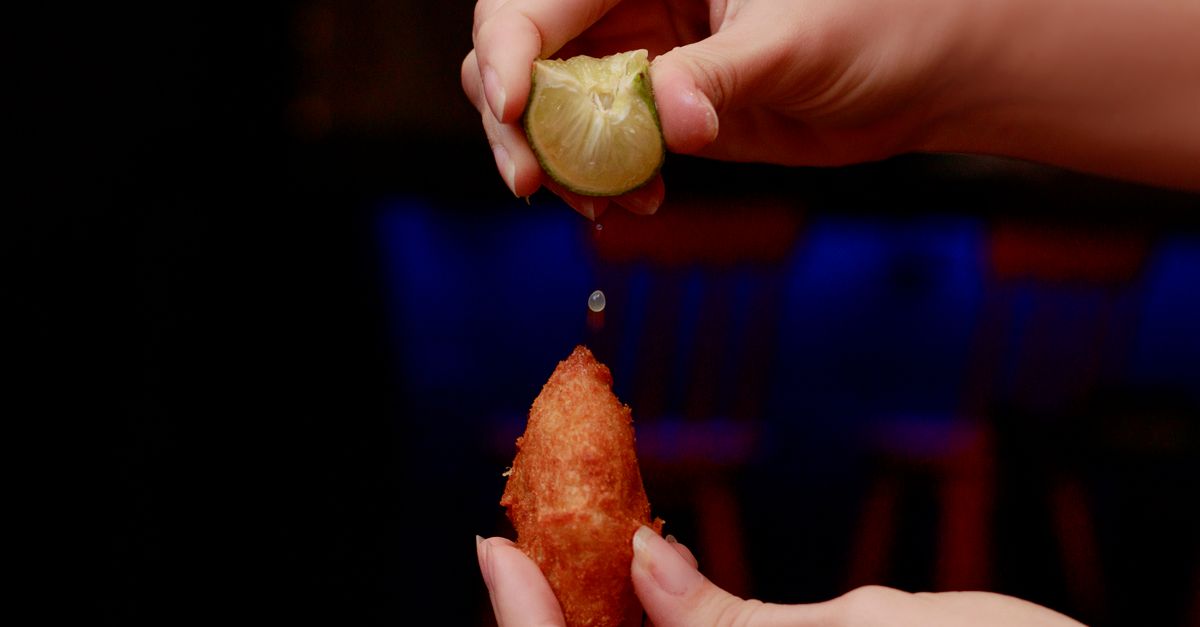
In Rio, the street food landscape is lively, with vendors offering a variety of snacks like pastéis, which are crispy pastries filled with cheese or meat, and coxinhas, which are savory dough balls stuffed with chicken. These are typically enjoyed hot and fresh, making them a convenient option for those on the go. In Bahia, the street food scene is deeply rooted in Afro-Brazilian culture, with acarajé being a staple. This dish, made from deep-fried black-eyed pea dough and filled with vatapá, a spicy paste, is often accompanied by shrimp and spicy sauces, offering a burst of flavor with every bite.
The Story Behind the Dish
Brazilian street food is a reflection of the country’s diverse cultural heritage. In Rio, the street food scene is a melting pot of Portuguese, African, and indigenous influences, with dishes like pastel and pão de queijo (cheese bread) being popular choices. The pastel, a deep-fried pastry, is reminiscent of the empanadas found in Iberian cuisine, showcasing the influence of Portuguese settlers. These pastries are often filled with a variety of ingredients, from cheese to shrimp, highlighting the fusion of cultures that define Brazilian street food.
Bahia, on the other hand, is known for its Afro-Brazilian cuisine, with acarajé being a staple. This dish has its roots in West African cuisine, brought to Brazil by enslaved Africans. Traditionally prepared by women known as baianas, who dress in white, acarajé is served with a side of history and culture. The use of dendê oil, a staple in Bahian cooking, adds a distinct flavor that is both spicy and aromatic. The street food in Bahia is a celebration of the region's African heritage, making it a unique dining experience.
How Locals Eat It
In Rio, street food is often enjoyed as a quick snack or light meal on the go. Locals typically grab a pastel or coxinha from street vendors while commuting or during a break. The beaches of Copacabana and Ipanema are popular spots for enjoying these snacks, where the sound of waves complements the crunch of the food. It's common to see locals enjoying a quick bite while catching up on the latest football match or simply soaking in the sun.

In Bahia, street food is more of a communal experience, often enjoyed at local markets or during festivals. Acarajé is commonly eaten in the evening, accompanied by spicy sauces and a cold beverage. It's a dish meant to be enjoyed slowly, often accompanied by lively music and dance. The communal aspect of eating is important in Bahia, where food is a way to connect with one's heritage and community.
Where to Find It
In Rio, you can find street food vendors along the lively streets of Copacabana and Ipanema, as well as at local markets like Feira de São Cristóvão. These neighborhoods are known for their popular nightlife and offer a plethora of street food options. The Feira de São Cristóvão is a must-visit for those looking to explore a variety of Brazilian snacks in one place. Here, you can find everything from grilled meats to sweet treats like brigadeiros.

Bahia’s street food scene is popular in Salvador, especially in the Pelourinho district and around the Mercado Modelo. The Mercado Modelo is a popular destination for tourists and locals alike, offering a wide array of traditional Bahian dishes. The Pelourinho district, with its colonial architecture, is another hotspot for street food. Vendors here serve up acarajé and other Afro-Brazilian delicacies, providing a taste of the region's food heritage.
City vs. Countryside Flavor
Comparing Rio and Bahia, Rio is best for convenience and variety, with its street food being readily available and easy to access. The street food in Rio reflects the fast-paced lifestyle of the city. Vendors cater to the on-the-go crowd, offering quick and convenient options that are easy to eat while walking. The flavors tend to be milder, appealing to a wide audience, with a focus on fresh ingredients and simple preparations. The influence of international cuisines is also evident, with many vendors offering fusion dishes that combine Brazilian ingredients with global flavors.
Bahia, however, excels in traditional flavor, offering dishes that are deeply rooted in Afro-Brazilian culture. The flavors are bolder and spicier, with a heavy reliance on local ingredients like dendê oil and coconut milk. The countryside around Bahia offers a more rustic and traditional experience, with dishes that have been passed down through generations. Here, the food is a reflection of the land and its people, offering a taste of the region's rich history and culture. For larger portions, Bahia is the place to go, while Rio offers lighter options suitable for dietary restrictions. First-time visitors might find Rio’s street food scene more approachable, but those seeking a deeper cultural experience should head to Bahia.
Cost, Portions, and Ordering Tips
Street food in Rio and Bahia is generally affordable, with prices ranging from 5 to 15 BRL ($1 to $3 USD) per item. Portions are typically snack-sized, making it easy to try multiple dishes. It's common to order multiple items to share with friends, allowing you to sample a variety of flavors. Cash is preferred at most street vendors, though some may accept cards. In tourist-heavy areas, prices may be slightly higher. When ordering, it’s helpful to know a few Portuguese phrases, such as "um pastel, por favor" (one pastel, please). Don’t hesitate to ask vendors for recommendations or to specify any dietary restrictions.
In Bahia, the prices are similar, but portions tend to be larger, making it easier to fill up on a single dish. Acarajé is usually priced around R$10 to R$20, depending on the size and toppings. It's important to specify your spice preference, as Bahian food can be quite hot. Don't hesitate to ask the vendor for recommendations, as they are often happy to share their knowledge of the best combinations and flavors.
What to Know Before You Try It
Before diving into Brazil's street food scene, it's important to be mindful of food safety. Look for vendors with a steady stream of customers, as this often indicates fresh and popular offerings. In Rio, stick to well-trafficked areas like beaches and markets to ensure a safe and enjoyable experience. In Bahia, be prepared for spicier flavors and unique ingredients that may be unfamiliar to some palates.
Street food in Brazil can be spicy, especially in Bahia, where dishes like acarajé are served with hot pepper sauces. Common allergens include seafood, gluten, and dairy, so it’s important to inquire about ingredients if you have allergies. Food safety standards vary, so look for vendors with high turnover to ensure freshness. Seating is often limited, so be prepared to enjoy your meal standing or on the go. It's also worth noting that street food in Brazil is often cash-only, so it's a good idea to carry small bills and change. Be aware of your surroundings and keep your belongings secure, especially in crowded areas. Finally, approach the experience with an open mind and a willingness to try new things, as street food is an integral part of Brazil's cultural fabric.
Common Mistakes Visitors Make
One common mistake visitors make is not being prepared for the spice levels in Bahian street food. Acarajé, in particular, can be quite hot, so it's important to specify your spice preference when ordering. Another mistake is overlooking the importance of hygiene. Always choose vendors who maintain clean stalls and handle food with care.
Visitors often miss out on the full experience by sticking to familiar dishes. While it's tempting to play it safe, venturing out of your comfort zone can lead to delightful findies. It’s a mistake to skip well-known dishes like acarajé in Bahia or pão de queijo in Rio. Another common error is not carrying enough cash, as many vendors do not accept cards. Lastly, some tourists may shy away from spicy foods, missing out on the traditional flavors that define Brazilian street food. Finally, many tourists underestimate the importance of learning a few basic Portuguese phrases. This can greatly enhance your experience, as it allows you to communicate effectively with vendors and locals.
Frequently Asked Questions
Is street food better in Rio or Bahia?
Bahia is better for traditional flavors and larger portions, while Rio offers convenience and variety. Each region has its own unique offerings, so it depends on what you're looking for in your dining experience.
What does acarajé taste like?
Acarajé is savory with a crispy exterior and a soft, flavorful filling, often spicy due to the accompanying sauces. The combination of black-eyed peas, shrimp, and spices creates a complex taste that is both satisfying and memorable.
How much does street food usually cost in Brazil?
Street food typically costs between 5 to 15 BRL ($1 to $3 USD) per item. Prices can vary depending on the location and the specific dish, but overall, street food in Brazil is an affordable way to enjoy local flavors.
What should I order with acarajé?
Acarajé pairs well with spicy sauces and a refreshing cold beverage, like a local beer or coconut water. The combination of flavors enhances the overall experience, making it a worth trying for anyone visiting Bahia.
Related Golden Horizons Guides
- Best Countries to Retire Abroad on a Budget
- Healthcare Abroad for American Retirees
- Retiring Abroad Checklist for Americans
- Visa Rules for Americans Retiring Abroad
About Golden Horizons
Golden Horizons is the retirement abroad magazine for Americans who aren’t done yet.
Final Bite
Brazilian street food offers a window into the country's diverse cultural tapestry, with Rio and Bahia each providing unique dining experiences. Whether you're a first-time visitor or a seasoned traveler, exploring the street food scene is a must to truly appreciate Brazil's popular flavors and traditions. Embrace the local spirit, try something new, and savor the tastes that define this captivating country.