Quick Taste
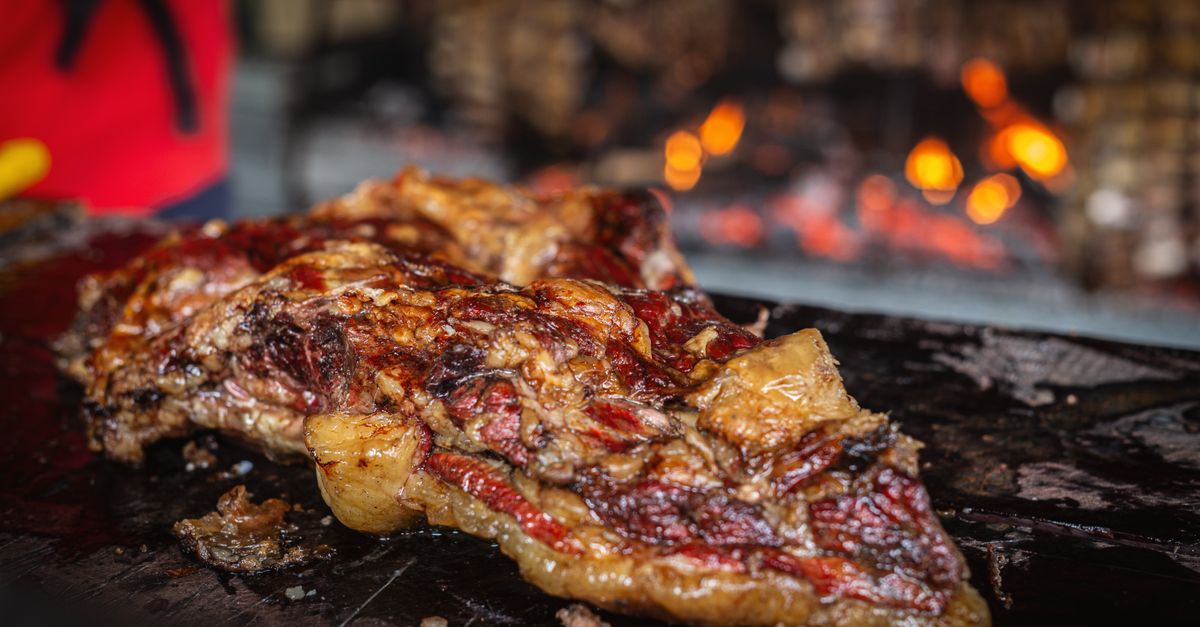
Imagine sitting in a rustic Croatian konoba, where the air is filled with the earthy aroma of peka—a slow-roasted dish cooked under a heavy iron bell. This traditional meal, often prepared with lamb, veal, or octopus, is accompanied by potatoes and seasonal vegetables, all marinated in olive oil and herbs. As the bell is lifted, the flavors meld into a tender, juicy feast that melts in your mouth. Expect to pay around HRK 120-200 (about $17-28) per person, making it a special occasion meal that offers a taste of Croatian culinary tradition. For anyone considering an extended stay in Croatia, peka is a dish that embodies the leisurely pace and rich flavors of everyday life here.
The Story Behind the Dish
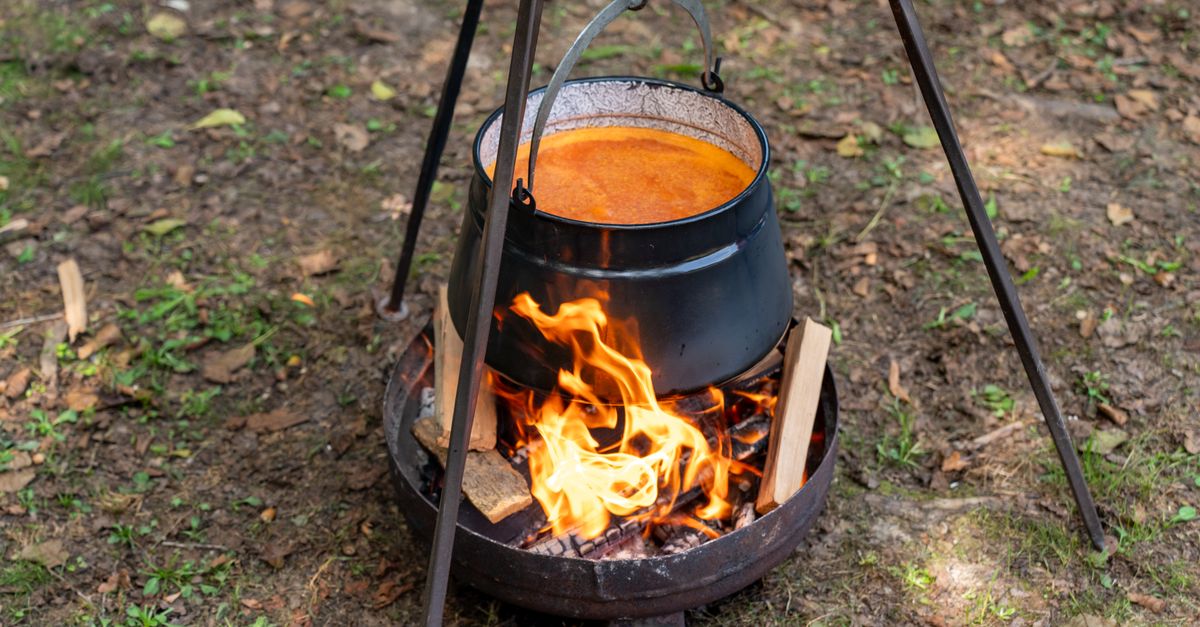
Peka's origins are deeply rooted in the Dalmatian region of Croatia, where it has been a staple for centuries. The method of cooking under an iron bell, or "peka," dates back to the time when rural communities needed a way to cook meals slowly and evenly using minimal fuel. This technique allowed families to prepare hearty meals without constant supervision, freeing them to tend to other daily tasks. Over time, peka became a symbol of communal gatherings and celebrations, often shared among family and friends during special occasions. The dish's enduring popularity is a testament to its ability to bring people together, a quality that resonates with those considering a move to this attractive country.
How Locals Eat It
In Croatia, peka is more than just a meal—it's an event. Locals typically enjoy it during leisurely weekend lunches or festive family gatherings. The preparation begins hours before the meal, as the ingredients are carefully arranged under the bell and covered with hot coals. While the dish cooks, friends and family gather around, sipping on local wines or rakija, a potent fruit brandy. The anticipation builds as the aroma wafts through the air, and when the bell is finally lifted, it's time to dig in. Peka is usually served with homemade bread, perfect for soaking up the savory juices, and a simple salad dressed with olive oil and vinegar.

Where to Find It
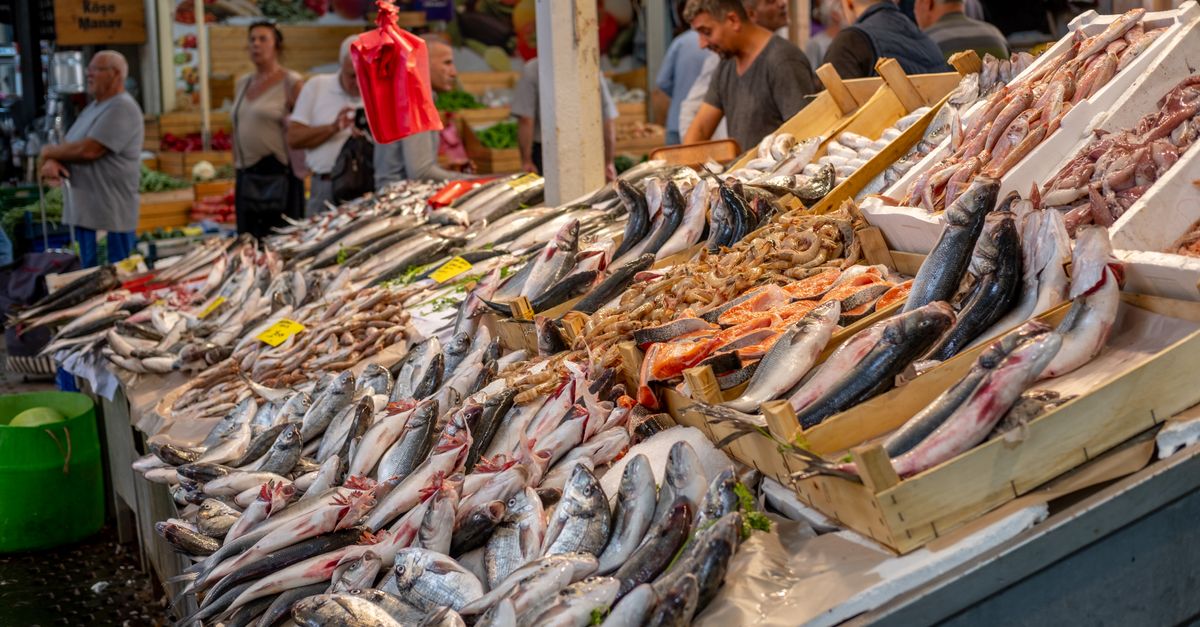
For those seeking an traditional peka experience, it's best to venture beyond the tourist hotspots. Head to the small villages and family-run konobas in the Dalmatian hinterland, where the dish is prepared in the traditional manner. Places like Skradin or the island of Brač are known for their excellent peka offerings. If you're staying in a coastal city like Split or Dubrovnik, consider taking a short drive inland to find these lesser-known spots. Alternatively, visit local markets where you can buy the necessary ingredients to try your hand at making peka at home—a rewarding endeavor for those spending an extended time in Croatia.
Regional Variations
While the basic concept of peka remains consistent, regional variations abound across Croatia. In Dalmatia, lamb is the preferred meat, often sourced from local farms where the animals graze on aromatic herbs. On the islands, octopus peka is a popular choice, offering a taste of the sea with its tender, flavorful meat. Inland regions might favor veal or pork, each bringing its own distinct taste to the dish. Vegetables can also vary, with some cooks opting for artichokes or bell peppers alongside the traditional potatoes and carrots. These variations reflect the diverse landscapes and culinary influences of Croatia, providing a unique experience with each version of peka.
Cost, Portions, and Ordering Tips
When dining out, expect to pay between HRK 120-200 (about $17-28) per person for peka, depending on the meat and location. Portions are generous, often meant for sharing among a group, so it's wise to order accordingly. If you're dining with locals, let them take the lead in ordering, as they might know the best combinations of meat and vegetables. When making peka at home, purchasing ingredients from a local market can be cost-effective, with a whole meal for four costing around HRK 300 (about $42). Remember, peka is a dish that requires patience, so plan your day around its leisurely cooking time.
What to Know Before You Try It
Peka is a dish that requires advance planning, both for restaurants and home cooks. Many konobas require reservations and advance notice to prepare the dish, as it takes several hours to cook. For those making it at home, a special peka dome and a wood-fired oven or outdoor grill are essential. The dish is traditionally cooked on an open fire, so ensure you have the right setup before beginning. Additionally, be prepared for a leisurely meal, as peka is best enjoyed slowly, allowing you to savor each bite and the company of those around you.
Common Mistakes Visitors Make
One common mistake is expecting to find peka readily available in tourist-heavy areas. While some restaurants cater to tourists, the best peka experiences are often found off the beaten path. Another mistake is not allowing enough time for the dish to cook; it’s essential to plan your day around its long preparation time. Visitors might also overlook the importance of pairing peka with local wines or rakija, which enhance the flavors of the dish. Lastly, attempting to make peka without the proper equipment or knowledge can lead to disappointing results, so consider taking a local cooking class to learn the traditional method.
Frequently Asked Questions
What meats are commonly used in peka?
Peka is typically made with lamb, veal, or octopus, each offering a distinct flavor profile. Lamb is popular in Dalmatia, while octopus is favored on the islands. Veal is common in inland regions.
How long does it take to cook peka?
Cooking peka is a slow process, usually taking 2 to 3 hours under the iron bell. This allows the flavors to meld and the meat to become tender.
Can I find peka in major cities like Split or Dubrovnik?
While some restaurants in major cities offer peka, the best experiences are often found in smaller villages or family-run konobas outside the tourist areas.
Is peka suitable for vegetarians?
Peka is traditionally a meat-based dish, but some variations include a larger proportion of vegetables. However, a fully vegetarian peka is rare and would need to be specially requested.
Related Golden Horizons Guides
- Best Countries to Retire Abroad on a Budget
- Healthcare Abroad for American Retirees
- Retiring Abroad Checklist for Americans
- Visa Rules for Americans Retiring Abroad
About Golden Horizons
Golden Horizons is the retirement abroad magazine for Americans who aren't done yet.
Final Bite
Peka is more than just a meal; it's a celebration of Croatian culture and the simple joys of sharing food with loved ones. For those considering a move to Croatia, experiencing peka is a delicious way to understand the country's pace of life and food traditions. Spend some time here, savor the flavors, and see if this is the everyday life you've been dreaming of.