Quick Taste
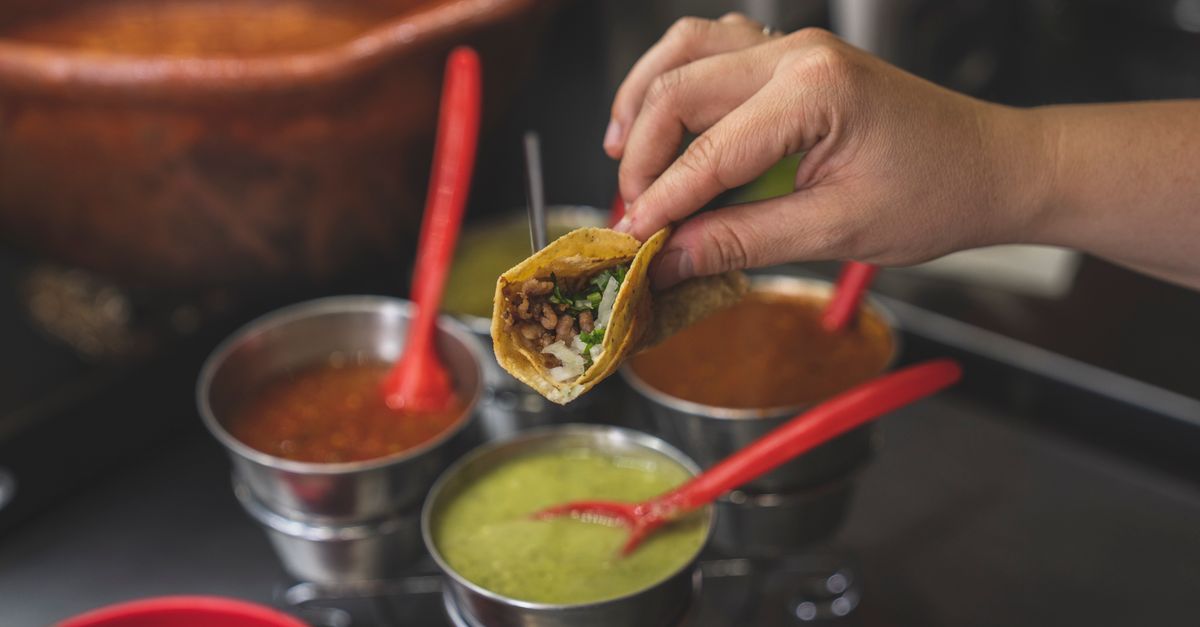
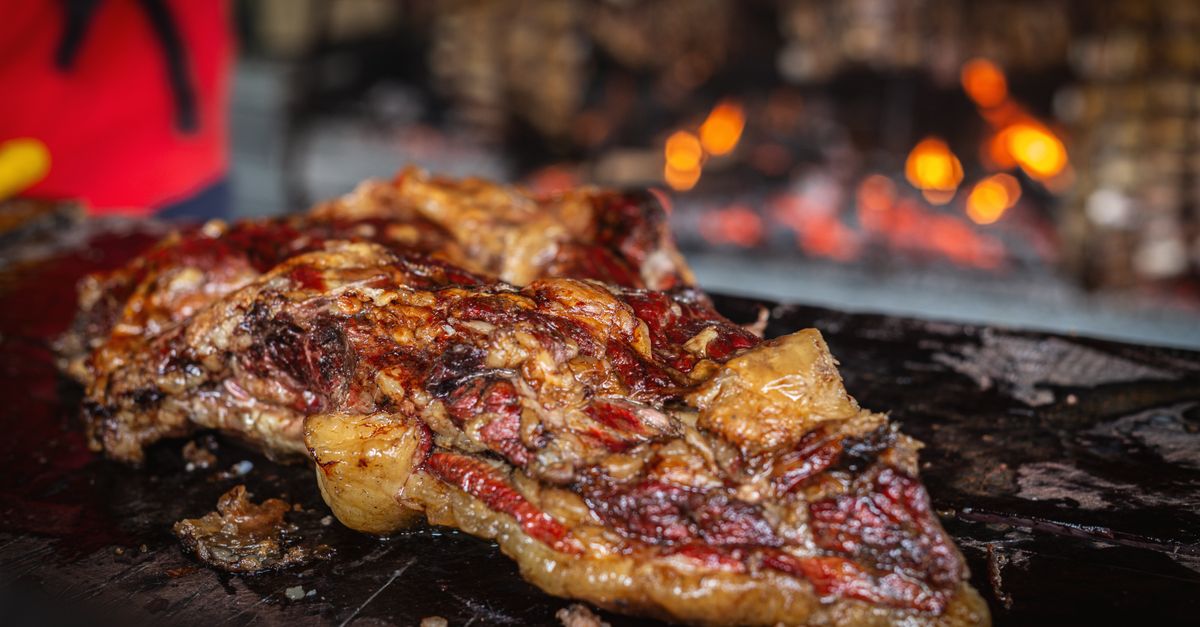
In the popular markets of Campeche, Mexico, you'll find vendors serving pan de cazón, a layered dish of corn tortillas, refried black beans, and shark meat, all smothered in a rich tomato sauce. This Gulf Coast specialty is a savory delight, offering a perfect balance of textures: the soft tortillas, the tender fish, and the creamy beans. A plate of pan de cazón typically costs between MXN 80-120 (about $4-6 USD), making it an affordable treat. For those considering a longer stay in Mexico, this dish offers a taste of everyday life, where local ingredients and traditional recipes come together in a meal that's both satisfying and economical.
The Story Behind the Dish
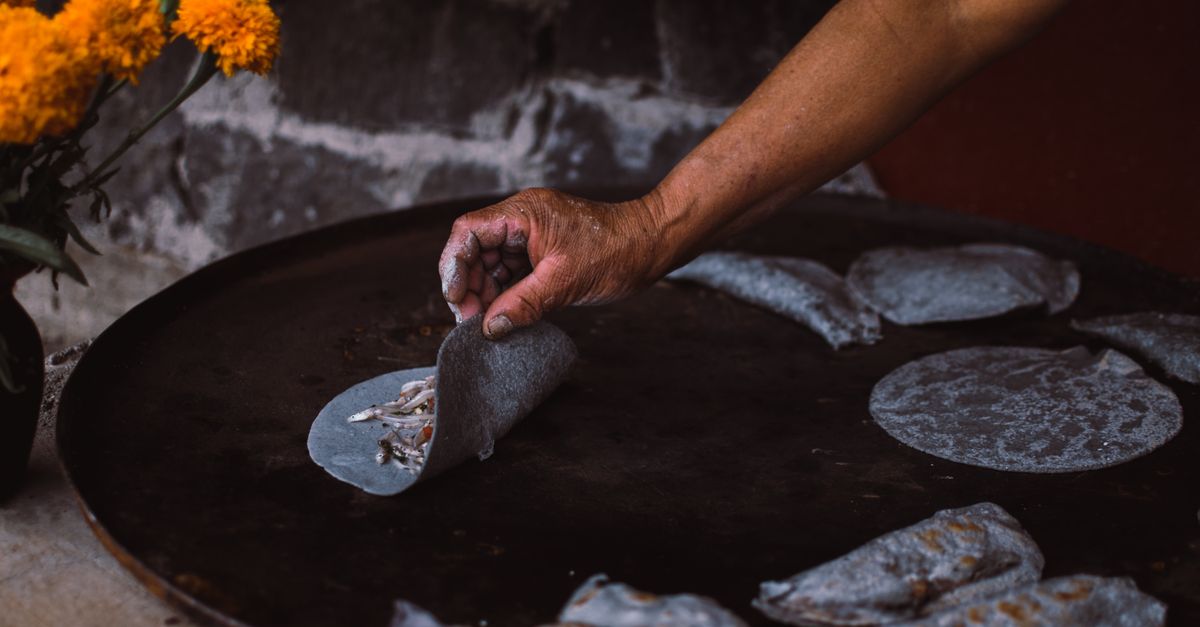
Pan de cazón is a dish deeply rooted in Campeche's coastal history. The name translates to "bread of dogfish," referring to the small shark commonly used in the recipe. This dish dates back centuries, originating from the fusion of Mayan and Spanish food traditions. Campeche, with its strategic location by the Gulf of Mexico, has always been a hub for seafood. The abundance of shark in the region made it a staple protein for the locals. Over time, pan de cazón evolved from a simple fisherman’s meal into a celebrated regional specialty, known for its ability to bring together the flavors of the sea with the heartiness of beans and tortillas.
How Locals Eat It
Locals typically enjoy pan de cazón as a hearty lunch or dinner. It's often served in small, family-run eateries known as "fondas," where the dish is prepared with recipes passed down through generations. In Campeche, it's common to find this dish garnished with a sprinkle of fresh cilantro and a wedge of lime, which adds a refreshing brightness to the rich flavors. Locals might pair it with a cold cerveza or a glass of agua fresca to complete the meal. Eating pan de cazón is not just about the food; it's an experience that reflects the communal and familial nature of Mexican dining culture.

Where to Find It
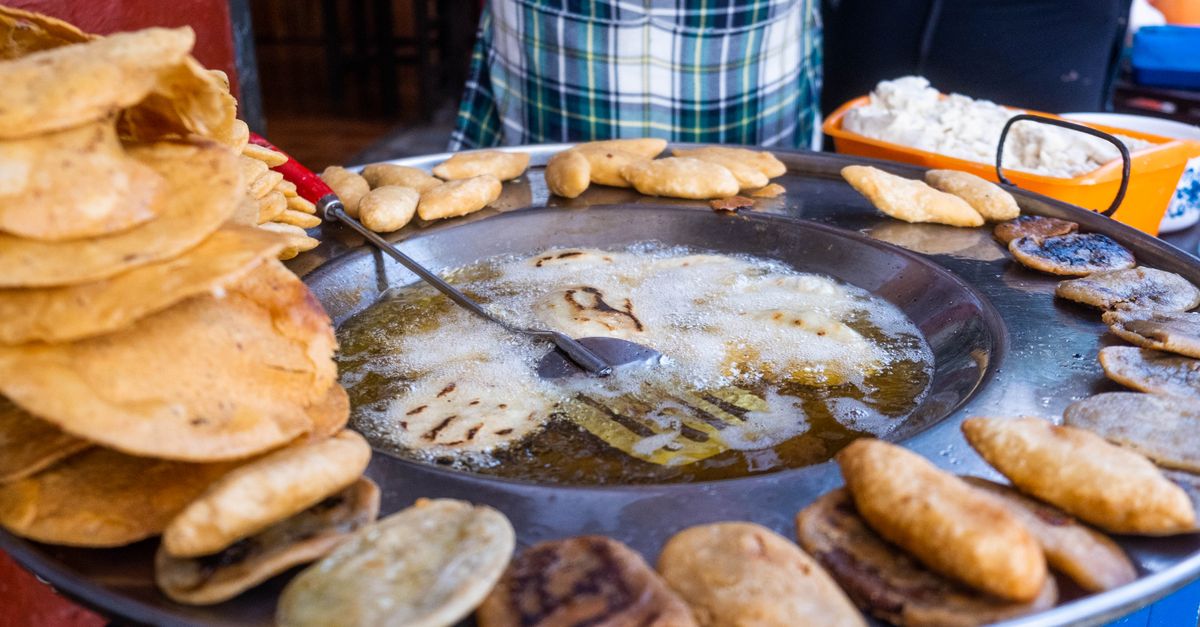
To taste pan de cazón like a local, head to the lively markets of Campeche, such as the Mercado Principal. Here, you'll find stalls offering freshly made versions of this dish. For a more sit-down experience, small restaurants in the historic center of Campeche also serve pan de cazón, often with their own unique twist. If you're staying longer and want to try making it yourself, local supermarkets and markets sell all the necessary ingredients. Fresh tortillas, black beans, and shark meat are readily available, allowing you to recreate this dish in your own kitchen.

Regional Variations
While pan de cazón is quintessentially Campechano, variations can be found throughout the Yucatán Peninsula. In some areas, cooks might use different types of fish if shark is unavailable, such as grouper or snapper. The tomato sauce might also vary, with some versions incorporating a hint of habanero for extra heat. Additionally, the layering technique can differ; some chefs prefer to stack the tortillas and fillings like a lasagna, while others serve it more like a casserole. These variations reflect the adaptability of the dish to local tastes and ingredient availability, showcasing the diversity within Mexican cuisine.
Cost, Portions, and Ordering Tips
When ordering pan de cazón, expect a generous portion that can easily satisfy a hearty appetite. A typical serving includes three to four layers of tortillas and fillings, topped with enough sauce to soak into the layers without making them soggy. Prices range from MXN 80-120 (about $4-6 USD), depending on the location and establishment. For a more economical option, consider visiting local markets where prices are often lower than in tourist-heavy areas. When ordering, don’t hesitate to ask for extra lime or cilantro, as these fresh additions can enhance the flavors beautifully.
What to Know Before You Try It
Before diving into pan de cazón, it's helpful to know that the dish is traditionally made with shark meat, which might be a new experience for some. The meat is mild and tender, similar to white fish, but with a slightly firmer texture. If you're concerned about sustainability, inquire whether the restaurant uses sustainably sourced shark or a substitute fish. Also, be prepared for the dish to be quite filling, thanks to the layers of tortillas and beans. It's a meal that’s meant to be enjoyed slowly, ideally in the company of friends or family.
Common Mistakes Visitors Make
One common mistake visitors make is assuming pan de cazón is similar to a sandwich or bread, due to its name. Instead, it’s a layered dish more akin to a Mexican lasagna. Another misstep is underestimating the portion size; it's more substantial than it appears. Tourists might also overlook the importance of the accompaniments; the lime and cilantro are not just garnishes but integral to balancing the dish's flavors. Lastly, some visitors might shy away from trying it due to the use of shark meat, missing out on a key part of the regional dining experience.
Frequently Asked Questions
Is pan de cazón spicy?
Pan de cazón is generally not very spicy, but it can be if the tomato sauce includes habanero or other chilies. It's always a good idea to ask about the spice level when ordering.
Can I find pan de cazón outside of Campeche?
While pan de cazón is a specialty of Campeche, you might find it in other parts of the Yucatán Peninsula, although it may not be as common or as traditionally prepared as in Campeche.
What if I don't eat shark?
If you prefer not to eat shark, ask if the restaurant offers a version with another type of fish, such as grouper or snapper, which are sometimes used as substitutes.
How do I say "pan de cazón" in Spanish?
It's pronounced as "pahn deh cah-ZOHN," and you can order it by saying, "Me gustaría pan de cazón, por favor."
Related Golden Horizons Guides
- Best Countries to Retire Abroad on a Budget
- Healthcare Abroad for American Retirees
- Retiring Abroad Checklist for Americans
- Visa Rules for Americans Retiring Abroad
About Golden Horizons
Golden Horizons is the retirement abroad magazine for Americans who aren't done yet.
Final Bite
Pan de cazón offers a delicious glimpse into the culinary life of Campeche, blending local ingredients and traditions into a dish that's both comforting and distinctive. For those considering a longer stay in Mexico, trying this dish is a wonderful way to experience the local culture and flavors firsthand. Before making any big decisions about retiring abroad, it's experiences like these that can help you envision what everyday life might truly be like.