Quick Taste
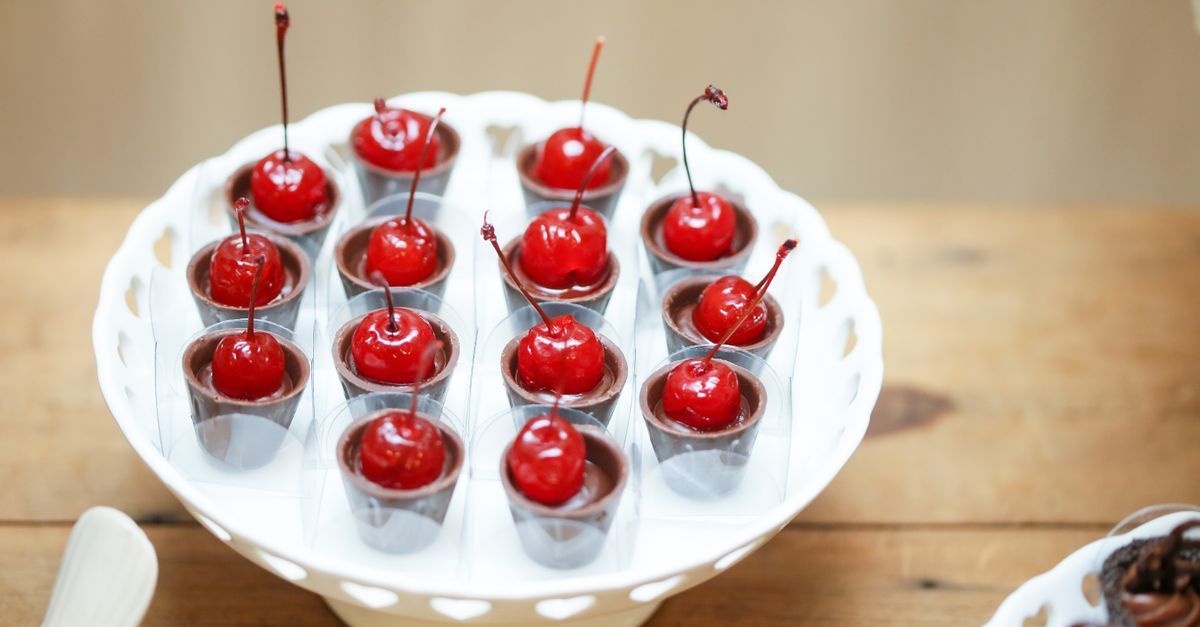
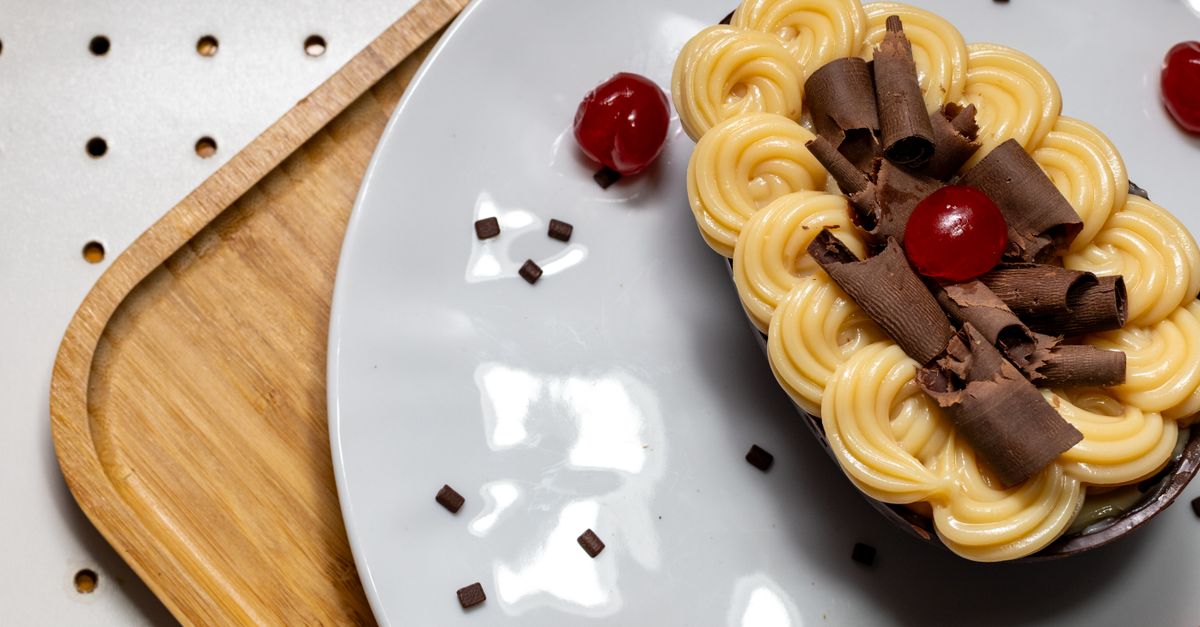
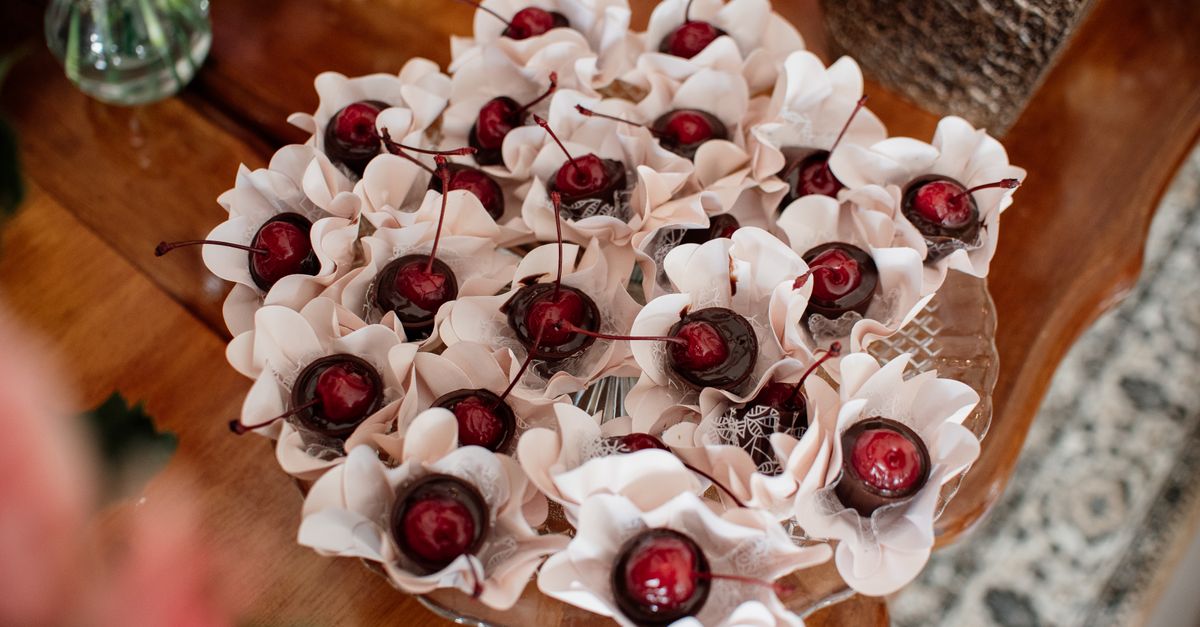
Imagine standing in the cobblestone streets of Óbidos, Portugal, where the air is filled with the scent of sweet cherries and chocolate. Here, you sip on Ginjinha, a cherry liqueur, served in an edible dark chocolate cup. Each sip is a blend of tart cherries and the smooth bitterness of chocolate, creating a harmonious dance of flavors on your palate. This treat costs around EUR 1.50-2 (about $1.70-2.30), making it an affordable enjoynce for anyone exploring this medieval town. For those considering a longer stay in Portugal, this is a taste of the everyday pleasures that await.
The Story Behind the Dish
Ginjinha, or simply Ginja, has its roots in the 19th century when a Galician monk in Lisbon first infused sour cherries in alcohol. The drink quickly gained popularity, spreading to various parts of Portugal, including Óbidos, which has become synonymous with this cherry liqueur. The town's twist of serving it in a chocolate cup adds a layer of decadence and has become a signature experience for visitors. This tradition speaks to Portugal's creativity in enhancing simple pleasures and reflects the country's love for both cherries and chocolate.
How Locals Eat It
Locals in Óbidos often enjoy Ginjinha as a mid-afternoon treat or an after-dinner digestif. It's common to see residents and visitors alike standing outside small shops, enjoying the liqueur while chatting with friends. The chocolate cup is not just a novelty; it enhances the flavor, creating a sweet and slightly bitter contrast to the cherry's tartness. For an traditional experience, try sipping the liqueur slowly, allowing the chocolate to melt slightly before biting into it. This leisurely approach mirrors the Portuguese way of life, where moments are enjoyed and time seems to slow down.
Where to Find It
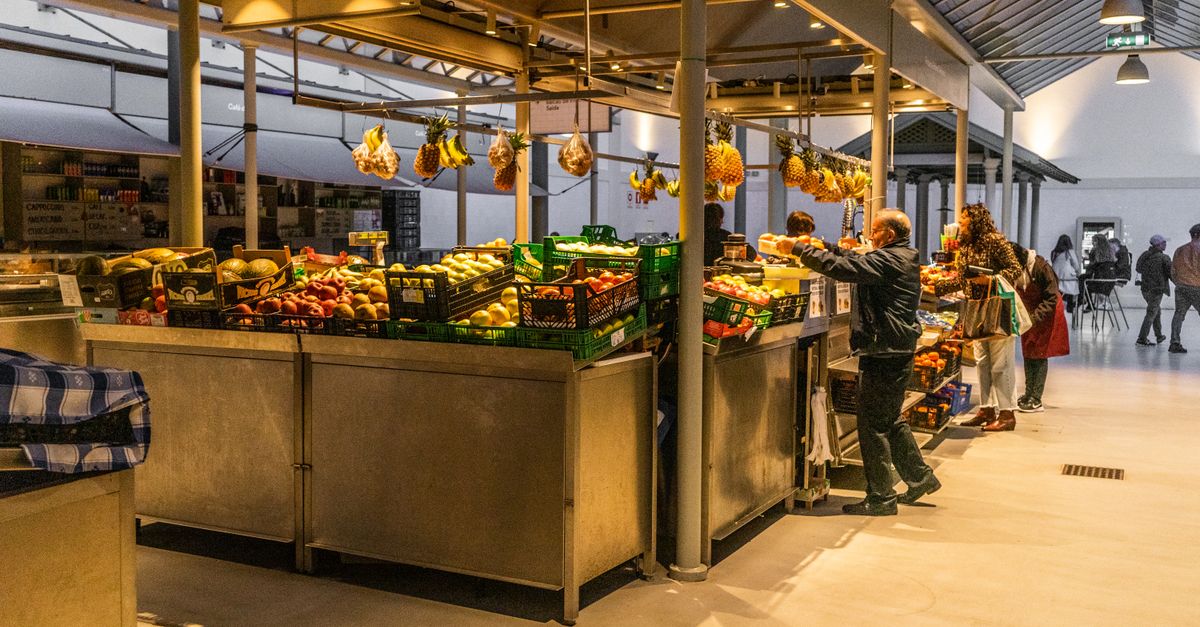
In Óbidos, Ginjinha is ubiquitous. You can find it in small, family-run shops along the main street, Rua Direita, or at market stalls during local festivals. These shops often have a rustic charm, with wooden counters and shelves lined with bottles of Ginja. For those looking to bring a taste of Óbidos home, many shops sell bottles of the liqueur along with packs of chocolate cups. If you're considering a longer stay, you'll find that local supermarkets also stock Ginja, allowing you to enjoy this treat from the comfort of your temporary home.
Regional Variations
While Óbidos is famed for its chocolate-cup presentation, Ginjinha is enjoyed throughout Portugal in various forms. In Lisbon, the drink is typically served in a small glass, often with a piece of soaked cherry at the bottom. Some regions may offer a spicier version, infused with cinnamon or other spices, adding a warm depth to the liqueur. The choice of cherry can also vary, with some areas using sweeter varieties that result in a less tart drink. Each variation offers a distinct taste, reflecting the diverse food landscape of Portugal.
Cost, Portions, and Ordering Tips
Ginjinha in Óbidos is reasonably priced, with a single serving in a chocolate cup costing around EUR 1.50-2 (about $1.70-2.30). For those wanting a larger portion, some shops offer a double serving for a slight increase in price. When ordering, simply ask for "uma Ginjinha com copo de chocolate," and you'll be handed a small, delightful treat. If you're planning to enjoy Ginja at home, a bottle typically costs EUR 10-15 (about $11-17), making it an affordable addition to your pantry.
What to Know Before You Try It
Before indulging in Ginjinha, it's helpful to know that the liqueur is quite potent, with an alcohol content of around 18-20%. It's best enjoyed in moderation, especially if you're planning to explore more of Óbidos' streets. The chocolate cup can be a bit messy as it melts, so be prepared with a napkin. Also, keep in mind that while the drink is sweet, it can be quite strong for those unaccustomed to liqueurs. Embrace the experience as part of the local culture, where enjoying a small enjoynce is a cherished tradition.
Common Mistakes Visitors Make
One common mistake visitors make is rushing through the experience. Ginjinha is meant to be enjoyed slowly, not downed like a shot. Another is not eating the chocolate cup, which is an integral part of the experience. Some visitors also miss out on trying different variations, sticking only to the chocolate-cup version. Lastly, buying Ginjinha from tourist-centric shops can be pricier; look for local markets or smaller shops for more traditional and reasonably priced options.
Frequently Asked Questions
What is Ginjinha made from?
Ginjinha is made by infusing sour cherries, known as ginja, in alcohol, typically aguardente, along with sugar and sometimes spices like cinnamon.
Can I buy Ginjinha outside of Portugal?
Yes, Ginjinha can be found in specialty liquor stores outside of Portugal, although the chocolate cups may be harder to come by.
Is Ginjinha gluten-free?
The liqueur itself is gluten-free, but if you have dietary restrictions, check the chocolate cup ingredients as some may contain gluten.
How should I store Ginjinha?
Store Ginjinha in a cool, dark place. Once opened, it's best consumed within a few months to maintain its flavor.
Related Golden Horizons Guides
- Best Countries to Retire Abroad on a Budget
- Healthcare Abroad for American Retirees
- Retiring Abroad Checklist for Americans
- Visa Rules for Americans Retiring Abroad
About Golden Horizons
Golden Horizons is the retirement abroad magazine for Americans who aren't done yet.
Final Bite
Ginjinha in a chocolate cup is more than just a drink; it's a taste of Portuguese culture and a glimpse into the leisurely pace of life in Óbidos. For those thinking about spending more time in Portugal, this simple pleasure is a perfect example of the everyday delights that make the country so appealing. Consider visiting Óbidos to experience it firsthand, and see if this town might just feel like home.