Quick Taste
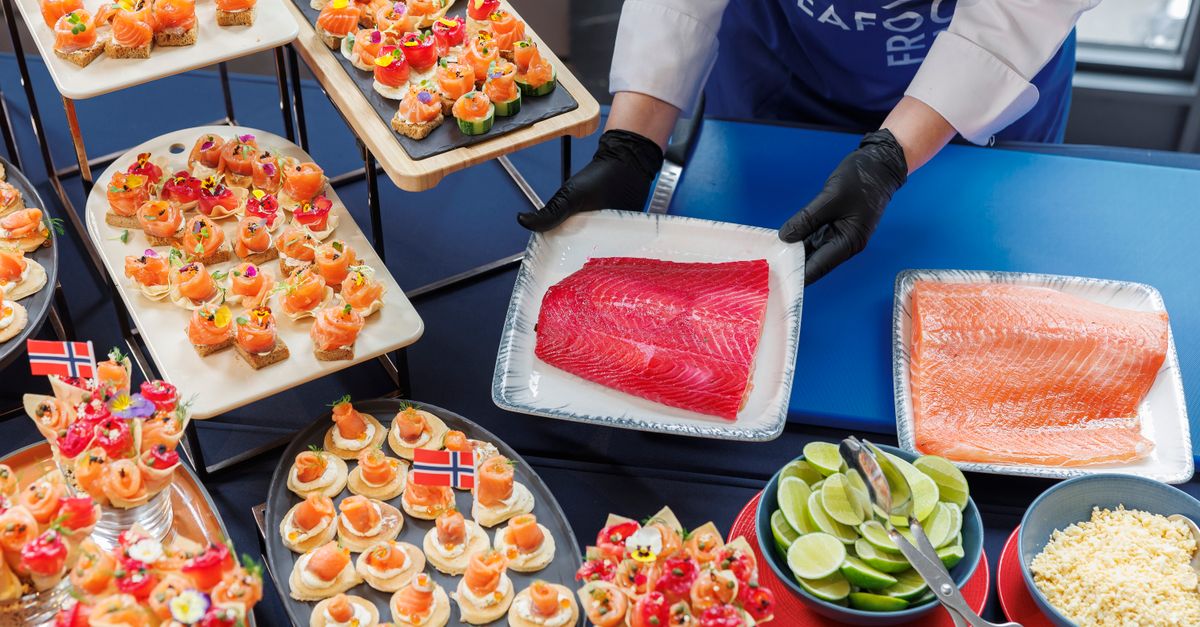
Salmon in Norway is a celebrated staple with a delicate, buttery texture and a mild, slightly sweet flavor. Oslo is better for convenience and variety, while Bergen is better for traditional flavor and larger portions. In Norway, seafood is an integral part of the food landscape, with the cold, clear waters of the fjords providing an abundance of fresh fish and shellfish. Visitors will encounter a range of seafood dishes, from simple smoked salmon to elaborate fish stews, each highlighting the freshness and quality of Norwegian produce. Salmon, in particular, is often served raw, smoked, or cured, and is typically accompanied by potatoes, dill, and a light mustard sauce. Variations include gravlaks, a cured salmon dish, and rakfisk, a fermented fish delicacy that might be an acquired taste for some.

Norwegian seafood matters not only for its taste but also for its cultural significance, reflecting the country's maritime heritage. For a visitor, the initial encounter with Norwegian seafood might be at a local market or a seaside restaurant where the freshness of the ingredients is evident. The texture of the fish is often firm yet tender, and the dishes are usually served at a moderate temperature, allowing the natural flavors to shine. Key variations include the use of different curing methods and the addition of local herbs and spices, which can alter the flavor profile significantly. First-time visitors should be prepared for a wide range of flavors, from the subtle sweetness of fresh salmon to the intense, tangy notes of fermented fish.
The Story Behind the Dish
The history of salmon and seafood in Norway is deeply intertwined with the country's geography and culture. The fjords, with their deep, cold waters, provide an ideal environment for salmon and other fish to thrive. Fishing has been a vital part of Norwegian life for centuries, with archaeological evidence suggesting that Norwegians have been fishing these waters since the Stone Age. Salmon, in particular, has been a staple food for generations, and its preparation methods have evolved over time, reflecting changes in technology and taste.
In the past, Norwegians relied heavily on preservation techniques such as smoking and curing to ensure a steady supply of fish throughout the year. These methods not only extended the shelf life of the fish but also enhanced its flavor, leading to the development of dishes like gravlaks. Today, these traditional methods are still in use, although modern refrigeration and transportation have made fresh seafood more accessible. The cultural significance of salmon and seafood is evident in the many festivals and events dedicated to these foods, celebrating both their historical importance and their role in contemporary Norwegian cuisine.
How Locals Eat It
Norwegians enjoy seafood in a variety of ways, often incorporating it into their daily meals. Salmon is a favorite, commonly served as part of a traditional Norwegian breakfast alongside eggs and crispbread. Smoked salmon is a popular choice for sandwiches and salads, while gravlaks is often served as an appetizer with mustard sauce and dill. Locals appreciate the simplicity of these dishes, allowing the quality of the fish to take center stage.

In addition to salmon, Norwegians consume a wide range of seafood, including cod, herring, and shellfish. Fish soups and stews are common, particularly in coastal areas, where the catch of the day dictates the menu. These hearty dishes often feature root vegetables and herbs, providing a comforting meal during the colder months. For a more casual dining experience, locals might visit a fish market or a seaside shack, where freshly caught seafood is prepared on the spot. This informal setting allows diners to enjoy their meal while taking in the striking views of the fjords.
Where to Find It
Norwegian seafood can be found throughout the country, from lively city markets to remote coastal villages. In Oslo, the Mathallen Food Hall is a popular destination for seafood enthusiasts, offering a wide selection of fresh fish and shellfish. Here, visitors can sample a variety of dishes, from traditional gravlaks to more contemporary creations. Bergen, known as the "Gateway to the Fjords," is another excellent location for seafood, with its famous fish market offering an array of local delicacies.

For those seeking a more immersive experience, a visit to a coastal village such as Ålesund or Lofoten is highly recommended. These areas are renowned for their fishing heritage and offer a glimpse into the traditional methods of seafood preparation. Many local restaurants and eateries in these regions pride themselves on using only the freshest ingredients, sourced directly from the surrounding waters. Visitors can expect to find an array of seafood dishes, each showcasing the unique flavors of the region.
City vs. Countryside Flavor
The flavor of Norwegian seafood can vary significantly between urban and rural areas, influenced by local ingredients and preparation methods. In cities like Oslo and Bergen, the focus is often on convenience and variety, with many restaurants offering a wide range of seafood dishes that cater to diverse tastes. These urban centers are also home to a number of innovative chefs who experiment with modern techniques and international flavors, resulting in unique culinary creations.
In contrast, the countryside offers a more traditional approach to seafood, with a focus on preserving the traditional flavors of the fish. Coastal villages and rural areas often rely on time-honored methods of preparation, such as smoking and curing, to enhance the natural taste of the seafood. The use of local herbs and spices further distinguishes these dishes, providing a distinct flavor profile that reflects the region's food heritage. For those seeking a more traditional taste of Norway, the countryside is the ideal destination.
Cost, Portions, and Ordering Tips
The cost of seafood in Norway can vary depending on the location and the type of dish. In general, dining in urban areas tends to be more expensive, with prices for a seafood meal ranging from 150 to 300 NOK. However, the quality and freshness of the ingredients often justify the higher cost. In rural areas, prices may be slightly lower, but the emphasis remains on quality and traditionality.
When ordering seafood in Norway, it's important to consider portion sizes, which can be quite generous. Many dishes are designed to be shared, making them ideal for group dining. For those with dietary restrictions, it's advisable to inform the server, as many restaurants are accommodating and can offer alternative options. To ensure the best experience, visitors should seek out establishments that prioritize fresh, locally sourced ingredients, as these are likely to offer the most traditional taste of Norwegian seafood.
What to Know Before You Try It
Before diving into Norwegian seafood, it's helpful to be aware of a few key points. First, the freshness of the ingredients is paramount, so it's best to choose dishes that highlight the natural flavors of the fish. Additionally, some traditional dishes, such as rakfisk, may have strong flavors that are not to everyone's taste. It's worth trying these dishes with an open mind, but don't hesitate to ask for recommendations if you're unsure.
Allergies and dietary restrictions should also be taken into account, as seafood is a common allergen. Many restaurants are mindful of this and can provide alternative options if needed. It's also important to note that Norwegian seafood is often served with minimal seasoning, allowing the quality of the fish to shine. This simplicity is a hallmark of the cuisine and is something to be appreciated.
Common Mistakes Visitors Make
One common mistake visitors make when trying Norwegian seafood is not being adventurous enough. While it's understandable to gravitate towards familiar dishes, the real joy of Norwegian cuisine lies in its variety and uniqueness. It's worth stepping out of your comfort zone to experience the full range of flavors on offer.
Another mistake is overlooking the importance of freshness. In Norway, the quality of the seafood is paramount, and choosing dishes that emphasize this freshness will enhance your dining experience. Visitors should also be mindful of portion sizes, as Norwegian meals can be quite generous. Sharing dishes is a great way to sample a variety of flavors without overindulging.
Frequently Asked Questions
What is the best way to enjoy Norwegian salmon?
The best way to enjoy Norwegian salmon is to try it in its various forms, such as smoked, cured (gravlaks), or raw. Each preparation method highlights different aspects of the fish's flavor and texture. Pairing salmon with traditional accompaniments like dill and mustard sauce can enhance the experience.
Are there any seafood festivals in Norway?
Yes, Norway hosts several seafood festivals throughout the year, celebrating the country's maritime heritage. The Bergen Seafood Festival and the Lofoten Fish Festival are popular events where visitors can sample a wide range of seafood dishes and learn about traditional fishing methods.
How can I tell if the seafood is fresh?
Fresh seafood in Norway should have a clean, ocean-like smell and firm, translucent flesh. When dining out, look for restaurants that source their ingredients locally and have a reputation for quality. Visiting local markets is also a great way to ensure you're getting the freshest catch.
Is Norwegian seafood sustainable?
Norway is committed to sustainable fishing practices, with strict regulations in place to protect fish stocks and the marine environment. The country is a leader in aquaculture, ensuring that its seafood industry is both environmentally and economically sustainable.
Related Golden Horizons Guides
- Best Countries to Retire Abroad on a Budget
- Healthcare Abroad for American Retirees
- Retiring Abroad Checklist for Americans
- Visa Rules for Americans Retiring Abroad
About Golden Horizons
Golden Horizons is the retirement abroad magazine for Americans who aren’t done yet.
Final Bite
Norwegian seafood offers a delightful taste of the country's maritime heritage, with salmon and other fish playing a central role in the cuisine. Whether you're enjoying a simple smoked salmon sandwich in Oslo or enjoying a hearty fish stew in a coastal village, the emphasis is always on freshness and quality. By embracing the variety of flavors and preparation methods, visitors can gain a deeper appreciation for Norway's food traditions and the natural bounty of its fjords. Remember to be adventurous, seek out local recommendations, and savor the unique tastes of this Nordic nation.