Quick Taste
Dutch market snacks and everyday comfort food in the Netherlands are a delightful blend of savory and sweet treats that reflect the country's food traditions. For the best value and traditional flavor, head to local markets in smaller cities like Utrecht, where prices are more reasonable and the atmosphere is traditionalally Dutch. For convenience and newer versions, Amsterdam offers a plethora of trendy food stalls and cafés. If you're a first-time visitor, Rotterdam provides a balanced mix of both traditional and contemporary options, making it an ideal starting point for exploring Dutch cuisine.

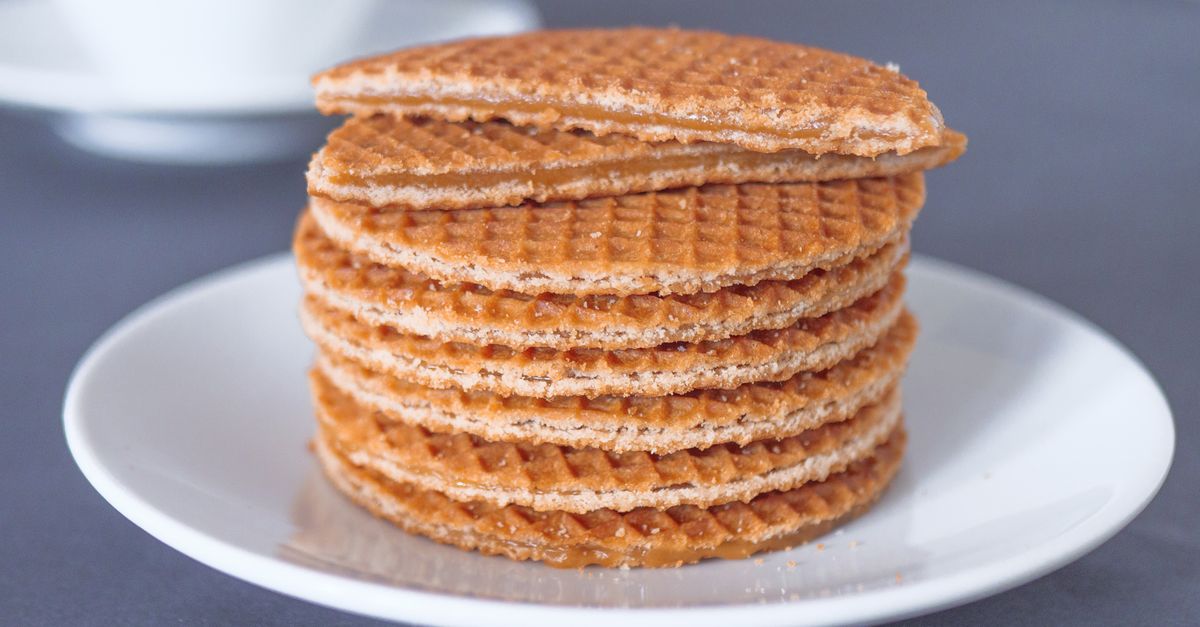
Visitors to the Netherlands will encounter a range of snacks like bitterballen, stroopwafels, and poffertjes. Bitterballen are deep-fried meatballs with a crunchy exterior and a creamy, savory filling, often served with mustard. Stroopwafels, thin waffle cookies filled with caramel syrup, offer a sweet, chewy contrast. Poffertjes are small, fluffy pancakes typically dusted with powdered sugar and butter. These snacks are often enjoyed with a warm drink and can be found in markets across the country. Variations include different fillings for bitterballen and toppings for poffertjes, catering to diverse tastes.
The Story Behind the Dish
The Netherlands is known for its market culture, where locals and tourists alike gather to enjoy a variety of snacks and comfort foods. These markets are a testament to the country's agricultural heritage and its long-standing trade history. Traditional Dutch snacks like stroopwafels, poffertjes, and bitterballen have been enjoyed for generations, each with its own story. Stroopwafels, for example, originated in the city of Gouda in the 18th century and are made by sandwiching a caramel syrup between two thin waffles. Poffertjes, small fluffy pancakes, are often served with butter and powdered sugar and trace their roots back to the 19th century. Bitterballen, deep-fried meatballs, are a staple in Dutch pubs and are said to have been inspired by the Spanish tapas during the Eighty Years' War.
Bitterballen have roots in the 17th century, when they were created as a way to use leftover meat. The crispy exterior and creamy interior made them an instant favorite among locals. Stroopwafels originated in the city of Gouda in the late 18th century. Initially made from leftover crumbs and syrup, they became a popular treat due to their sweet, chewy texture. Poffertjes, on the other hand, have been a staple in Dutch households since the 19th century. Originally made with buckwheat flour, these mini pancakes were a festive treat, often served during holidays and special occasions. Today, they are enjoyed year-round and have become synonymous with Dutch comfort food.
How Locals Eat It
Dutch snacks and comfort foods are typically enjoyed casually, often as street food or at home with family and friends. Stroopwafels are a common treat with coffee or tea, while poffertjes are often eaten as a sweet snack or dessert. Bitterballen are popular in pubs, served with mustard as a savory snack to accompany a beer. Locals enjoy these foods throughout the day, whether grabbing a quick bite at a market stall or sitting down for a leisurely meal at a café. Pairing these snacks with local drinks like jenever, a traditional Dutch gin, or a refreshing glass of Dutch beer enhances the experience.

In the Netherlands, market snacks and comfort foods are integral to daily life. Locals often grab a quick bite at markets during lunch breaks or while running errands. Bitterballen are typically enjoyed as a savory snack in the afternoon or as a side dish with a cold beer at local pubs. They are best eaten hot, with a generous dollop of mustard on the side. Stroopwafels are a popular choice for breakfast or as an afternoon treat with coffee or tea. Many Dutch people enjoy placing the waffle over their hot drink to let the caramel melt slightly, enhancing its flavor. Poffertjes are often served as a sweet treat at fairs and markets, but they are also a comforting dessert at home. Topped with butter and powdered sugar, they are a nostalgic reminder of childhood for many Dutch families.
Where to Find It
Visitors can find Dutch market snacks and comfort foods in various locations across the Netherlands. Markets like the Albert Cuyp Market in Amsterdam, the Markthal in Rotterdam, and the Vredenburg Market in Utrecht are excellent places to start. These markets offer a wide range of stalls selling everything from fresh produce to artisanal snacks. In addition to markets, many cafés and bakeries throughout the country serve traditional Dutch treats. For a more traditional experience, venture into smaller towns where family-run stalls and local eateries provide a genuine taste of Dutch food culture.

Dutch market snacks are widely available throughout the Netherlands, with city markets offering a convenient place for visitors to sample these treats. In Amsterdam, the Albert Cuyp Market is a popular destination, featuring numerous stalls selling everything from fresh produce to hot snacks. Here, visitors can find freshly made stroopwafels and poffertjes, prepared right in front of their eyes. In Rotterdam, the Markthal is a modern food market that combines traditional Dutch snacks with international cuisine. It’s an excellent place to try different variations of bitterballen, including those filled with cheese or mushrooms. For a more traditional experience, the countryside markets in towns like Gouda or Alkmaar offer a taste of old-style flavors, with vendors often using family recipes passed down through generations.
City vs. Countryside Flavor
In the Netherlands, the flavor and experience of market snacks can vary between cities and the countryside. Urban areas like Amsterdam and Rotterdam offer a newer take on traditional snacks, with innovative flavors and fusion dishes. These cities are ideal for those seeking convenience and a diverse range of options. In contrast, the countryside and smaller towns provide a more traditional experience, with recipes passed down through generations and a focus on local ingredients. Here, visitors can enjoy larger portions and a more relaxed atmosphere, often at a lower cost than in the city.
The flavors of Dutch market snacks can vary significantly between city and countryside settings. In urban areas, markets tend to offer a wider variety of snacks, often with newer takes to cater to diverse palates. For instance, in cities like Amsterdam and Rotterdam, it’s common to find bitterballen with unique fillings such as truffle or spicy peppers, reflecting the cosmopolitan nature of these areas. In contrast, countryside markets maintain a more traditional approach, focusing on classic recipes and time-honored techniques. In smaller towns and rural areas, bitterballen are typically made with beef or veal, staying true to their original recipes. Similarly, stroopwafels in the countryside might be thicker and chewier, reminiscent of their 18th-century origins. Poffertjes in rural markets are often made with buckwheat flour, giving them a distinct texture and flavor that harks back to their historical roots.
Cost, Portions, and Ordering Tips
The cost of Dutch market snacks varies depending on the location. In tourist-heavy areas like Amsterdam, prices can be higher, with stroopwafels costing around €2–€3 each, while poffertjes and bitterballen might range from €4–€7 per portion. In smaller towns, prices tend to be more affordable. Portions are generally generous, especially for poffertjes and bitterballen, which are often shared. When ordering, it's helpful to know a few Dutch phrases like "Een stroopwafel, alstublieft" (One stroopwafel, please) or "Een portie bitterballen, alstublieft" (A portion of bitterballen, please). Cash is commonly used in markets, but many stalls now accept cards.
When it comes to cost, Dutch market snacks are generally affordable, making them an excellent choice for budget-conscious travelers. A portion of bitterballen typically costs between €3 and €5, depending on the market and location. Stroopwafels are often sold individually or in packs, with prices ranging from €1 to €4. Poffertjes are usually sold in portions of ten to fifteen, costing around €3 to €6. Portion sizes can vary, so it’s wise to observe locals and see how much they order. When ordering bitterballen, it’s common to request a portion of six or eight, which is perfect for sharing. For stroopwafels, buying a pack is a great way to enjoy them over several days. When ordering poffertjes, don’t hesitate to ask for extra butter or powdered sugar for an traditional experience.
What to Know Before You Try It
Before indulging in Dutch snacks, be mindful of potential allergens. Stroopwafels and poffertjes contain gluten and dairy, while bitterballen often include meat and wheat. Those with dietary restrictions should inquire about ingredients before ordering. Market hygiene is generally high, but it's always wise to choose stalls with a steady flow of customers, indicating fresh and popular offerings. While not overly spicy, some snacks like bitterballen may have a peppery kick, so be prepared for a bit of heat.
Before trying Dutch market snacks, it’s helpful to know a few things. First, these snacks are best enjoyed fresh, so look for stalls where they are made to order. This ensures you get the full flavor and texture that makes them so popular. Additionally, while most market snacks are safe for consumption, those with dietary restrictions should check for allergens, as bitterballen often contain dairy and gluten. For those watching their sugar intake, stroopwafels and poffertjes can be quite sweet, so moderation is key. It’s also worth noting that markets can get crowded, especially on weekends, so plan your visit accordingly. Early mornings or late afternoons are typically less busy, allowing for a more relaxed experience.
Common Mistakes Visitors Make
Visitors often make the mistake of sticking to well-known tourist markets, missing out on the traditional flavors found in smaller towns. Another common error is not trying a variety of snacks; each has its own unique taste and texture worth exploring. Overpaying is also a risk in tourist areas, so it's advisable to compare prices and opt for markets frequented by locals. Lastly, many visitors overlook the importance of pairing snacks with local drinks, which can significantly enhance the dining experience.
One common mistake visitors make is not trying a variety of snacks. While it’s tempting to stick to familiar foods, exploring different market offerings can lead to delightful findies. Another mistake is not eating snacks fresh. Many Dutch market snacks are best enjoyed hot and fresh, so avoid buying them too far in advance. Visitors often overlook the importance of accompanying drinks. Bitterballen pair excellently with a cold beer, while stroopwafels and poffertjes are best enjoyed with coffee or tea. Lastly, some visitors miss out on the countryside experience, where traditional flavors and larger portions offer a different perspective on Dutch market snacks.
Frequently Asked Questions
What does a stroopwafel taste like?
A stroopwafel is sweet and chewy, with a rich caramel flavor sandwiched between two thin, crisp waffles.
How much do poffertjes usually cost?
Poffertjes typically cost between €4 and €7 per portion, depending on the location and toppings.
Where is the best place to try bitterballen?
For traditional flavor, try bitterballen in a local pub in Utrecht or a family-run stall in a smaller town.
What should I order with Dutch snacks?
Pair Dutch snacks with a local beer or jenever for a complete and traditional experience.
Related Golden Horizons Guides
- Best Countries to Retire Abroad on a Budget
- Healthcare Abroad for American Retirees
- Retiring Abroad Checklist for Americans
- Visa Rules for Americans Retiring Abroad
About Golden Horizons
Golden Horizons is the retirement abroad magazine for Americans who aren’t done yet.
Final Bite
Dutch market snacks and comfort foods offer a delicious glimpse into the Netherlands' food heritage. From sweet stroopwafels to savory bitterballen, these treats reveal the country's love for simple yet flavorful foods. Ideal for food enthusiasts and curious travelers, these snacks provide a taste of everyday Dutch life, best enjoyed in the popular settings of local markets and cafés. Whether you're a first-time visitor or a seasoned traveler, diving into the world of Dutch snacks is a rewarding experience that shouldn't be missed.