Quick Taste
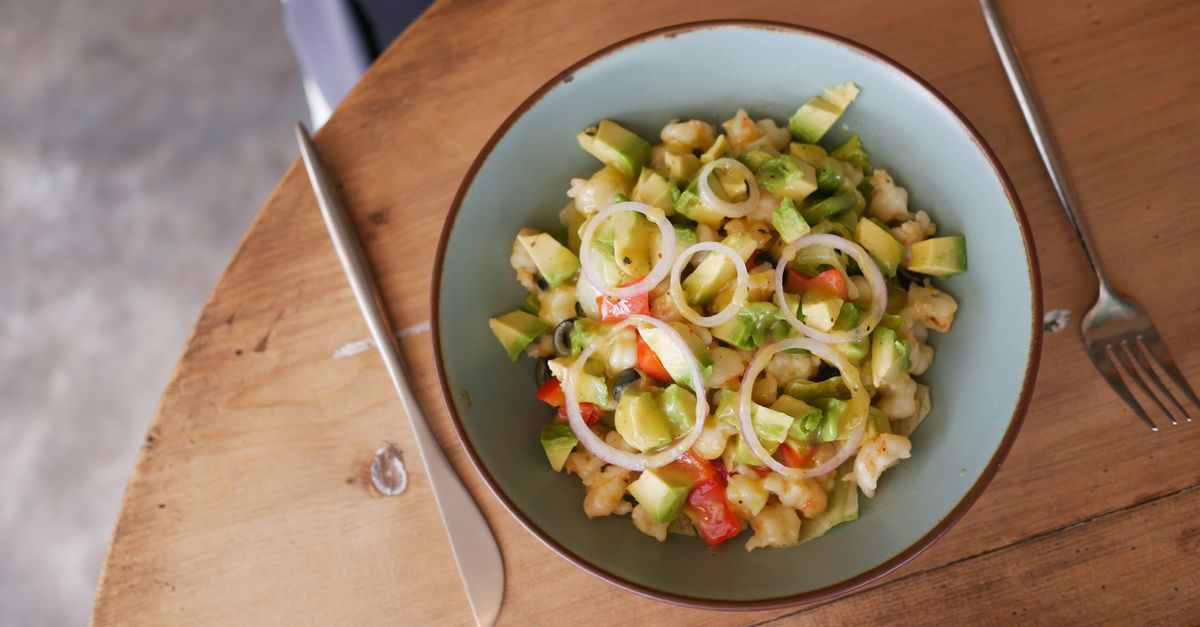
In the heart of Cuenca, Ecuador, as the morning mist begins to lift, locals gather at lively market stalls to enjoy mote pillo. This comforting dish combines tender hominy corn with scrambled eggs, often seasoned with scallions and a hint of garlic. The texture is a delightful contrast of creamy eggs and the chewy bite of corn. Typically served warm, it’s a hearty breakfast that pairs beautifully with a cup of strong Ecuadorian coffee. For around $2 to $3, you can enjoy this filling dish, which offers a taste of everyday life in the Andean highlands.
The Story Behind the Dish
Mote pillo is a dish deeply rooted in Andean culture, tracing back to the indigenous peoples who cultivated maize long before the Spanish arrived. The word "mote" refers to the boiled corn kernels, a staple in the Andean diet, while "pillo" describes the scrambled eggs. This dish reflects the resourcefulness of Andean cooking, using simple, locally available ingredients to create something nourishing and satisfying. Over time, mote pillo has become a cherished breakfast staple, valued for its ability to provide energy for a day of work or exploration in the high-altitude regions.
How Locals Eat It
In Cuenca, locals often enjoy mote pillo as a mid-morning meal, sometimes accompanied by a slice of fresh cheese or avocado. It's common to see people gathered around small eateries or market stalls, chatting and enjoying their plates of mote pillo. The dish is typically seasoned with a pinch of achiote, giving it a subtle earthy flavor and a golden hue. For those who prefer a bit of heat, a drizzle of ají sauce adds a spicy kick. Eating mote pillo is as much about the social experience as it is about the food itself, a moment to pause and connect with the community.
Where to Find It
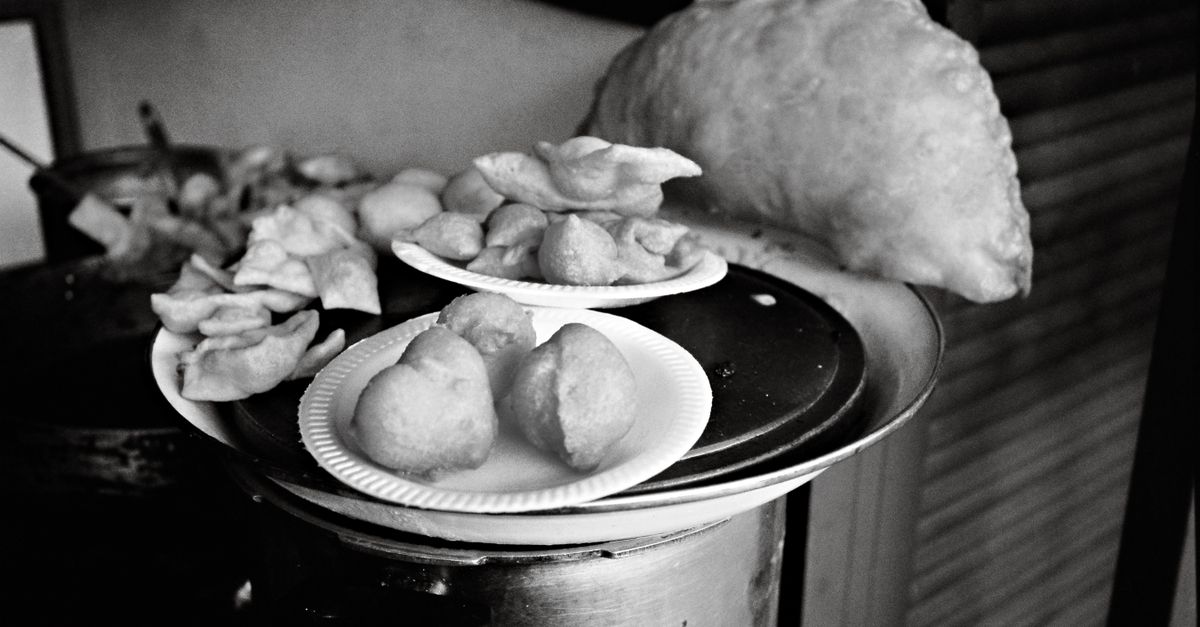
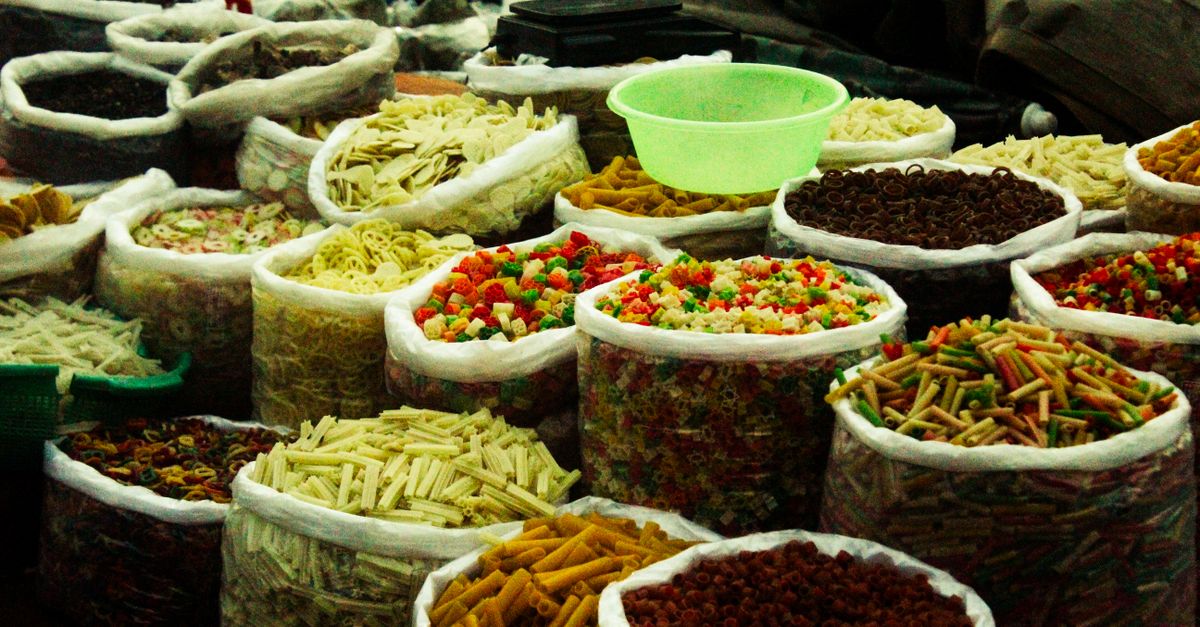
To experience mote pillo like a local, head to the lively markets of Cuenca, such as the Mercado 10 de Agosto, where vendors prepare it fresh each morning. Here, you can watch as they expertly scramble eggs into the steaming mote, infusing the dish with the aroma of fresh herbs and spices. For those considering a longer stay in Cuenca, local supermarkets sell pre-cooked mote, making it easy to recreate this dish at home. While some cafes and restaurants in the city center offer mote pillo, the most traditional and affordable versions are found in these lively market settings.
Regional Variations
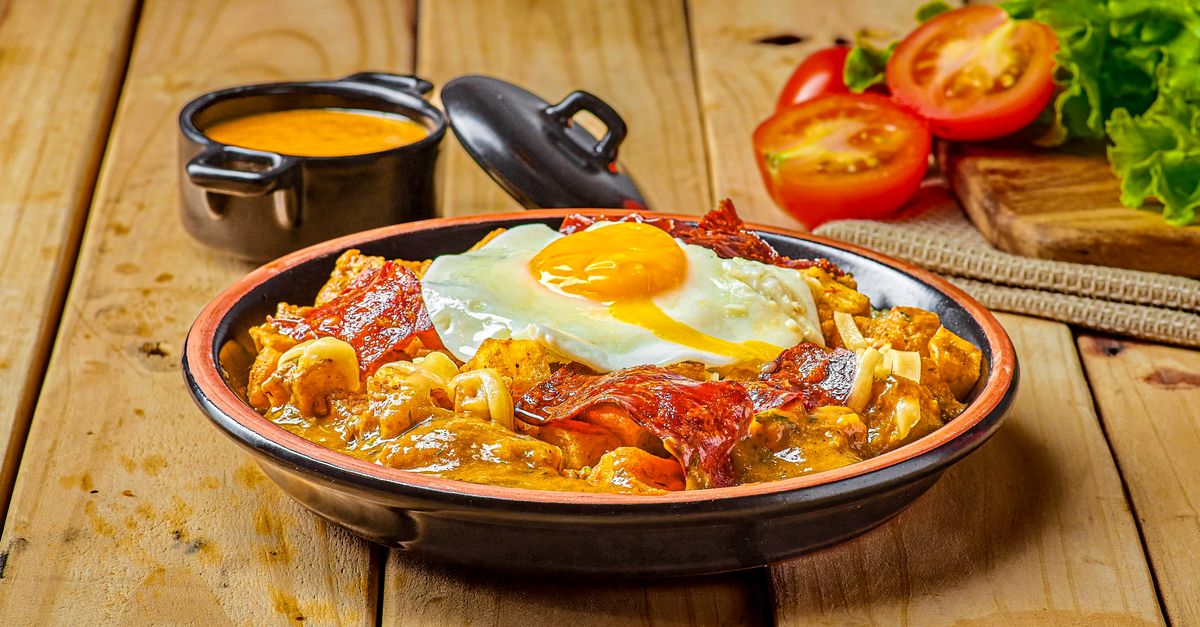
While mote pillo is a staple in Cuenca, variations of the dish can be found across the Andean region. In some areas, cooks add chorizo or bacon for a heartier version, while others might incorporate fresh herbs like cilantro or parsley for added freshness. In the northern highlands, mote sucio is a popular variation, where the corn is sautéed with pork fat before being mixed with eggs. Each region adds its own twist, reflecting local tastes and available ingredients. However, the core elements of corn and eggs remain consistent, celebrating the simplicity and versatility of Andean cooking.
Cost, Portions, and Ordering Tips
A typical serving of mote pillo in Cuenca will cost you between $2 and $3, making it an affordable breakfast option. Portions are generous, often enough to keep you satisfied until lunchtime. When ordering, don’t hesitate to ask for additional toppings like cheese or avocado, which may come at a small extra cost. If you’re dining at a market stall, it’s perfectly acceptable to share a table with locals, which can lead to interesting conversations and insights into the daily life of Cuenca. For those cooking at home, a bag of pre-cooked mote costs around $1, making it an economical choice for a homemade meal.
What to Know Before You Try It
Before diving into a plate of mote pillo, it’s helpful to know that the dish is traditionally served warm and is meant to be eaten with a spoon. The texture can be quite filling, so it’s a good idea to pace yourself, especially if you’re not accustomed to a hearty breakfast. While mote pillo is generally mild in flavor, the addition of ají sauce can significantly increase the heat, so use it sparingly if you’re sensitive to spice. Lastly, remember that the dish is deeply connected to the region’s agricultural heritage, offering a taste of the Andean way of life.
Common Mistakes Visitors Make
One common mistake visitors make is expecting mote pillo to be available all day. In Cuenca, it’s primarily a breakfast dish, so it’s best to seek it out in the morning. Another error is underestimating its heartiness; mote pillo is quite filling, so ordering additional dishes might lead to an overly large meal. Some tourists also miss out on the social aspect by opting for a restaurant instead of a market stall, where the atmosphere is more lively and genuine. Finally, be cautious with the ají sauce if you’re not used to spicy foods, as it can be quite potent.
Frequently Asked Questions
What is the main ingredient in mote pillo?
The main ingredient in mote pillo is mote, which is boiled hominy corn. It is combined with scrambled eggs to create a hearty and nutritious dish.
Can mote pillo be made vegetarian?
Yes, mote pillo is naturally vegetarian, as it consists mainly of corn and eggs. However, some variations may include meat, so it's best to check before ordering.
Is mote pillo gluten-free?
Mote pillo is generally gluten-free, as it is made from corn and eggs. However, always verify with the vendor or restaurant to ensure no gluten-containing ingredients are added.
What time of day is best to eat mote pillo?
Mote pillo is traditionally eaten as a breakfast dish, so the best time to enjoy it is in the morning, usually between 7:00 and 10:00 AM.
Related Golden Horizons Guides
- Best Countries to Retire Abroad on a Budget
- Healthcare Abroad for American Retirees
- Retiring Abroad Checklist for Americans
- Visa Rules for Americans Retiring Abroad
About Golden Horizons
Golden Horizons is the retirement abroad magazine for Americans who aren't done yet.
Final Bite
Mote pillo offers a delicious glimpse into the everyday life of Cuenca, combining simple ingredients with cultural heritage. For those considering a longer stay in Ecuador, this dish is an example of the kind of local experience worth enjoying. Before making any decisions about retirement abroad, why not start with a breakfast that captures the essence of the Andean highlands?