Quick Taste
Dining by the Bay of Kotor in Montenegro offers a dining experience centered on fresh seafood and Mediterranean flavors. The bay area is renowned for its traditional flavors and fresh seafood, while the city of Kotor provides convenience and newer versions. For those seeking larger portions, the countryside around the bay is ideal, whereas Kotor city offers lighter options and is better suited for first-time visitors due to its accessibility.

The significance of eating by the Bay of Kotor extends beyond the food itself; it is a cultural experience that reflects the region's maritime heritage. Visitors will encounter a variety of seafood dishes, from octopus salad to black risotto made with cuttlefish ink. These dishes are often served with freshly baked bread and a side of olive oil for dipping. Variations may include grilled fish or seafood pasta, all prepared with a minimalist approach that highlights freshness. For first-time visitors, starting with a seafood platter is advisable to sample a bit of everything. The texture of the seafood is typically tender, and the temperature is served warm, ensuring a comforting meal that is both filling and flavorful.
The Story Behind the Dish
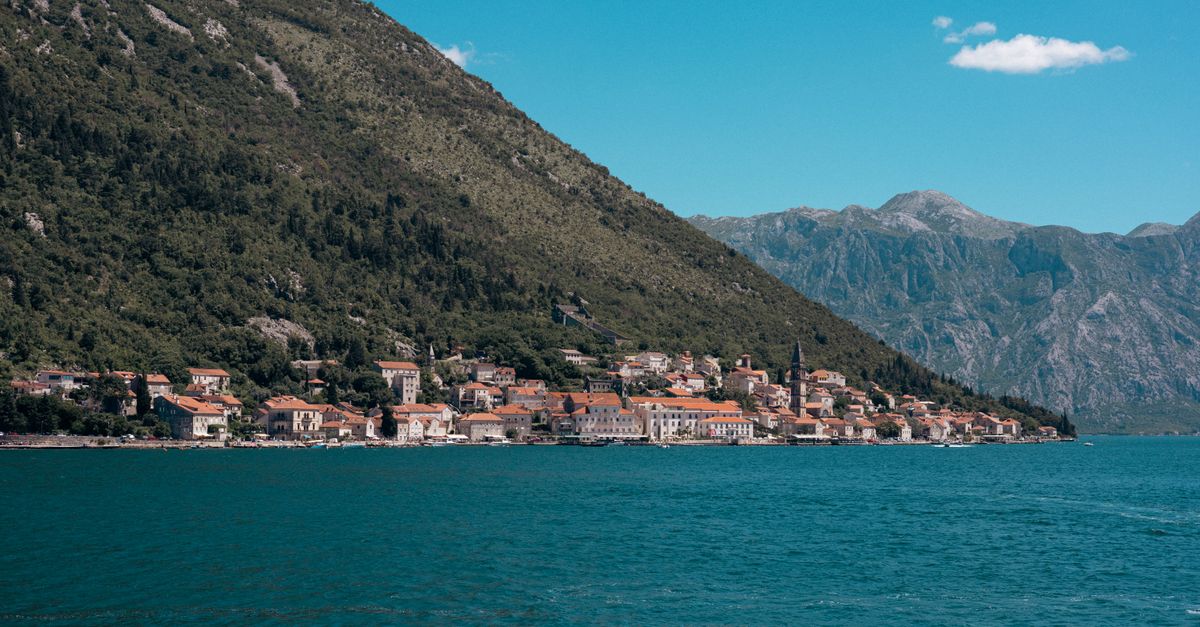
The Bay of Kotor, often referred to as Boka Kotorska, is a striking fjord-like bay on the Adriatic coast. Its food traditions are deeply rooted in the region's history, influenced by Mediterranean and Balkan cuisines. The bay's proximity to the sea ensures a steady supply of fresh seafood, which forms the backbone of local dishes. Common ingredients include fish, shellfish, olive oil, garlic, and fresh herbs. The cultural significance of food here is tied to family gatherings and celebrations, where dishes like "buzara" (a seafood stew) and grilled fish are staples.
The preparation methods have evolved over time, blending traditional techniques with modern influences. Historically, seafood was preserved through smoking or salting, methods that are still used today but often combined with fresh herbs and local produce to create more contemporary dishes. The use of olive oil, garlic, and lemon is prevalent, adding a Mediterranean flair to the dishes. This fusion of flavors and techniques is a reflection of Montenegro's diverse cultural influences, from Venetian to Ottoman, each leaving its mark on the local gastronomy.
How Locals Eat It
Locals in the Bay of Kotor enjoy their seafood in a relaxed, communal setting, often accompanied by family and friends. Meals are typically shared, with large platters of grilled fish, calamari, and shellfish placed at the center of the table. This communal style of eating is integral to the local culture, emphasizing the importance of togetherness and hospitality.
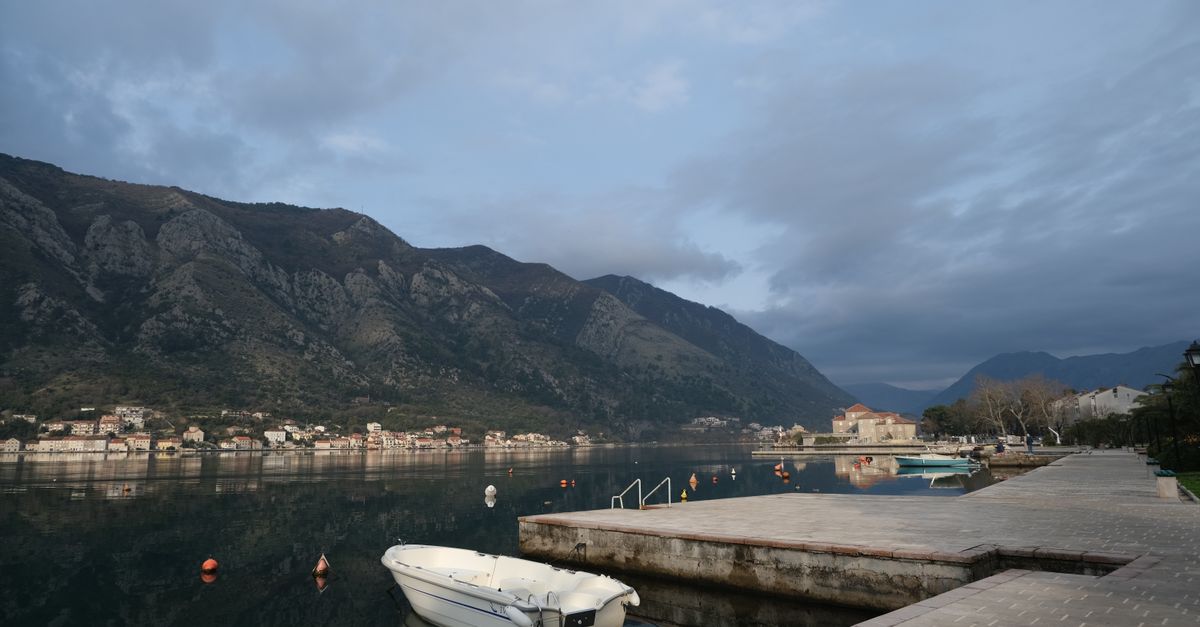
A typical meal might start with a light appetizer, such as marinated anchovies or a simple tomato and mozzarella salad, followed by the main seafood dishes. Locals often pair their meals with a glass of Vranac, a robust Montenegrin red wine, or a crisp white wine from the nearby vineyards. Desserts are usually simple, with fresh fruit or a traditional sweet like baklava to round off the meal. Eating by the bay is not just about the food; it's an experience that engages all the senses, from the sound of the waves to the scent of the sea breeze.
Where to Find It
The Bay of Kotor offers a variety of dining options, from lively markets to serene seaside restaurants. In Kotor, the Old Town is a prime spot for sampling local seafood, with numerous eateries lining its cobblestone streets. Here, you can find everything from casual taverns to upscale restaurants, each offering their take on the bay's bounty. The market in Kotor is also worth a visit, where you can purchase fresh seafood to cook yourself or simply enjoy the popular atmosphere.
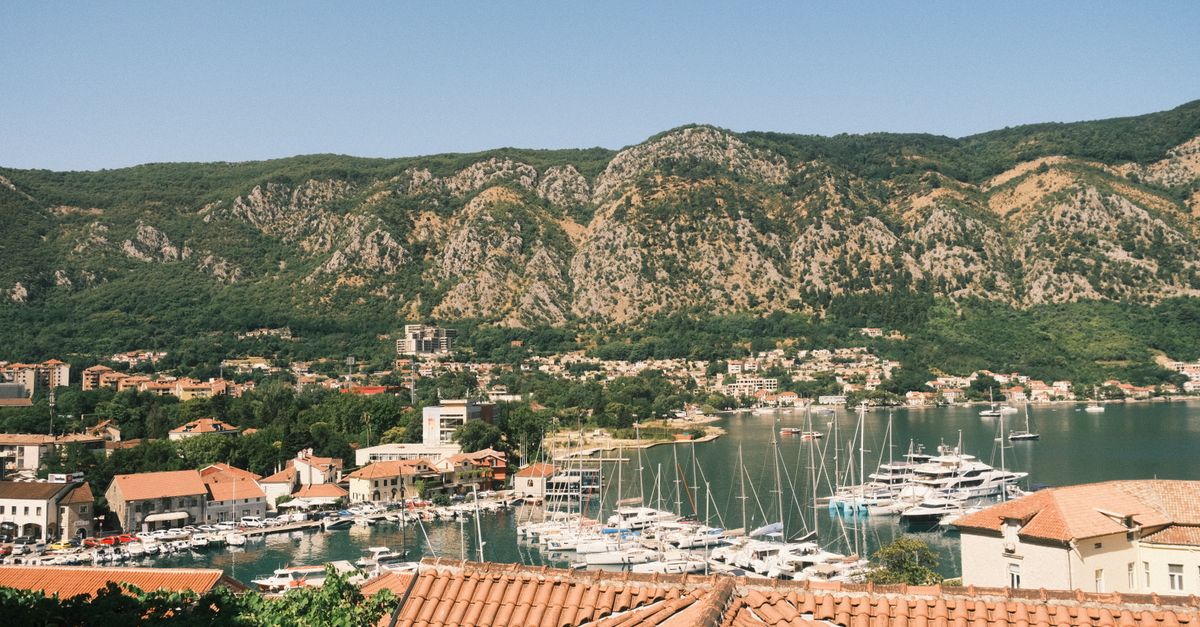
Perast, a attractive town along the bay, provides a more intimate dining experience. Many of its restaurants are situated along the waterfront, offering striking views as you dine. These establishments often specialize in seafood, with menus that highlight the freshest catches of the day. For those willing to venture further, the small village of Risan offers a more rustic setting, with family-run restaurants serving traditional Montenegrin fare.
City vs. Countryside Flavor
The dining experience in the Bay of Kotor varies significantly between the city and the countryside. In Kotor, the dining scene is more cosmopolitan, with a range of restaurants offering both traditional and contemporary dishes. The city attracts a diverse crowd, including tourists and locals, which is reflected in its varied menu offerings. Here, you can find everything from seafood risottos to innovative dishes that incorporate international flavors.
In contrast, the countryside around the bay offers a more traditional approach to dining. In smaller towns and villages, the focus is on rustic, home-cooked meals that emphasize local ingredients. These establishments often have a more limited menu, but what they lack in variety, they make up for in traditionality. The countryside is where you can truly experience the traditional flavors of Montenegrin cuisine, with dishes that have been passed down through generations. Whether you choose to dine in the city or the countryside, each offers a unique taste of the Bay of Kotor.
Cost, Portions, and Ordering Tips
The cost of dining by the Bay of Kotor varies depending on the location and type of establishment. In Kotor city, expect to pay around €15-€25 per person for a meal, while countryside options might range from €10-€20. Portions are generally generous, especially in family-run places. It's advisable to carry cash, as smaller establishments might not accept cards. When ordering, ask about the catch of the day or any seasonal specialties for the freshest experience.
When ordering, it's helpful to ask about the catch of the day, as many restaurants pride themselves on serving the freshest seafood available. If you're unsure about what to order, a seafood platter is a great way to sample a variety of dishes. It's also worth noting that many menus are available in English, making it easier for visitors to navigate. Tipping is appreciated but not mandatory, with a standard tip being around 10% of the bill.
What to Know Before You Try It
Before dining by the Bay of Kotor, it's important to be aware of a few key points. First, seafood is the star of the menu, so those with shellfish allergies should exercise caution and communicate their dietary needs to the staff. Additionally, while most restaurants accept credit cards, it's advisable to carry some cash, especially if you plan to visit smaller establishments or markets.
The dining culture in Montenegro is leisurely, so be prepared to take your time and enjoy the experience. Meals can last several hours, allowing you to savor each course at a relaxed pace. It's also common for restaurants to close in the afternoon, reopening for dinner service, so plan your meals accordingly. Finally, dress codes are generally casual, but it's always a good idea to dress neatly, especially if dining at a more upscale venue.
Common Mistakes Visitors Make
One common mistake visitors make when dining by the Bay of Kotor is overlooking the local wines. Montenegro produces some excellent wines that pair beautifully with seafood, so be sure to ask for recommendations. Another mistake is not trying the local olive oil, which is often served with bread and adds a delicious dimension to the meal.
Visitors may also underestimate the importance of reservations, particularly during the peak tourist season. Popular restaurants can fill up quickly, so it's wise to book ahead to ensure a table. Finally, some visitors may rush their meals, missing out on the leisurely dining experience that is an integral part of Montenegrin culture. Take the time to enjoy each dish and soak in the atmosphere.
Frequently Asked Questions
Is seafood better in Kotor city or the countryside?
The countryside offers more traditional flavors and larger portions, while Kotor city provides convenience and newer versions.
What does the seafood by the Bay of Kotor taste like?
Seafood here is fresh and flavorful, often seasoned with herbs, garlic, and olive oil, highlighting natural tastes.
How much does a meal by the Bay of Kotor usually cost?
In Kotor city, meals range from €15-€25 per person, while countryside options are typically €10-€20.
What should I order with seafood by the Bay of Kotor?
Pair your seafood with local wines and fresh salads for a complete dining experience.
Related Golden Horizons Guides
- Best Countries to Retire Abroad on a Budget
- Healthcare Abroad for American Retirees
- Retiring Abroad Checklist for Americans
- Visa Rules for Americans Retiring Abroad
About Golden Horizons
Golden Horizons is the retirement abroad magazine for Americans who aren’t done yet.
Final Bite
Dining by the Bay of Kotor offers a glimpse into Montenegro's food heritage, where fresh seafood and Mediterranean flavors take center stage. Whether you're a seasoned traveler or a first-time visitor, the bay's dining scene promises a memorable experience. Embrace the leisurely pace, try the local specialties, and enjoy the striking backdrop of the Adriatic coast.