Quick Taste
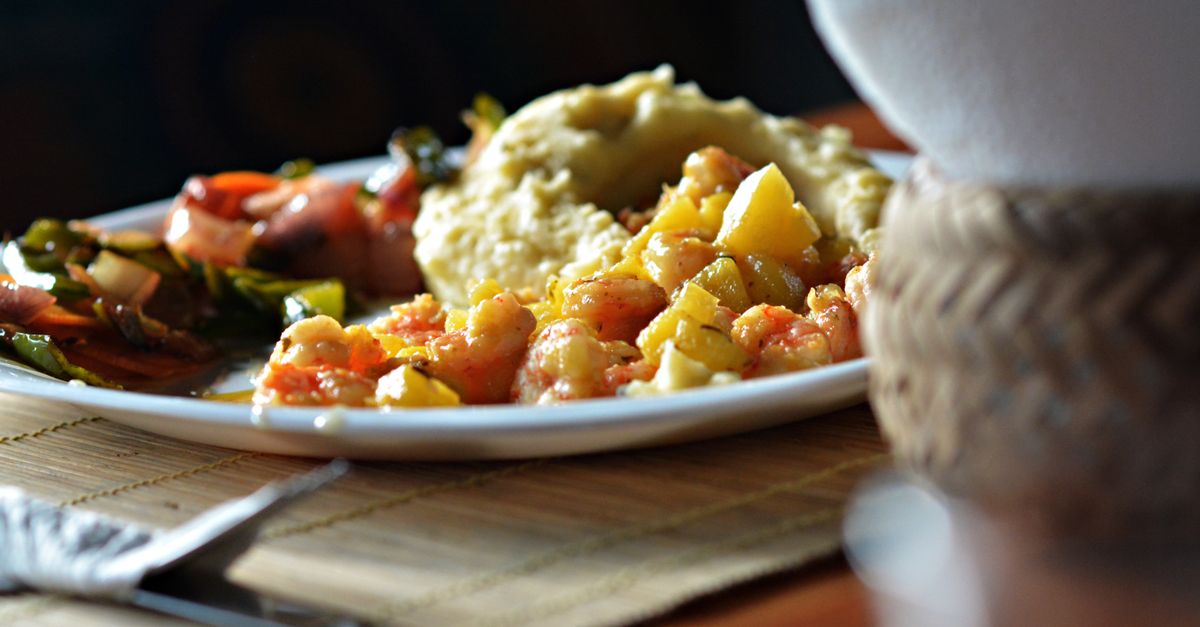
By mid-morning, the griddles at a Quito market counter are covered in llapingachos—crisp potato cakes with a molten cheese center, eaten with a fried egg and a spoonful of peanut sauce. These golden patties are a staple of Ecuadorian breakfast, offering a satisfying blend of textures: crispy on the outside, creamy and cheesy inside. Typically served with chorizo, a simple salad, and avocado, llapingachos provide a hearty start to the day. Prices range from $1.50 to $3, making them an affordable option for anyone considering an extended stay in Ecuador.

The Story Behind the Dish
Llapingachos hail from the Andean highlands of Ecuador, where potatoes have been a dietary cornerstone for centuries. Originally a humble peasant food, these potato cakes have evolved into a popular national dish. The name "llapingacho" is derived from the Quechua language, reflecting the indigenous roots of the dish. Traditionally, they are made with boiled potatoes, mashed and mixed with achiote (annatto) for color, then stuffed with cheese before being fried to perfection. The dish symbolizes the fusion of indigenous and Spanish culinary influences that characterize Ecuadorian cuisine.
How Locals Eat It
In Ecuador, llapingachos are more than just breakfast fare. Locals enjoy them at any time of day, often pairing them with a variety of accompaniments. A popular combination includes a fried egg, slices of ripe avocado, and a dollop of spicy peanut sauce, known as salsa de maní. You'll find Ecuadorians enjoying llapingachos at markets, family gatherings, and even as a late-night snack. The key to enjoying them like a local is to embrace the communal aspect—sharing a plate with friends or family is as much a part of the experience as the food itself.

Where to Find It
For a taste of traditional llapingachos, head to Quito's La Floresta neighborhood, where street vendors and small eateries serve them fresh off the griddle. Mercado Central is another hotspot, where you can watch vendors expertly flip the cakes on sizzling griddles. If you're planning to stay in Ecuador for a while, consider visiting local markets like the Mercado Iñaquito to buy ingredients and try making them at home. Potatoes, cheese, and achiote are readily available, and you might find that cooking your own llapingachos becomes a delightful part of your routine.
Regional Variations
While the core ingredients of llapingachos remain consistent, regional variations do exist. In the highland regions, they're often accompanied by roasted pork or hornado. Coastal areas might serve them with seafood or a tangy ceviche. Some cooks add herbs like cilantro to the potato mixture for an extra burst of flavor. In Cuenca, a city known for its culinary diversity, you might encounter llapingachos served with mote, a type of hominy corn. These variations highlight the adaptability of the dish and its ability to complement a wide range of Ecuadorian flavors.
Cost, Portions, and Ordering Tips
A plate of llapingachos typically costs between $1.50 and $3, depending on where you buy them and what sides are included. In tourist areas, prices might be slightly higher, but in local neighborhoods, you’ll find them at the lower end of the range. Portions are generous, often including two to three potato cakes per serving. When ordering, don't hesitate to ask for extra peanut sauce or a side of aji, a spicy Ecuadorian salsa. If you're visiting a market, try to catch the vendors early in the morning when the llapingachos are freshest.
What to Know Before You Try It
For those new to Ecuadorian cuisine, llapingachos offer a comforting introduction. The dish is naturally gluten-free, making it accessible to those with dietary restrictions. However, if you're sensitive to dairy, be aware that cheese is a key ingredient. The peanut sauce adds a unique flavor profile, but if you have a peanut allergy, you might want to skip it or ask for an alternative. The dish is best enjoyed fresh, so try to eat them as soon as they’re served to fully appreciate the contrast of textures.
Common Mistakes Visitors Make
One common mistake is assuming that all llapingachos are created equal. Quality can vary significantly depending on the vendor, so it's worth seeking out recommendations from locals. Another error is underestimating the portion size—these potato cakes are filling, especially when paired with sides. Visitors might also overlook the importance of the peanut sauce, which adds a crucial layer of flavor. Lastly, don’t rush the experience; part of the joy of llapingachos is enjoying them slowly and taking in the accompanying atmosphere.
Frequently Asked Questions
What is the main ingredient in llapingachos?
The main ingredient in llapingachos is potatoes, which are boiled, mashed, and then formed into cakes with a cheese filling.
Can I find llapingachos outside of Ecuador?
While llapingachos are primarily found in Ecuador, some South American restaurants abroad may offer them. However, the traditional experience is best enjoyed in Ecuador.
Are llapingachos vegetarian?
Yes, llapingachos are vegetarian, consisting mainly of potatoes and cheese. However, they are often served with meat accompaniments, which can be omitted.
What does the peanut sauce taste like?
The peanut sauce, or salsa de maní, is creamy with a hint of spice, adding a nutty flavor to the llapingachos.
Related Golden Horizons Guides
- Best Countries to Retire Abroad on a Budget
- Healthcare Abroad for American Retirees
- Retiring Abroad Checklist for Americans
- Visa Rules for Americans Retiring Abroad
About Golden Horizons
Golden Horizons is the retirement abroad magazine for Americans who aren't done yet.
Final Bite
Llapingachos offer a delicious glimpse into everyday life in Ecuador. Whether you're considering a short visit or an extended stay, trying these potato cakes in a local market is essential. They’re an example of the kind of ordinary experience you should test for a week before deciding if Ecuador might be your future home.