Quick Taste
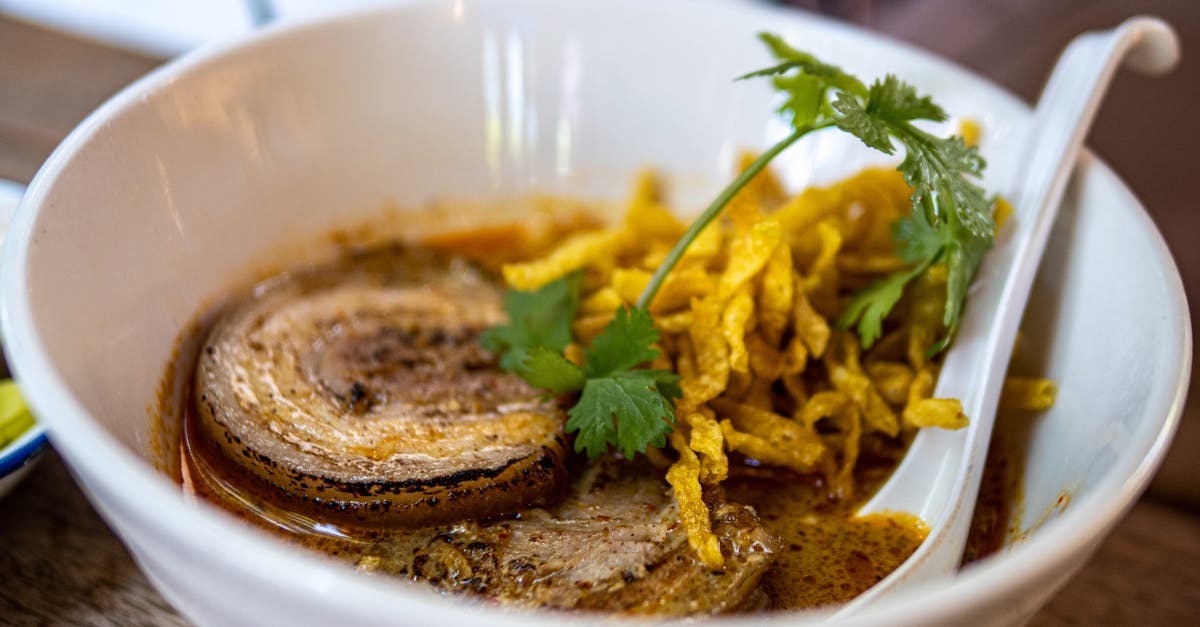
As you wander through the lively streets of Chiang Mai, the aroma of coconut curry fills the air, drawing you toward a small, unassuming food stall. Here, the chef ladles steaming khao soi into a bowl, a northern Thai specialty that combines creamy coconut curry with egg noodles. The dish is topped with crispy fried noodles, pickled mustard greens, and a squeeze of lime, offering a harmony of flavors that is both comforting and invigorating. At around THB 50-80 (about $1.50-2.50), this bowl not only fills your stomach but also gives you a taste of everyday life in this popular city.
The Story Behind the Dish
Khao soi's origins are as layered as its flavors, believed to have been influenced by Chinese Muslim traders who traveled through Southeast Asia. The dish made its way to northern Thailand, where locals adapted it with regional ingredients, creating a culinary staple. This fusion of cultures is evident in the dish's use of coconut milk, a staple in Thai cuisine, and the spices reminiscent of Indian curries. Over time, khao soi has become synonymous with Chiang Mai, celebrated for its balance of sweet, spicy, and savory notes that reflect the region's diverse cultural influences.
How Locals Eat It
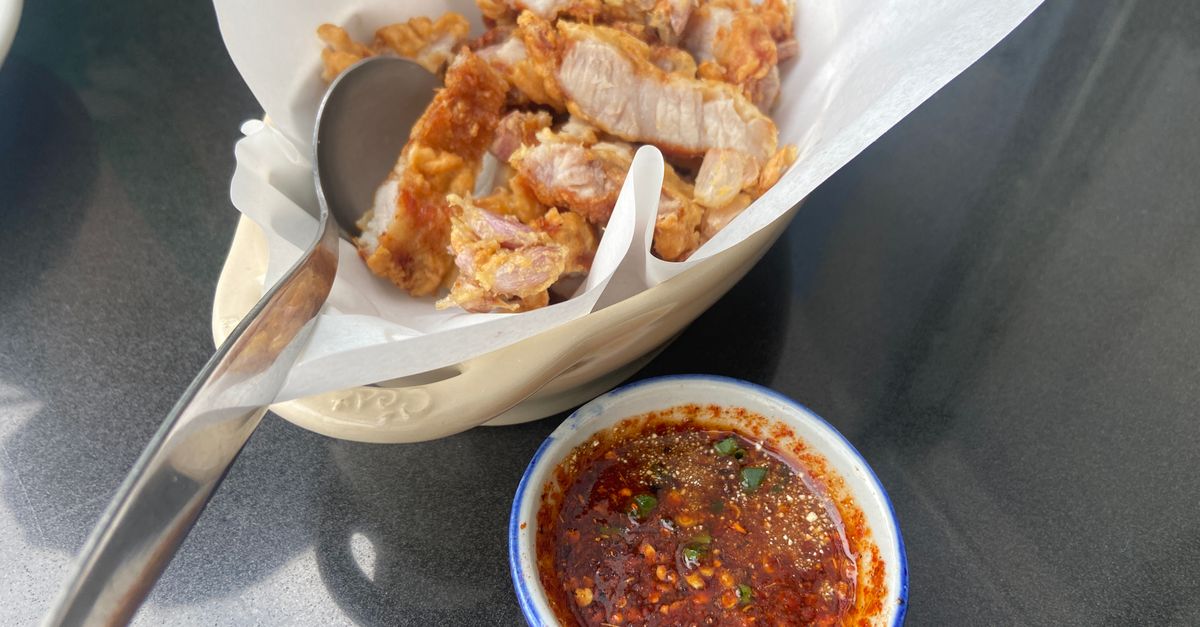
In Chiang Mai, khao soi is a lunchtime favorite, often enjoyed at small family-run eateries or lively street markets. Locals typically order it with chicken or beef, though vegetarian versions are also available. It's common to see diners customizing their bowls with additional condiments like chili oil, sugar, or fish sauce, tailoring the dish to their taste preferences. The ritual of breaking the crispy noodles into the curry and mixing everything together is part of the experience, creating a satisfying crunch with each bite. For many, khao soi is not just a meal but a cherished tradition that connects them to their heritage.
Where to Find It
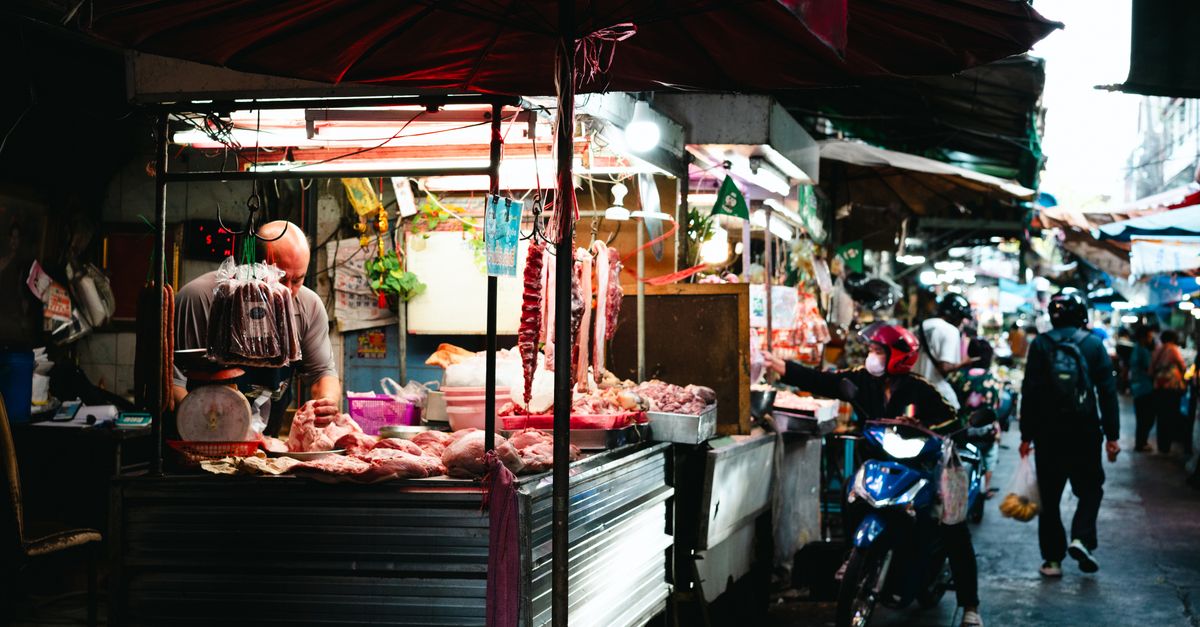
While khao soi can be found throughout Chiang Mai, some of the best bowls are served in the city's less touristy neighborhoods. Nimmanhaemin Road, known for its trendy cafes and local eateries, is a great starting point. Here, you'll find small shops where locals line up for their daily khao soi fix. For those interested in cooking at home, the Warorot Market offers fresh ingredients like coconut milk, curry paste, and noodles, allowing you to recreate the dish in your own kitchen. Prices in markets are generally lower than in restaurants, making it a budget-friendly option for extended stays.
Regional Variations
While Chiang Mai is the heart of khao soi, variations of the dish can be found across northern Thailand and beyond. In Mae Hong Son, a town near the Myanmar border, khao soi is often made with a spicier broth and includes Burmese influences like the use of fermented soybeans. In contrast, the version found in Lampang might feature a milder curry and a heavier emphasis on coconut milk. Each region adds its own twist, showcasing the adaptability of khao soi to local tastes and ingredients. This diversity means that even within Thailand, each bowl of khao soi offers a new experience.
Cost, Portions, and Ordering Tips
A typical serving of khao soi in Chiang Mai ranges from THB 50-80 (about $1.50-2.50), making it an affordable option for both locals and visitors. Portions are generous, often enough to satisfy a hearty appetite. When ordering, don't hesitate to ask for extra lime or pickled greens, which are usually provided at no additional cost. If you're trying khao soi for the first time, start with a chicken version, as it's the most traditional. For those who enjoy a bit of heat, request a side of chili oil to spice things up.
What to Know Before You Try It
Before diving into a bowl of khao soi, it's helpful to understand the dish's balance of flavors. The coconut curry is rich and creamy, but the addition of lime and pickled greens cuts through the richness, adding brightness and acidity. The fried noodles on top provide texture, making each bite interesting. If you're sensitive to spice, be cautious with the chili oil, as it can quickly elevate the heat level. Khao soi is typically served with a spoon and chopsticks, allowing you to scoop up the broth and noodles with ease.
Common Mistakes Visitors Make
One common mistake visitors make is assuming that all khao soi is the same. While the core ingredients remain consistent, each vendor has their own recipe, resulting in subtle differences in taste and texture. Another error is overlooking the condiments provided on the table. These are not just for decoration; they are meant to enhance the dish, allowing you to tailor the flavors to your liking. Lastly, some visitors shy away from street vendors, fearing food safety. However, many locals swear by these stalls for the most traditional khao soi experience.
Frequently Asked Questions
What is the best time to eat khao soi in Chiang Mai?
Khao soi is typically enjoyed for lunch, as many local eateries and street vendors open around midday. However, you can find it served throughout the day in some restaurants.
Can I find vegetarian khao soi in Chiang Mai?
Yes, vegetarian versions of khao soi are available, often substituting tofu or mushrooms for meat. It's best to ask the vendor about vegetarian options.
How spicy is khao soi?
The spice level of khao soi varies depending on the vendor, but it is generally mild to medium. You can adjust the heat by adding chili oil, which is usually available on the table.
Is khao soi gluten-free?
Khao soi typically contains egg noodles, which are not gluten-free. However, some places may offer gluten-free noodle options upon request.
Related Golden Horizons Guides
- Best Countries to Retire Abroad on a Budget
- Healthcare Abroad for American Retirees
- Retiring Abroad Checklist for Americans
- Visa Rules for Americans Retiring Abroad
About Golden Horizons
Golden Horizons is the retirement abroad magazine for Americans who aren't done yet.
Final Bite
Khao soi offers more than just a meal; it provides a window into the daily life and food traditions of Chiang Mai. For those considering an extended stay or retirement in Thailand, sampling this dish is a delicious way to connect with the local culture. Before making any decisions, spend some time enjoying the everyday experiences that make life in Chiang Mai both unique and inviting.