Quick Taste
Irish pub stews are hearty, comforting meals with savory flavors, and Dublin is better for newer takes while the countryside offers traditional tastes. These stews, often enjoyed around farmhouse tables, are a staple of Ireland's rainy-day comfort food culture. For value, head to local pubs in smaller towns, while Dublin offers convenience and a wide range of options. Traditional flavor seekers will appreciate the countryside, whereas those looking for larger portions and dietary options should explore Dublin's diverse food scene. First-time visitors will find Dublin more accessible for its variety and ease of navigation.
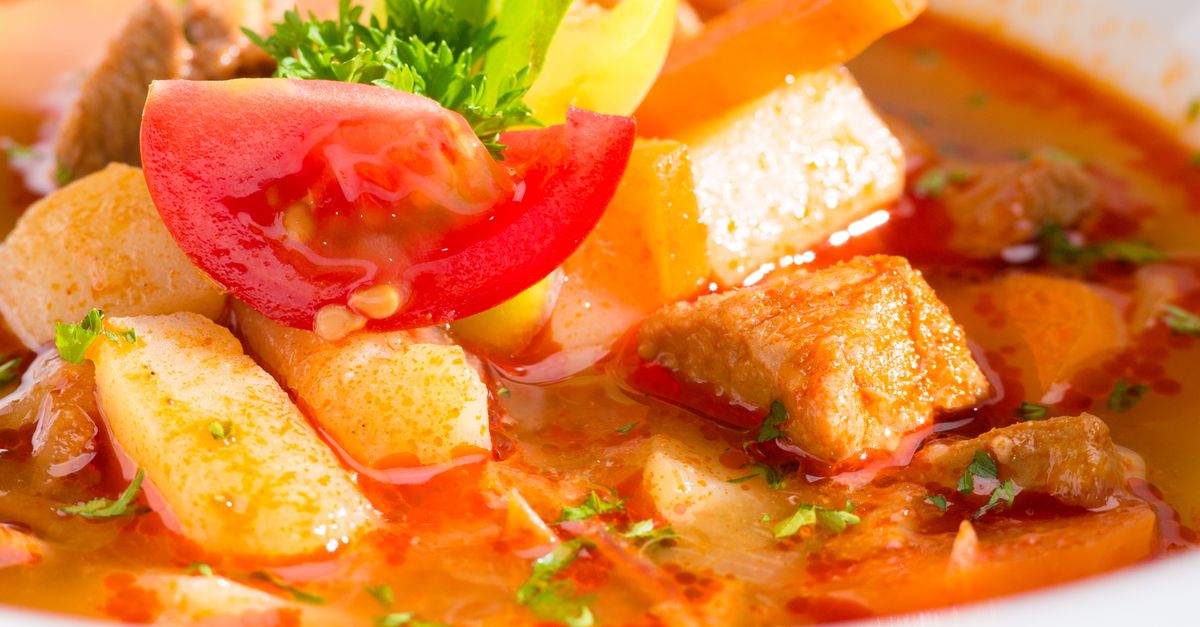
In Ireland, these stews are more than just sustenance; they are a cultural staple reflecting the country's agrarian roots and communal dining traditions. When you order a pub stew, expect a steaming bowl served with a side of freshly baked soda bread to mop up every last drop. Variations might include seafood stews along the coastal regions or vegetarian versions with seasonal vegetables. For first-time visitors, pub stews offer an introduction to Irish comfort food, providing a taste of the local food landscape.
The Story Behind the Dish
Irish stews have a storied past, with roots tracing back to the country's agricultural heritage. Traditionally made with lamb or mutton, potatoes, onions, and carrots, these stews were a practical way to use local ingredients. The dish evolved during times of economic hardship, becoming a symbol of resilience and community. As a staple of Irish cuisine, the stew reflects the country's history of hearty, simple meals designed to nourish and warm the soul on cold, rainy days. Today, variations include beef and Guinness stew, which incorporates the famous Irish stout for added depth and richness.
The evolution of the Irish stew mirrors the country's social and economic changes. During times of hardship, such as the Great Famine, the stew was a symbol of resilience, made with whatever ingredients were available. Today, it stands as a testament to Ireland's culinary ingenuity, with each region adding its own twist. In some areas, mutton is preferred, while others might opt for beef or lamb, each imparting a distinct flavor profile to the dish.
How Locals Eat It
Locals typically enjoy Irish stews as a main meal, often accompanied by freshly baked soda bread and a pint of Guinness. It's a dish best enjoyed in a cozy pub setting, where the warmth of the meal is complemented by the convivial atmosphere. Stews are usually served in generous portions, making them perfect for sharing among friends or family. While traditionally a winter dish, it remains popular year-round, especially during festivals and gatherings. Some pubs offer vegetarian versions, catering to diverse dietary preferences.
At home, stews are a staple on farmhouse tables, especially during the colder months. Families often prepare large batches to enjoy over several days, with the flavors deepening and improving with time. The simplicity of the ingredients means that even the most basic stew can be a comforting and satisfying meal, often enhanced by the addition of fresh herbs from the garden or a splash of whiskey for an extra kick.
Where to Find It
Visitors can find traditional Irish stews in pubs across the country, from lively Dublin to quaint village inns. In Dublin, areas like Temple Bar and Stoneybatter offer numerous pubs serving both traditional and modern takes on the stew. For a more rustic experience, venture into the countryside to places like County Kerry or Galway, where local inns provide a taste of Ireland's food heritage. While city prices can be higher, smaller towns offer more budget-friendly options without compromising on quality.

In Ireland, finding a good pub stew is as simple as stepping into any local pub, particularly in rural areas where traditional recipes are closely guarded. Cities like Dublin and Galway boast a wide array of pubs, each offering their own version of the classic dish. The Brazen Head in Dublin, reputed to be the oldest pub in Ireland, serves a renowned Guinness stew that draws both locals and tourists alike.
City vs. Countryside Flavor
Dublin's stews often feature innovative ingredients and presentations, appealing to those seeking contemporary dining experiences. The city is convenient for tourists, with many dining options within walking distance. Conversely, the countryside offers a more traditional taste of Ireland, with stews that adhere closely to traditional recipes. Portions in rural areas tend to be heartier, reflecting the communal nature of farmhouse dining. While Dublin caters well to dietary restrictions with vegetarian and gluten-free options, the countryside provides a genuine taste of Irish culture, ideal for those seeking a traditional experience.
The flavor of Irish stews can vary significantly between city pubs and countryside farmhouses. In urban settings, stews may incorporate newer takes or international influences, reflecting the diverse food scene found in cities like Dublin. These stews might feature unexpected ingredients like exotic spices or gourmet garnishes, appealing to adventurous palates looking for something beyond the traditional.
Cost, Portions, and Ordering Tips
Expect to pay between €10 to €20 for a bowl of stew in Dublin, with countryside prices often slightly lower. Portions are typically generous, suitable for a full meal. When ordering, ask about the stew's ingredients if you have dietary restrictions. Many pubs accept both cash and card, but it's wise to carry some cash for smaller establishments. Tourist areas may charge a premium, so venturing a bit off the beaten path can lead to more traditional and affordable experiences.
Ordering tips include asking about the day's special, as many pubs rotate their stew offerings based on seasonal ingredients. Don't hesitate to inquire about the stew's base—whether it's beef, lamb, or vegetarian—to ensure it aligns with your preferences. For a truly local experience, pair your stew with a pint of Guinness or a local cider, which complements the dish's flavors beautifully.
What to Know Before You Try It
Irish stews are generally mild in spice, focusing on the natural flavors of the ingredients. However, they can be rich and filling, so consider sharing if you have a smaller appetite. The dish is typically gluten-free, though it's wise to confirm with the server, especially if the stew includes beer. While food safety standards are high, always check for freshness and hygiene, particularly in busy tourist areas. Seating in pubs can be limited during peak times, so consider visiting during off-hours for a more relaxed experience.
Before diving into a steaming bowl of Irish stew, it's helpful to know a few things. Firstly, the dish is typically served piping hot, so allow it to cool slightly before taking your first bite. The hearty nature of the stew means it's quite filling, so pace yourself to fully enjoy the meal. If you're sensitive to alcohol, be aware that some stews are cooked with Guinness or whiskey, which can impart a noticeable flavor.
Common Mistakes Visitors Make
Visitors often overlook the importance of the accompanying bread, which enhances the stew's flavors. Another common mistake is expecting spice; Irish stews are about subtle, comforting flavors. Tourists may also miss out on local variations by sticking to tourist-heavy areas. To avoid overpaying, try smaller, less touristy pubs where prices are more reasonable. Finally, don't be afraid to ask locals for recommendations—they often know the best spots for an traditional meal.
One common mistake visitors make is underestimating the portion size of an Irish stew. These dishes are designed to be hearty and filling, so ordering additional sides might lead to an overwhelming amount of food. Another error is not allowing the stew to cool before eating, which can result in a burnt tongue and a diminished dining experience.
Frequently Asked Questions
Is Irish stew better in Dublin or the countryside?
Dublin offers newer versions and convenience, while the countryside provides traditional flavors and larger portions.
What does Irish stew taste like?
Irish stew is savory and hearty, with tender meat and root vegetables in a rich broth.
How much does Irish stew usually cost?
In Dublin, expect to pay €10 to €20, with countryside prices often slightly lower.
What should I order with Irish stew?
Pair your stew with freshly baked soda bread and a pint of Guinness for a complete experience.
Related Golden Horizons Guides
- Best Countries to Retire Abroad on a Budget
- Healthcare Abroad for American Retirees
- Retiring Abroad Checklist for Americans
- Visa Rules for Americans Retiring Abroad
About Golden Horizons
Golden Horizons is the retirement abroad magazine for Americans who aren’t done yet.
Final Bite
Irish stews offer a window into the heart of Ireland's food traditions, revealing a culture that values comfort, community, and the simple pleasures of a hearty meal. Ideal for food enthusiasts and travelers alike, these stews provide a taste of Irish hospitality and history. Whether you're drawn to the innovative dishes of Dublin or the time-honored recipes of the countryside, Irish stews promise a satisfying and memorable dining experience.