Quick Taste
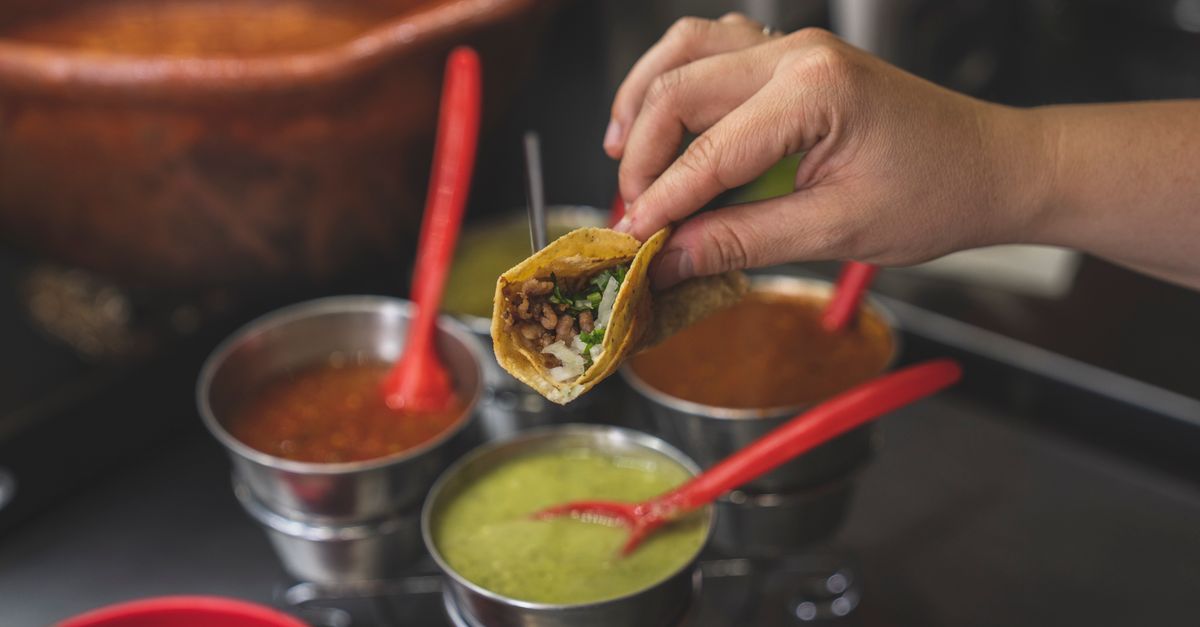
Picture yourself stepping into a tasca in Lisbon just as the lunch rush begins. The air is filled with the aroma of grilled sardines, their skin crisping to perfection over open flames. These small, no-frills eateries are where locals gather for a hearty meal, often accompanied by a glass of vinho verde. Expect robust flavors from dishes like bacalhau à brás, a comforting mix of shredded cod, potatoes, and eggs. Prices are refreshingly reasonable, with a full meal often costing between EUR 8-12, making it a practical choice for anyone considering an extended stay in Portugal.
The Story Behind the Dish
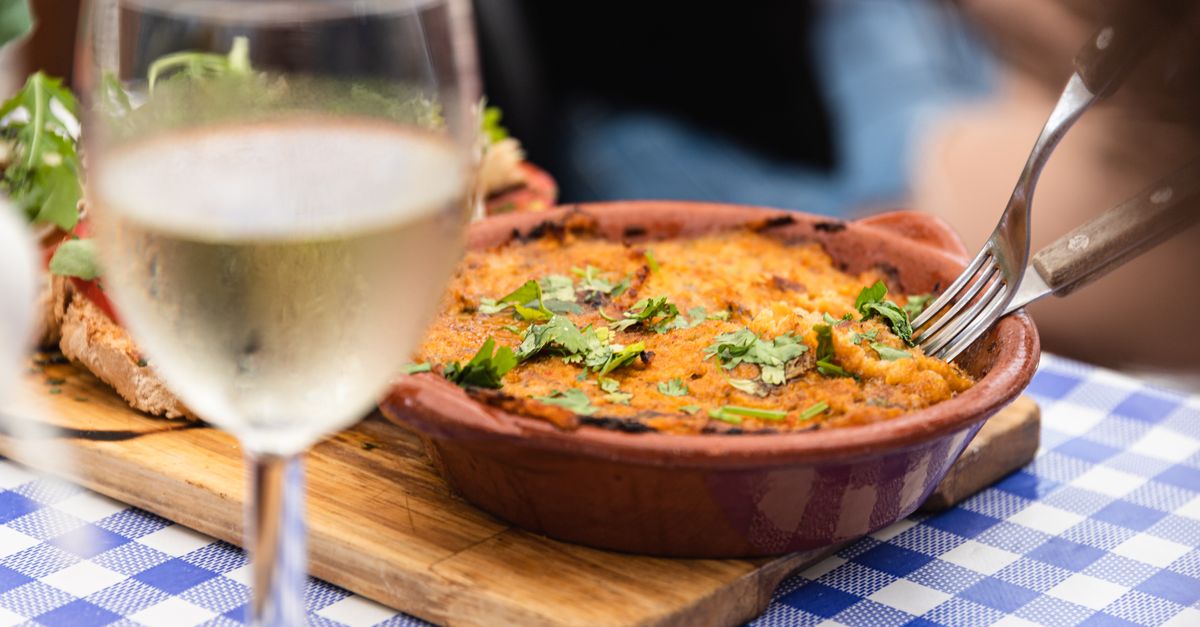
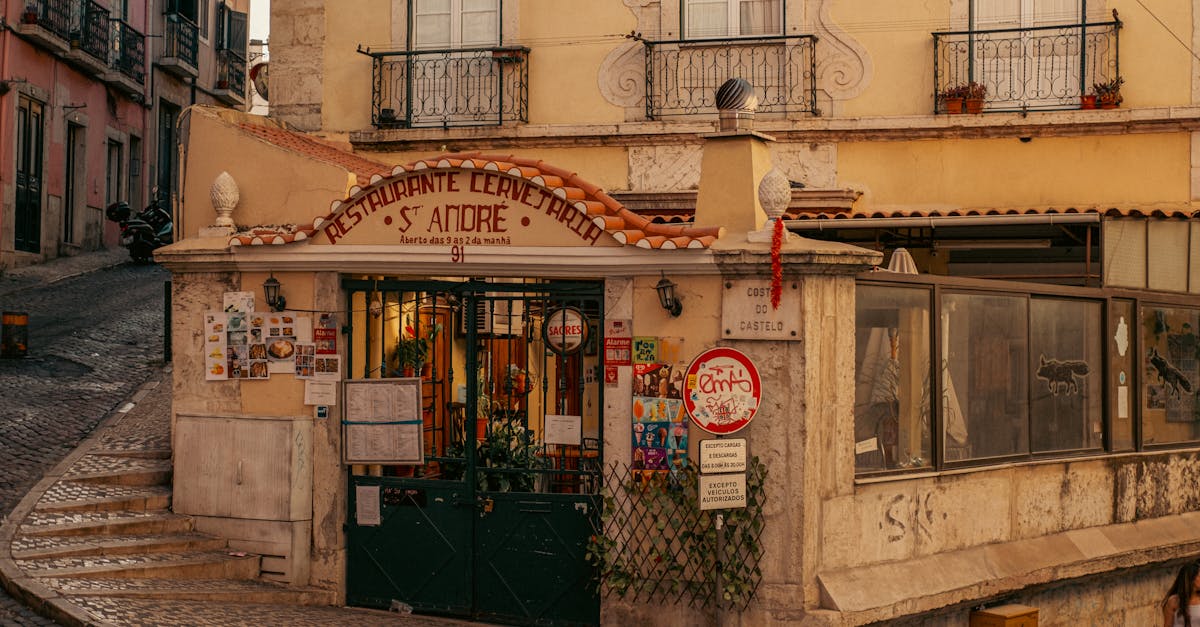
Tascas are an integral part of Portuguese culture, offering a glimpse into the country's culinary soul. Originally, these were humble establishments where working-class locals could enjoy a home-cooked meal. Over time, they have become cherished fixtures in neighborhoods across Portugal, known for their unpretentious atmosphere and hearty, traditional dishes. The menu is often handwritten and changes daily, reflecting what's fresh and available at local markets. This commitment to seasonal and local ingredients is a testament to the Portuguese way of life, where food is enjoyed slowly and shared among friends.
How Locals Eat It
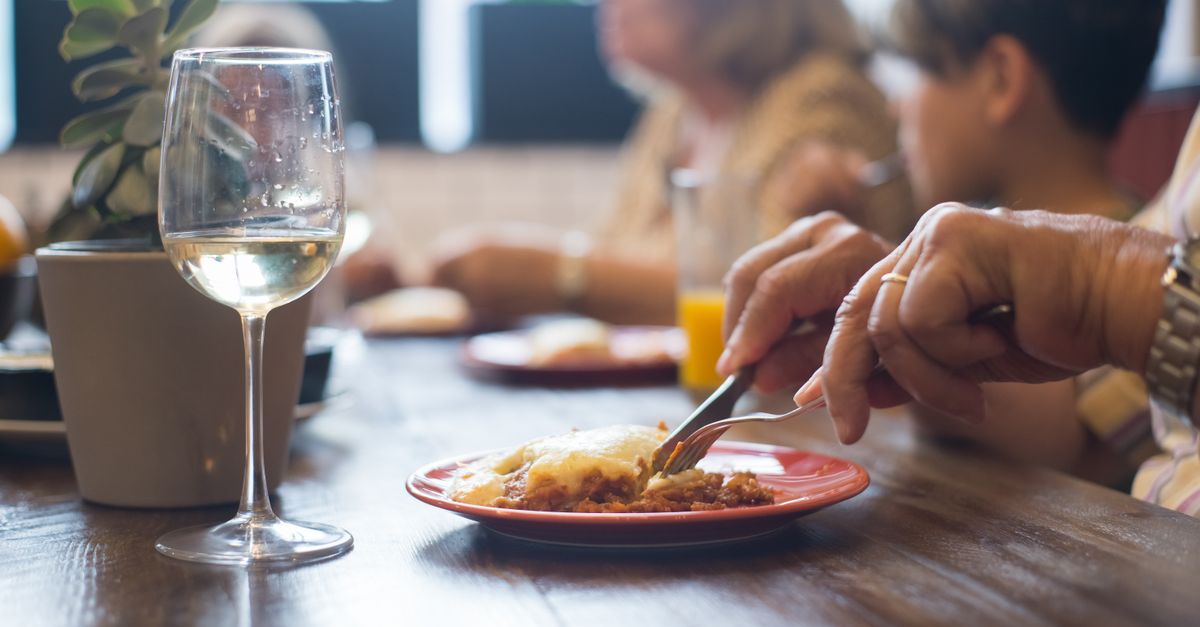
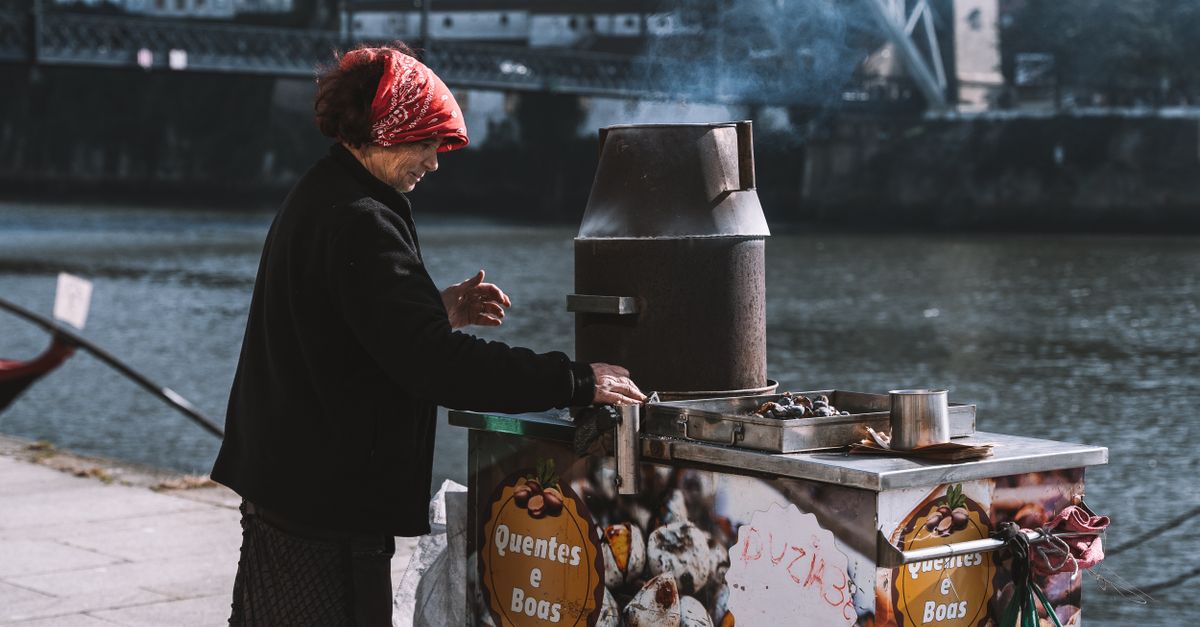
In Portugal, lunch is the main meal of the day, and tascas are the go-to spots for a leisurely midday break. Locals typically arrive around 1 PM, settling into simple wooden tables adorned with paper tablecloths. The meal often starts with a basket of fresh bread and olives, followed by a main course such as feijoada, a hearty bean stew with pork. Meals are communal, with dishes shared among friends and family. A glass of house wine or a small bottle of Sagres beer is a common accompaniment, adding to the convivial atmosphere.
Where to Find It
While Lisbon and Porto are home to many tascas, the true gems are often found in smaller towns and rural areas. In Lisbon, neighborhoods like Alfama and Bairro Alto offer traditional experiences, but venturing into less touristy areas like Campo de Ourique or Alcântara can reveal even more local secrets. For those living in Portugal, local markets are a treasure trove of ingredients, allowing you to recreate tasca dishes at home. The Mercado da Ribeira in Lisbon, for example, offers everything from fresh seafood to artisanal cheeses.
Regional Variations
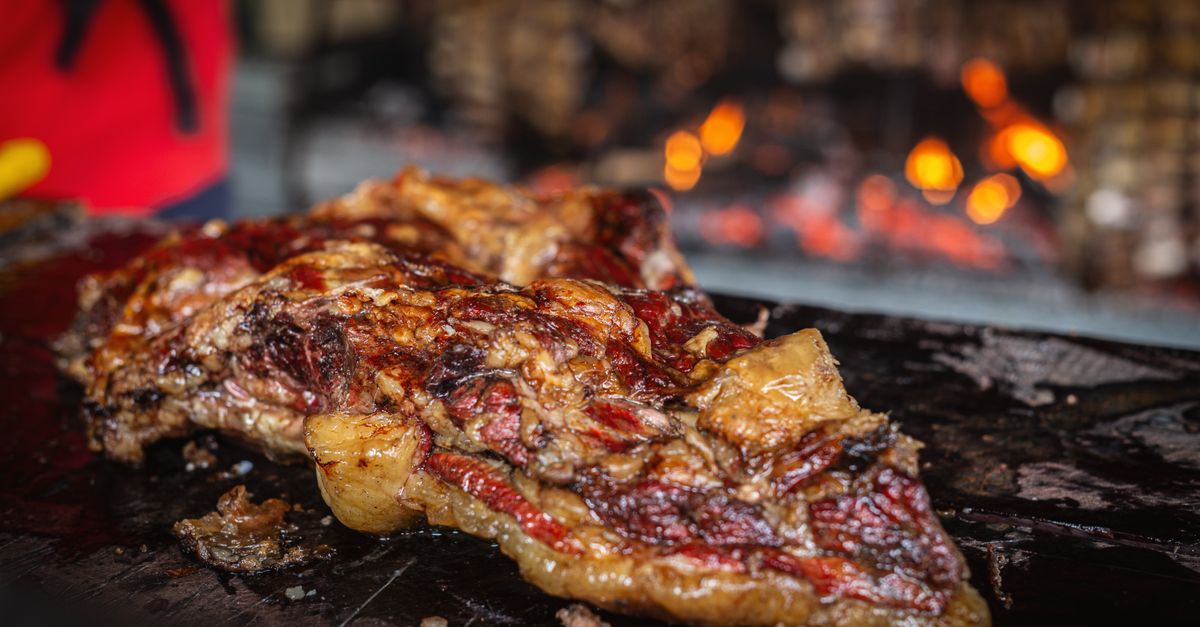
While the essence of a tasca remains consistent throughout Portugal, regional variations add a delightful twist to the experience. In the north, you might find caldo verde, a comforting kale and potato soup, served alongside grilled meats. The coastal regions, particularly the Algarve, focus on seafood, with dishes like cataplana, a fragrant seafood stew. Inland, pork and game are more prevalent, with specialties like porco preto, a dish made from the famed black Iberian pig. Each region brings its own flavors and traditions to the tasca table, offering a food journey across the country.
Cost, Portions, and Ordering Tips
Tascas are known for their generous portions and affordable prices, making them ideal for those on a budget. A typical meal, including a starter, main course, and drink, will set you back around EUR 8-12. Portions are often large enough to share, so consider ordering a few dishes to sample a wider variety. When ordering, don't hesitate to ask the server for recommendations; they'll often point you toward the day's freshest offerings. Remember, tipping is not customary in Portugal, but rounding up the bill is appreciated.
What to Know Before You Try It
Eating at a tasca is as much about the experience as it is about the food. These establishments are informal, and the service can be leisurely, reflecting the Portuguese pace of life. English may not be widely spoken, especially in smaller towns, so a few basic Portuguese phrases can go a long way. The menu may be limited, but that's part of the charm—what's available is always fresh and expertly prepared. Embrace the opportunity to eat like a local, sharing dishes and enjoying the flavors that define Portuguese cuisine.
Common Mistakes Visitors Make
One common mistake is assuming tascas are tourist traps because of their simplicity. In reality, they are valued by locals for their traditionality. Another is visiting during off-hours; tascas typically serve lunch from noon to 3 PM and may not be open for dinner. Visitors often overlook daily specials, which are usually the freshest and best value options. Finally, some travelers miss out on the full tasca experience by not engaging with the staff or fellow diners, missing the chance to learn more about the dishes and the culture.
Frequently Asked Questions
What is a tasca in Portugal?
A tasca is a small, informal eatery in Portugal, similar to a tavern, where locals gather for traditional meals. They are known for their hearty, home-cooked dishes and affordable prices.
Are tascas open for dinner?
Tascas primarily serve lunch, typically from noon to 3 PM. While some may open for dinner, it's less common, so it's best to enjoy them during lunchtime.
Can I find vegetarian options at a tasca?
While tascas focus on traditional Portuguese dishes, which often include meat or fish, you can usually find vegetarian options like salads, soups, or vegetable sides.
Is it necessary to make a reservation at a tasca?
Reservations are generally not required at tascas, especially for lunch. However, during peak times or in popular areas, it might be wise to arrive early to secure a table.
Related Golden Horizons Guides
- Best Countries to Retire Abroad on a Budget
- Healthcare Abroad for American Retirees
- Retiring Abroad Checklist for Americans
- Visa Rules for Americans Retiring Abroad
About Golden Horizons
Golden Horizons is the retirement abroad magazine for Americans who aren't done yet.
Final Bite
For Americans considering a longer stay or retirement in Portugal, tascas offer a taste of everyday life that can't be found in tourist-heavy restaurants. They provide not just a meal, but a connection to the community and culture. Before making any big decisions, spend a week exploring these neighborhood staples. You might just find that the simple pleasure of a tasca lunch is what makes Portugal feel like home.