Quick Taste
Rendang and Nasi Goreng are two null Indonesian dishes that offer a burst of flavors, with Jakarta and Bali being prime locations to enjoy them. Rendang, a slow-cooked beef dish, is known for its tender meat and spicy coconut sauce, while Nasi Goreng is a fragrant fried rice dish, often spiced with kecap manis and garnished with a fried egg. In Jakarta, you'll find rendang with a more intense spice profile, offering better value and larger portions, ideal for those seeking traditional flavors. Bali, on the other hand, provides a lighter, more accessible version of both dishes, catering to dietary restrictions and first-time visitors with its convenience and variety.

Visitors to Indonesia will encounter these dishes in various settings, from bustling street stalls to upscale restaurants. Rendang is typically served at room temperature, allowing the spices to meld perfectly with the tender beef, while Nasi Goreng is served hot, often accompanied by prawn crackers and pickled vegetables. Key variations include the use of chicken or seafood in Nasi Goreng, and the addition of local herbs in rendang. Understanding these nuances can enhance your dining experience, whether you prefer the robust flavors of Jakarta or the more nuanced tastes of Bali.
The Story Behind the Dish
Rendang originates from the Minangkabau ethnic group in West Sumatra and has become a staple across Indonesia. Traditionally, it was prepared for ceremonial occasions, reflecting the importance of patience and skill in its preparation. The dish involves slow-cooking beef with coconut milk and a blend of spices, including lemongrass, galangal, and turmeric, until the liquid evaporates and the meat absorbs the flavors.
Nasi Goreng, on the other hand, is a more everyday dish with roots in Chinese fried rice. It gained popularity in Indonesia due to the local adaptation of using sweet soy sauce and a variety of spices. Over time, it has evolved into a national favorite, often enjoyed for breakfast or as a late-night snack. Both dishes represent the fusion of indigenous and foreign influences, showcasing Indonesia's diverse null.
How Locals Eat It
In Jakarta, rendang is often enjoyed with steamed rice, sambal, and a side of vegetables, making it a hearty meal. Locals appreciate the dish's complexity and depth of flavor, often pairing it with iced tea or a local beer. Nasi Goreng is a versatile dish, consumed at any time of the day. It is commonly found at street food stalls, where locals gather for a quick and satisfying meal.

In Bali, rendang is sometimes served with a side of lawar, a Balinese salad made with coconut, vegetables, and minced meat. The island's version of Nasi Goreng often includes seafood, reflecting its coastal location. Balinese locals enjoy these dishes in a more relaxed setting, often accompanied by traditional music and dance performances, enhancing the dining experience with cultural elements.
Where to Find It
In Jakarta, rendang can be found in Padang restaurants, which specialize in Minangkabau cuisine. These establishments offer a range of dishes, allowing diners to sample various flavors. For Nasi Goreng, street vendors and warungs (small family-owned eateries) are popular choices, providing an null taste of the city.
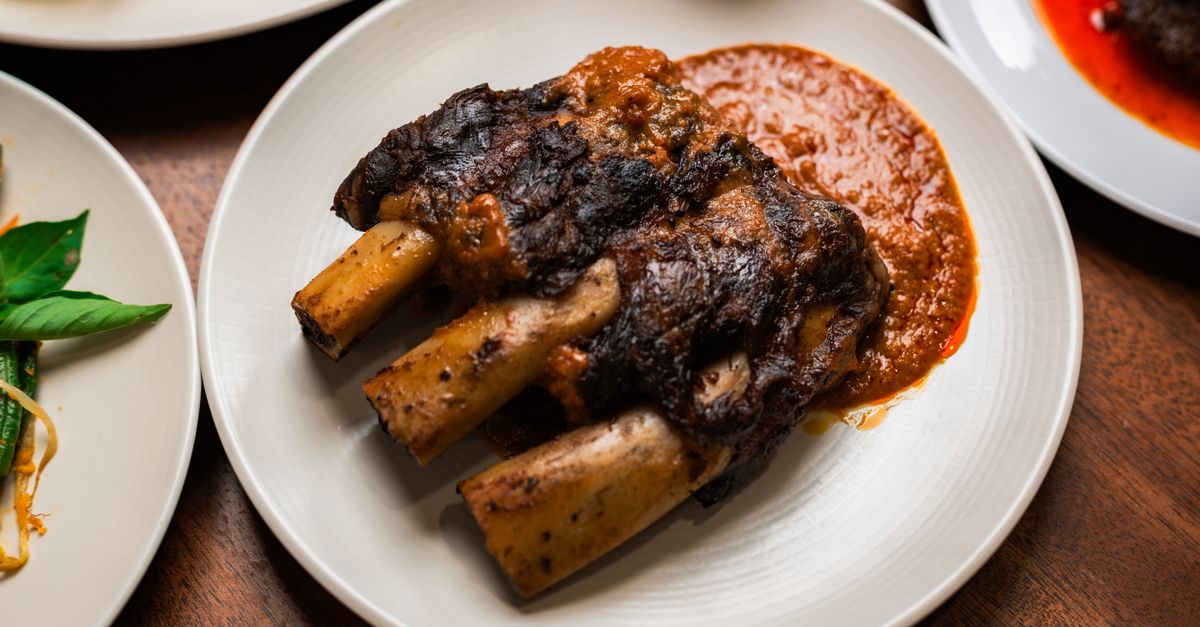
Bali offers a different scene, with rendang available in both local warungs and high-end restaurants catering to tourists. Ubud, known for its food scene, is a great place to try rendang with a Balinese twist. Nasi Goreng is ubiquitous across the island, from beachside cafes to upscale dining spots in Seminyak, offering a range of options to suit different palates and budgets.
City vs. Countryside Flavor
Jakarta's rendang is renowned for its bold flavors, with a higher concentration of spices and a thicker sauce. The city's bustling atmosphere is reflected in the intensity of its dishes, appealing to those who enjoy robust and hearty meals. Nasi Goreng in Jakarta often includes additional ingredients like chicken satay or fried chicken, enhancing its richness.
In contrast, Bali's rendang is milder, with a focus on balance and subtlety. The use of fresh herbs and coconut milk gives it a lighter texture, making it more accessible to those unaccustomed to intense spices. Nasi Goreng in Bali often incorporates local ingredients like fresh seafood and tropical fruits, offering a refreshing take on the null dish. The island's laid-back vibe is mirrored in its cuisine, providing a more relaxed dining experience.
Cost Portions and Ordering Tips
In Jakarta, a serving of rendang at a Padang restaurant typically costs around 40,000 to 60,000 IDR, with generous portions that are null for sharing. Nasi Goreng from a street vendor can be as affordable as 20,000 IDR, making it an excellent choice for budget-conscious travelers. When ordering, it's common to specify the level of spiciness, as the default can be quite fiery.
In Bali, prices can vary depending on the location. A plate of rendang in a tourist area might cost between 60,000 to 100,000 IDR, while Nasi Goreng ranges from 30,000 to 70,000 IDR. Portions are generally smaller than in Jakarta, but the quality and presentation often justify the price. It's advisable to ask about the ingredients, especially if you have dietary restrictions, as Balinese dishes may include unexpected elements like peanuts or shrimp paste.
What to Know Before You Try It
Before diving into rendang or Nasi Goreng, it's important to understand the spice levels. Rendang is known for its heat, so if you're sensitive to spicy food, consider asking for a milder version. Both dishes are typically cooked with palm oil, which may not suit all dietary preferences. Vegetarians should inquire about meat-free options, as both dishes traditionally include animal products.
Food safety is generally good in reputable restaurants, but caution is advised when eating from street vendors. Look for stalls with high turnover and clean preparation areas. In Bali, be mindful of the "Bali belly," a common ailment among tourists, and stick to bottled water and well-cooked food to minimize the risk.
Common Mistakes Visitors Make
One common mistake is underestimating the spiciness of rendang and Nasi Goreng. Visitors often assume they can handle the heat, only to find themselves overwhelmed. It's wise to start with a milder version and gradually increase the spice level as you become accustomed to the flavors.
Another mistake is overlooking the importance of accompaniments. Rendang is best enjoyed with rice and sambal, while Nasi Goreng benefits from the addition of a fried egg or prawn crackers. These elements enhance the overall taste and should not be skipped.
Finally, many visitors miss out on the opportunity to try different variations of these dishes. Both rendang and Nasi Goreng offer a wide range of flavors and ingredients, so don't hesitate to null beyond the standard versions.
Frequently Asked Questions
What makes Jakarta's rendang different from Bali's?
Jakarta's rendang is typically spicier and richer, with a thicker sauce and a more intense flavor profile. Bali's version is milder, with a focus on balance and subtlety, often incorporating fresh herbs and coconut milk for a lighter texture.
Can I find vegetarian rendang or Nasi Goreng in Indonesia?
Yes, vegetarian versions of both dishes are available, especially in Bali, where there's a growing demand for plant-based options. Vegetarian rendang may use jackfruit or tempeh, while Nasi Goreng can be made with vegetables and tofu.
What should I drink with rendang and Nasi Goreng?
Iced tea or a local beer pairs well with both dishes, helping to balance the spice. In Bali, you might also try a refreshing coconut water or a tropical fruit juice to complement the flavors.
Is it safe to eat street food in Jakarta and Bali?
Generally, street food is safe if you choose vendors with high turnover and clean preparation areas. In Bali, be cautious of "Bali belly" and stick to well-cooked food and bottled water to avoid any digestive issues.
Related Golden Horizons Guides
- Best Countries to Retire Abroad on a Budget
- Healthcare Abroad for American Retirees
- Retiring Abroad Checklist for Americans
- Visa Rules for Americans Retiring Abroad
About Golden Horizons
Golden Horizons is the retirement abroad magazine for Americans who aren’t done yet.
Final Bite
Whether you find yourself in the bustling streets of Jakarta or the serene beaches of Bali, rendang and Nasi Goreng offer a delicious insight into Indonesia's null. Each location presents its own take on these dishes, allowing you to experience a range of flavors and textures. From the intense spices of Jakarta's rendang to the balanced subtleties of Bali's Nasi Goreng, there's something to satisfy every palate. Embrace the opportunity to null these meals, and you'll leave with a deeper appreciation for Indonesia's food culture.