Quick Taste
Paprika stews in Budapest are a quintessential Hungarian dish, known for their rich, savory flavors and hearty textures. The city's central markets offer a better experience for those seeking traditional flavors, while upscale restaurants provide a more refined, modern take on this dish. For value and old-style flavor, the lively Great Market Hall is unbeatable, while those looking for convenience and lighter options might prefer the offerings at the city's contemporary eateries. First-time visitors should head to the markets for an traditional introduction to this staple of Hungarian cuisine.

In Budapest, paprika stews are more than just a meal; they are a cultural emblem. Visitors will encounter a hearty dish, typically served hot, with a variety of meats such as beef, pork, or chicken, simmered to perfection. The texture is thick and satisfying, often accompanied by a side of fresh bread or dumplings. Key variations include the addition of sour cream for a creamy finish or the use of smoked sausage for added depth. The stews are a delightful blend of sweet and spicy, thanks to the liberal use of paprika, Hungary's national spice.
The Story Behind the Dish
Paprika stews, or "pörkölt" as they are locally known, are a staple of Hungarian cuisine, deeply rooted in the country's culinary history. The dish dates back to the 19th century when paprika became a defining spice in Hungarian cooking. Traditionally, pörkölt is made with meat—commonly beef, pork, or chicken—slow-cooked with onions, bell peppers, and a generous amount of paprika, which gives the stew its signature deep red color and robust flavor. Over time, this dish has become a symbol of Hungarian hospitality, often served during family gatherings and festive occasions.
The introduction of paprika to Hungary in the 16th century revolutionized local cooking, and it quickly became a staple ingredient in many dishes, including stews. Over the centuries, paprika stews evolved from rustic meals to national dishes, reflecting Hungary's agricultural heritage. The spice itself is a symbol of Hungarian identity, with its cultivation and processing being a point of national pride. Today, paprika stews are celebrated as a culinary tradition, embodying the warmth and hospitality of Hungarian culture. They are a testament to the country's ability to blend simplicity with bold flavors, creating a dish that is both comforting and invigorating.
How Locals Eat It
In Budapest, locals typically enjoy paprika stews as a main course, often during lunch or dinner. The dish is a staple in Hungarian households, with recipes passed down through generations. It is customary to serve the stew with a generous dollop of sour cream and a side of fresh bread, which is perfect for mopping up the flavorful sauce.
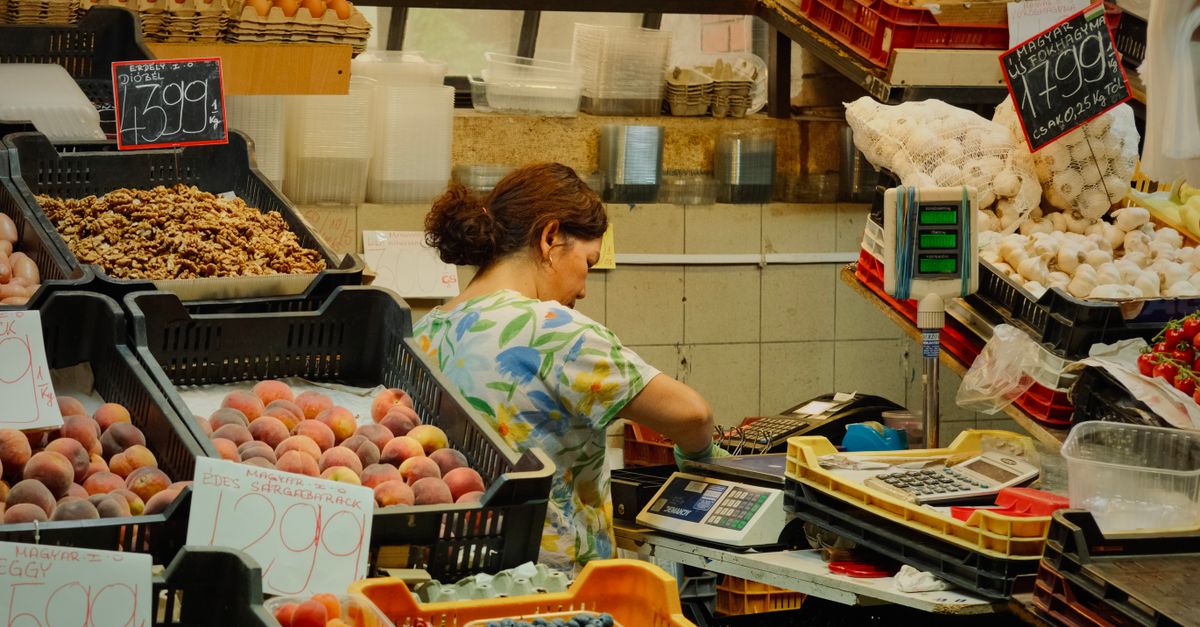
Hungarians take pride in their paprika, and the quality of the spice can significantly influence the stew's flavor. Locals often source their paprika from trusted vendors at the market, ensuring that the spice is fresh and popular. When dining out, Budapest residents might pair their stew with a glass of local wine or a refreshing pint of Hungarian beer, enhancing the meal's overall experience. The communal aspect of sharing a hearty stew is an integral part of Hungarian dining culture, fostering a sense of togetherness and celebration.
Where to Find It
Budapest offers a myriad of options for those eager to try traditional paprika stews. The Great Market Hall, a historic landmark in the city, is a prime destination for experiencing traditional market cooking. Here, visitors can find vendors selling freshly prepared stews alongside a variety of local produce and artisanal goods. The market's popular atmosphere and diverse offerings make it a must-visit for anyone looking to immerse themselves in Hungarian food culture.

For a more upscale experience, Budapest's fine dining establishments offer refined versions of the classic stew. Restaurants such as Gundel and Onyx are renowned for their innovative takes on traditional dishes, incorporating modern techniques and high-quality ingredients. These venues provide an elegant setting for enjoying paprika stews, making them ideal for special occasions or a memorable dining experience. Whether in a lively market or a sophisticated restaurant, Budapest's paprika stews are a testament to the city's culinary prowess.
City vs. Countryside Flavor
The flavor of paprika stews in Budapest differs significantly from those found in the Hungarian countryside. In the city, the dish is often prepared with a focus on presentation and refinement, appealing to both locals and tourists seeking a polished dining experience. Urban stews might feature premium cuts of meat and a delicate balance of spices, resulting in a dish that is both flavorful and visually appealing.
In contrast, countryside versions of paprika stews tend to be heartier and more rustic. These stews are typically made with locally sourced ingredients, including farm-fresh vegetables and homemade paprika. The emphasis is on robust flavors and generous portions, reflecting the agricultural lifestyle of rural Hungary. Visitors to the countryside can expect a more traditional interpretation of the dish, often enjoyed in a cozy, family-run eatery or a local tavern. Both city and countryside versions offer a unique perspective on Hungarian cuisine, showcasing the versatility and enduring appeal of paprika stews.
Cost, Portions, and Ordering Tips
In Budapest, the cost of a paprika stew can range from $8 to $15, depending on the venue. Portions are generally generous, with enough to satisfy a hearty appetite. When ordering, it's helpful to ask about the type of meat used and any available sides. While most places accept cards, it's always wise to carry some cash, especially in smaller market stalls or countryside eateries. Tourist areas may have slightly higher prices, so venturing a bit off the beaten path can offer better value.
At the Great Market Hall, a hearty portion of stew can be enjoyed for a reasonable price, often less than 2000 HUF. This makes it an attractive option for budget-conscious travelers who want to experience traditional Hungarian flavors without breaking the bank. In contrast, dining at a high-end restaurant will likely cost more, with prices reflecting the quality of ingredients and the dining experience. It is advisable to check the current menu for exact pricing, as these can change based on seasonal availability and the chef's discretion.
What to Know Before You Try It
Before diving into a plate of paprika stew, it's important to consider a few key aspects. The dish is known for its bold flavors, thanks to the generous use of paprika, which can range from mild to spicy. If you're sensitive to heat, it's wise to inquire about the spice level before ordering. Additionally, paprika stews are often rich and hearty, making them a filling meal on their own.
For those with dietary restrictions, it's worth noting that traditional stews may contain dairy, such as sour cream, or gluten, particularly if served with bread or dumplings. However, many restaurants in Budapest are accommodating and may offer alternatives or modifications upon request. Finally, while the dish is generally safe for most travelers, it's always a good idea to ensure that the meat is thoroughly cooked and that the stew is served hot to avoid any food safety concerns.
Common Mistakes Visitors Make
One common mistake visitors make when trying paprika stews in Budapest is underestimating the spice level. Paprika can vary significantly in heat, and what might seem mild to a local could be quite spicy for someone unaccustomed to it. It's always a good idea to ask about the spice level and start with a milder version if you're unsure.
Another mistake is overlooking the importance of quality paprika. The spice is central to the dish's flavor, and using a subpar version can result in a lackluster stew. When purchasing paprika at the market, look for vendors with a good reputation and consider buying a small amount to ensure freshness. Lastly, some visitors may skip the market experience altogether, opting only for restaurant dining. While restaurants offer a refined take on the dish, the market provides an traditional glimpse into everyday Hungarian life and should not be missed.
Frequently Asked Questions
Is paprika stew better in Budapest or the countryside?
Budapest offers more variety and modern takes on the dish, while the countryside provides a more traditional and hearty version.
What does paprika stew taste like?
Paprika stew is rich and savory, with a deep, smoky flavor from the paprika and a tender texture from slow-cooked meat.
How much does paprika stew usually cost?
In Budapest, expect to pay between $8 and $15, depending on the location and setting.
What should I order with paprika stew?
Pair paprika stew with nokedli or fresh bread, and enjoy it with a glass of local wine or beer.
Related Golden Horizons Guides
- Best Countries to Retire Abroad on a Budget
- Healthcare Abroad for American Retirees
- Retiring Abroad Checklist for Americans
- Visa Rules for Americans Retiring Abroad
About Golden Horizons
Golden Horizons is the retirement abroad magazine for Americans who aren’t done yet.
Final Bite
Paprika stews in Budapest offer a flavorful glimpse into Hungary's food heritage. Whether enjoyed in the lively Great Market Hall or a refined city restaurant, these stews are a testament to the country's love for bold flavors and hearty meals. For those visiting Budapest, indulging in a paprika stew is not just about enjoying a delicious dish; it's about experiencing a piece of Hungarian culture that has been cherished for generations. Embrace the warmth and depth of this dish, and let it be a memorable part of your culinary exploration in Hungary.