Quick Taste
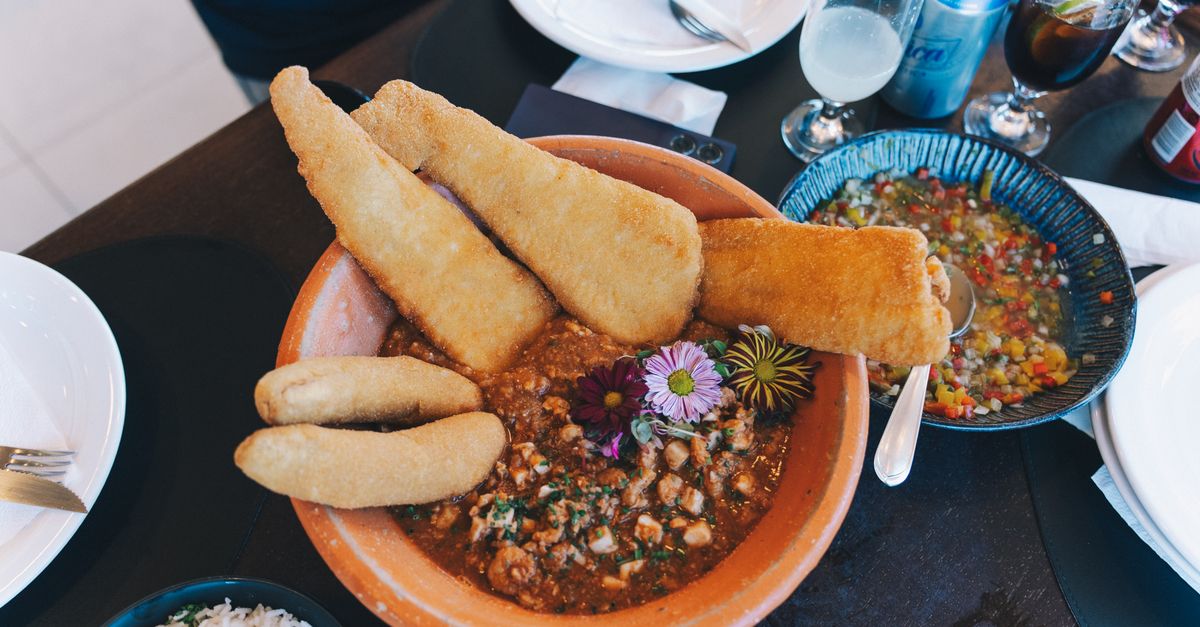
Picture yourself seated at a rustic wooden table in a small Garifuna village on Belize's coast, where the air is filled with the scent of the sea and simmering spices. Here, you’ll find hudut, a traditional Garifuna fish stew that combines the creamy texture of coconut milk with the subtle sweetness of ripe plantains. The fish, usually freshly caught snapper, is tender and flavorful, swimming in a broth that’s both comforting and invigorating. A serving of hudut might cost you between BZD 15-20 (about $7.50-10) at a local eatery, making it an affordable taste of everyday life in Belize.
The Story Behind the Dish
Hudut is a dish deeply rooted in the Garifuna culture, which is a blend of African, Arawak, and Carib influences. The Garifuna people have preserved their food traditions for generations, and hudut is a testament to their resilience and creativity. Traditionally, the dish was prepared by pounding green and ripe plantains together to create a soft, dough-like consistency, which is then served alongside the fish stew. This dish is not just about sustenance; it’s a celebration of community and heritage, often prepared for special occasions and shared among family and friends.
How Locals Eat It
In Belize, locals typically enjoy hudut as a communal meal, often accompanied by lively conversation and music. The plantain mash, known as fu-fu, is used to scoop up the fish and soak up the coconut broth. Eating with your hands is not only acceptable but encouraged, as it connects you more intimately with the food and the people sharing it. Many Belizeans prefer their hudut with a hint of spice, adding a few dashes of local hot sauce to the mix. For a truly local experience, try pairing your hudut with a cold Belikin beer.
Where to Find It
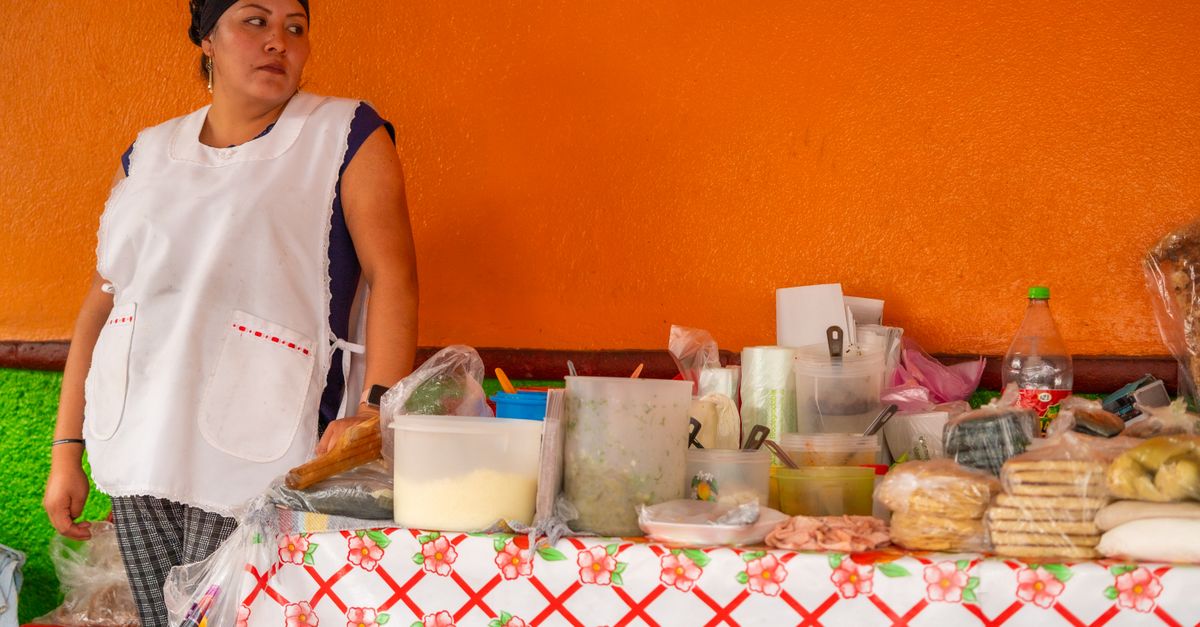
While hudut can be found in various eateries across Belize, the most traditional versions are often served in Garifuna communities such as Dangriga or Hopkins. These coastal towns are home to small, family-run restaurants where the recipes have been passed down through generations. To experience hudut as a local might, visit the local markets where fresh fish and plantains are sold daily. You can also find pre-made hudut in some supermarkets, though nothing beats the taste of a freshly prepared dish enjoyed in a community setting.
Regional Variations
Although hudut is a staple in Garifuna cuisine, variations exist depending on the region and the cook. In some areas, the stew might include additional ingredients like cassava or green bananas, adding different textures and flavors. The type of fish used can also vary, with some opting for barracuda or kingfish instead of snapper. In certain parts of Belize, you might find a version of hudut that's spicier, reflecting the local preference for heat. These variations highlight the adaptability of the dish and the creativity of those who prepare it.
Cost, Portions, and Ordering Tips
A typical serving of hudut in a local restaurant will cost you around BZD 15-20 (about $7.50-10), making it a reasonably priced meal for those exploring Belize. Portions are generally generous, often enough to satisfy a hearty appetite. When ordering, don't hesitate to ask for extra plantain mash if you enjoy the combination of textures. If you're dining in a more tourist-centric area, be prepared for slightly higher prices, but the quality and traditionality of the dish should remain intact.
What to Know Before You Try It
Before you explore a bowl of hudut, it's helpful to know a bit about the dish's cultural significance. Hudut is more than just a meal; it's a symbol of Garifuna identity and pride. The dish is traditionally prepared with care and attention to detail, and it's often shared among family and friends during celebrations. When trying hudut, be open to the experience of eating with your hands, as this is an integral part of the meal. Embrace the opportunity to connect with the local culture and the people around you.
Common Mistakes Visitors Make
One common mistake visitors make is expecting hudut to be a quick meal. In reality, it's a dish that requires time and patience to prepare, so be ready to wait a little longer for your food when ordering. Another mistake is underestimating the spice level; if you're not accustomed to spicy food, ask for a milder version. Lastly, some visitors miss out on the full experience by eating with utensils instead of their hands, which can detract from the traditionality of the meal.
Frequently Asked Questions
What is the main ingredient in hudut?
The main ingredients in hudut are fish, typically snapper, and a coconut milk-based broth. The dish is accompanied by plantain mash, known as fu-fu, which is made from both green and ripe plantains.
Is hudut spicy?
Hudut can be spicy, but the level of heat varies depending on the cook and the region. If you're sensitive to spice, you can request a milder version or add your own hot sauce to taste.
Can I find hudut outside of Garifuna communities?
Yes, while hudut is most traditionally prepared in Garifuna communities, it can also be found in restaurants throughout Belize, particularly in areas with a significant Garifuna population.
Is hudut suitable for vegetarians?
Hudut is primarily a fish stew, so it's not traditionally vegetarian. However, you might find variations that use vegetables or tofu as a substitute for fish, especially in more tourist-friendly areas.
Related Golden Horizons Guides
- Best Countries to Retire Abroad on a Budget
- Healthcare Abroad for American Retirees
- Retiring Abroad Checklist for Americans
- Visa Rules for Americans Retiring Abroad
About Golden Horizons
Golden Horizons is the retirement abroad magazine for Americans who aren't done yet.
Final Bite
Hudut offers a flavorful glimpse into Garifuna culture and Belizean life, perfect for those who appreciate hearty, traditional dishes. Whether you're a retiree considering a longer stay or a traveler eager to immerse yourself in local flavors, experiencing hudut is a must. Just remember to enjoy it in a setting that reflects the true spirit of Belizean hospitality.