Quick Taste
Fufu in Accra is a staple dish with a smooth, dough-like texture, and the city's chop bars are better for experiencing traditional flavors, while upscale restaurants offer a more refined ambiance. Fufu, made from cassava and plantains, is typically served with a variety of soups or stews, such as light soup, groundnut soup, or palm nut soup. In Accra, chop bars are the go-to spots for locals seeking hearty meals, providing a lively atmosphere where the dish is enjoyed with hands, enhancing the tactile experience.

Visitors to Accra will find that fufu is more than just a meal; it is a cultural experience. The texture of the fufu, often compared to a thick, elastic dough, complements the spicy flavors of the accompanying soups. Traditionally, fufu is eaten with the fingers, which allows diners to form small balls to dip into the soup. This tactile method of eating is integral to the experience and is usually accompanied by a glass of palm wine or a bottle of chilled Star beer. Variations in preparation and accompaniments are common, with some chop bars offering a spicier soup or a larger portion of meat. For first-time visitors, chop bars provide a more immersive experience, while those seeking a quieter environment might prefer a restaurant setting.
The Story Behind the Dish
Fufu has deep roots in West African food traditions, particularly in Ghana, where it is a staple food. The dish originated from the Akan people and has been a part of their diet for centuries. Traditionally, fufu is made by pounding boiled cassava and plantains in a large wooden mortar and pestle until a smooth, elastic consistency is achieved. This labor-intensive process is often a communal activity, bringing families and communities together.
The significance of fufu in Ghanaian culture goes beyond its nutritional value. It symbolizes unity and communal life, as it is typically prepared and consumed in a group setting. Over time, the method of preparation has evolved, with some modern households using blenders or food processors to achieve the desired texture. Despite these changes, the essence of fufu remains unchanged, serving as a reminder of Ghana’s cultural heritage and its people's resilience and adaptability.
How Locals Eat It
In Accra, fufu is a dish best enjoyed in the company of others, often at a local chop bar. These informal eateries are scattered throughout the city and are popular among locals for their affordable prices and traditional flavors. When dining at a chop bar, patrons typically order fufu with a choice of soup, such as light soup with goat meat or palm nut soup with fish. The dish is served in large bowls, with the fufu submerged in the soup, allowing it to absorb the flavors.

Eating fufu is an art in itself. Locals use their right hand to pinch off a small portion of fufu, shape it into a ball, and dip it into the soup. This method enhances the taste and texture, as the fufu absorbs the spicy flavors of the soup. It is customary to eat fufu without chewing, allowing it to slide down the throat, which is believed to enhance digestion. For those new to this experience, it might take a few tries to master the technique, but it is an essential part of enjoying the dish as the locals do.
Where to Find It
Accra is home to numerous chop bars where fufu is a staple on the menu. These establishments vary in size and ambiance, from small roadside stalls to larger, more established venues. Some of the most popular chop bars in Accra include Asanka Local, located in Osu, known for its lively atmosphere and flavorful soups. Another favorite is Buka Restaurant, which offers a slightly more upscale dining experience while maintaining the traditionality of traditional Ghanaian dishes.
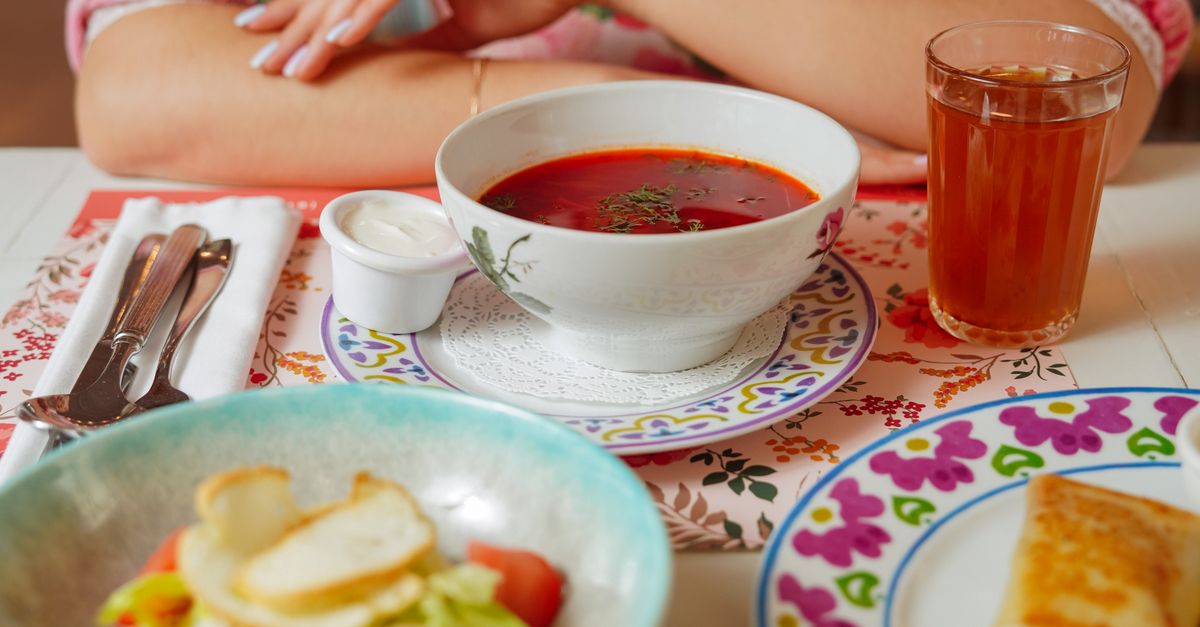
For those looking to explore beyond the city center, the neighborhood of Labadi offers several chop bars that are well-regarded by locals. Here, visitors can find chop bars like Labadi Maamobi Chop Bar, which is famous for its generous portions and spicy soups. Each chop bar has its own take on fufu, with variations in soup recipes and meat selections, allowing diners to experience a range of flavors and textures.
City vs. Countryside Flavor
The experience of eating fufu in Accra can differ significantly from that in the countryside. In the city, chop bars tend to be more commercialized, catering to a diverse clientele that includes both locals and tourists. The soups served in urban chop bars are often spicier and more complex, reflecting the influence of various cultures and culinary techniques. Additionally, city chop bars may offer a wider selection of meats, including goat, chicken, and fish, to cater to different tastes.
In contrast, the countryside offers a more traditional approach to fufu. Here, the dish is often prepared using age-old methods, with ingredients sourced directly from local farms. The soups are typically simpler, focusing on the natural flavors of the ingredients, and the meat selection is more limited, often featuring locally raised livestock. The countryside experience is more rustic and communal, with meals often shared among family members and neighbors. For those seeking a deeper understanding of Ghanaian culture, a visit to a countryside chop bar offers a glimpse into the traditional way of life and the role of fufu in it.
Cost, Portions, and Ordering Tips
Fufu is an affordable and filling meal, making it a popular choice among locals and visitors alike. In Accra, the price of a fufu meal at a chop bar typically ranges from 10 to 20 Ghanaian cedis, depending on the type of soup and meat chosen. Portions are generally generous, with a single serving of fufu and soup being enough to satisfy a hungry diner.
When ordering fufu, it is important to specify the type of soup and meat you prefer. Popular choices include light soup with goat meat, groundnut soup with chicken, and palm nut soup with fish. For those with dietary restrictions, it is advisable to inquire about the ingredients used in the soup, as some may contain allergens such as peanuts or shellfish. Additionally, chop bars often have a lively atmosphere, so it is helpful to be patient and polite when placing your order, as this can enhance your dining experience.
What to Know Before You Try It
Before trying fufu, it is helpful to be aware of a few cultural and practical considerations. Firstly, fufu is traditionally eaten with the right hand, as the left hand is considered unclean in Ghanaian culture. For those unfamiliar with this practice, it might take some time to get used to eating without utensils, but it is an integral part of the experience.
Additionally, the soups served with fufu can be quite spicy, so it is advisable to start with a milder option if you are not accustomed to spicy foods. It is also important to note that fufu is a heavy dish, and it is common to feel full after just a few bites. Therefore, it is best to pace yourself and enjoy the meal slowly, appreciating the flavors and textures. Lastly, be sure to stay hydrated, as the spiciness of the soups can leave you feeling thirsty.
Common Mistakes Visitors Make
One common mistake visitors make when trying fufu for the first time is attempting to eat it with utensils. While this may seem more convenient, it detracts from the traditional experience and can be seen as disrespectful by locals. Instead, embrace the traditional method of eating with your hands, and take the opportunity to learn from those around you.
Another mistake is underestimating the spiciness of the soups. Many visitors are unprepared for the heat and find themselves overwhelmed by the intensity of the flavors. To avoid this, start with a milder soup and gradually work your way up to spicier options. Finally, some visitors may be tempted to chew the fufu, but this is not the traditional way to eat it. Instead, allow the fufu to slide down your throat, as this enhances the overall experience and is believed to aid digestion.
Frequently Asked Questions
What is fufu made from?
Fufu is typically made from cassava and plantains, which are boiled and then pounded into a smooth, elastic dough. Some variations may use yams or cocoyams as well.
How should I eat fufu?
Fufu is traditionally eaten with the fingers of the right hand. Pinch off a small portion, shape it into a ball, and dip it into the accompanying soup. Avoid chewing the fufu; instead, let it slide down your throat.
Are there vegetarian options for fufu?
While fufu itself is vegetarian, the soups served with it often contain meat or fish. However, some chop bars may offer vegetarian soups upon request, so it's worth asking.
Is fufu gluten-free?
Yes, fufu is naturally gluten-free, as it is made from cassava and plantains, neither of which contain gluten. However, always confirm with the establishment to ensure no cross-contamination.
Related Golden Horizons Guides
- Best Countries to Retire Abroad on a Budget
- Healthcare Abroad for American Retirees
- Retiring Abroad Checklist for Americans
- Visa Rules for Americans Retiring Abroad
About Golden Horizons
Golden Horizons is the retirement abroad magazine for Americans who aren’t done yet.
Final Bite
Fufu in Accra offers a blend of tradition and taste, providing a window into Ghanaian culture through its flavors and dining customs. Whether you choose to enjoy it in a lively chop bar or a quieter restaurant, the experience is sure to leave a lasting impression. Remember to embrace the local customs, enjoy the spicy soups, and appreciate the communal atmosphere that makes eating fufu in Accra a memorable experience.