Quick Taste
Bread and sausage in Germany are staples of the national diet, offering a variety of textures and flavors that vary by region. In Bavaria, you’ll find sausages with a milder flavor and softer texture, while in Thuringia, the sausages are spicier and have a firmer bite. For bread, the hearty rye loaves of the north are perfect for those seeking robust flavors, while the southern regions boast lighter, crustier options ideal for first-time visitors.
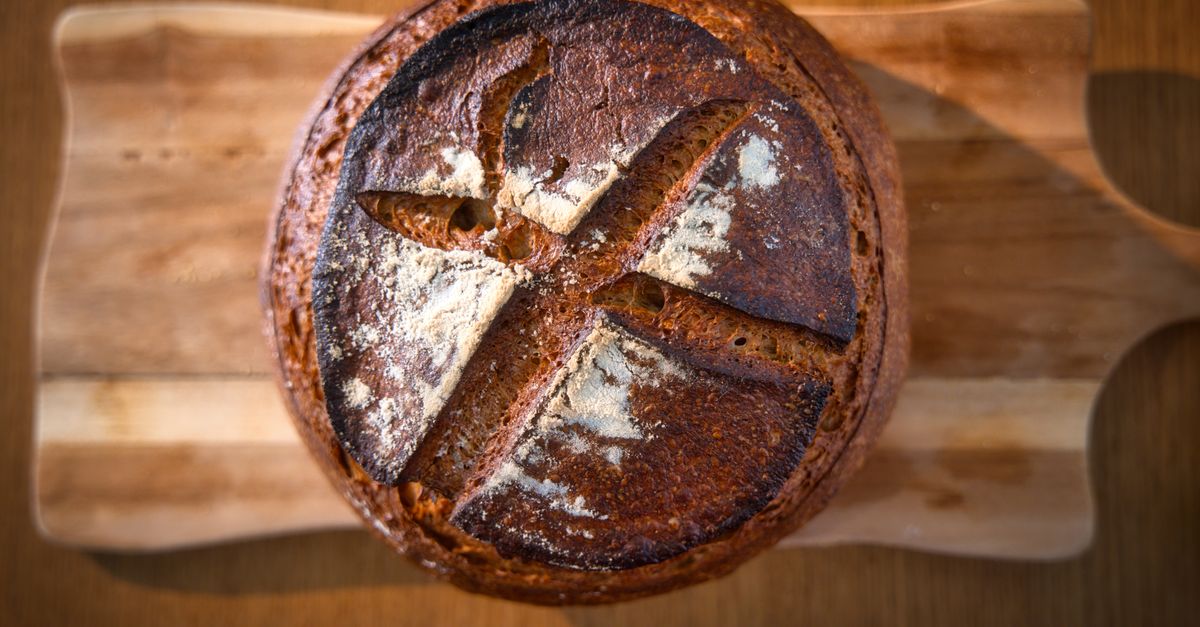
These foods are more than just sustenance; they are a point of regional pride and cultural identity. Visitors will encounter a dizzying array of breads, from dense Vollkornbrot to airy Brötchen, often accompanied by a selection of mustards and pickles. Sausages, or Wurst, are equally diverse, with Bratwurst, Weisswurst, and Currywurst being just a few of the popular varieties. Expect to find these dishes served at room temperature or hot, depending on the type, and often paired with a cold beer or a glass of regional wine.
The Story Behind the Dish
Germany's bread and sausage tradition dates back centuries, with each region developing its own unique recipes and techniques. The bread culture is so integral to German life that UNESCO recognized it as an intangible cultural heritage. German bread is typically made with a variety of grains, including rye, wheat, and spelt, each offering distinct flavors and textures. This diversity is a testament to the country's agricultural history and the resourcefulness of its people.
Sausages, on the other hand, have been a staple since the times of the Roman Empire. Each region boasts its own specialty, shaped by local ingredients and historical influences. For example, the spicy Thuringian sausage is said to have originated from medieval trade routes that brought exotic spices to the region. Meanwhile, the Bavarian Weisswurst is a nod to the area's Catholic roots, traditionally consumed before noon to ensure freshness.
How Locals Eat It
In Germany, bread and sausage are enjoyed in various settings, from casual street food stalls to formal dining establishments. Locals often start their day with a hearty breakfast of bread rolls, or Brötchen, served with butter, jam, and cold cuts. Lunchtime might feature a quick bite of Currywurst, a popular street food consisting of sliced sausage topped with curry-flavored ketchup.

Dinner is where regional pride truly shines. A traditional evening meal might include a variety of sausages served with sauerkraut and potatoes, accompanied by a selection of breads. In Bavaria, Weisswurst is often served with sweet mustard and pretzels, while in Berlin, a Berliner Pfannkuchen, a type of jelly-filled donut, might follow a savory meal.
Where to Find It
Bread and sausage can be found throughout Germany, but some regions are particularly renowned for their offerings. In Berlin, the lively markets and street vendors offer a wide range of sausages and breads, perfect for those looking to sample the local flavors. Meanwhile, the city of Munich is famous for its beer gardens, where visitors can enjoy Weisswurst and pretzels in a convivial atmosphere.

For a more traditional experience, head to the countryside towns of Thuringia or Saxony, where local butchers and bakers continue to produce their goods using age-old methods. These regions offer a glimpse into the artisanal craftsmanship that goes into making each loaf of bread and link of sausage, providing a deeper appreciation for these culinary staples.
City vs. Countryside Flavor
The flavors of bread and sausage in Germany can vary significantly between urban and rural areas. In cities like Berlin and Hamburg, the influence of international cuisines is evident, with innovative takes on traditional dishes. Here, you might find sausages served with exotic sauces or breads infused with unusual spices, catering to a cosmopolitan palate.
In contrast, the countryside offers a more traditional experience, with recipes passed down through generations. Rural areas tend to emphasize the quality of ingredients, often sourced locally, resulting in flavors that are deeply rooted in the land. The bread is typically denser and more rustic, while the sausages are crafted with a focus on preserving historical recipes.
Cost, Portions, and Ordering Tips
The cost of bread and sausage in Germany can vary depending on the region and type of establishment. In general, a loaf of bread might cost between 2 and 5 Euros, while a sausage dish in a casual eatery can range from 5 to 10 Euros. Street food options like Currywurst are often more affordable, usually priced around 3 to 4 Euros.
When ordering, it's helpful to know a few key phrases. For example, "Ein Brötchen, bitte" will get you a bread roll, while "Eine Bratwurst, bitte" will order you a sausage. Portions are typically generous, so consider sharing if you're sampling multiple dishes. Keep in mind that some traditional sausages, like Weisswurst, are meant to be eaten without the casing, so don't be afraid to ask for guidance if you're unsure.
What to Know Before You Try It
Before diving into Germany's bread and sausage offerings, there are a few things to keep in mind. First, be aware of dietary restrictions, as many sausages contain pork and are not suitable for vegetarians or those with specific dietary needs. However, vegetarian options are increasingly available, especially in larger cities.
Freshness is key, particularly for sausages like Weisswurst, which are traditionally consumed before noon. It's also worth noting that bread in Germany is often denser than what visitors might be used to, so don't be surprised if it feels heavier. Embrace the variety and don't hesitate to try different types, as each offers a unique taste experience.
Common Mistakes Visitors Make
One common mistake visitors make is not fully appreciating the regional differences in bread and sausage. It's easy to assume that all German sausages or breads are the same, but each region has its own specialties that are worth exploring. Take the time to ask locals for recommendations and try something new.
Another mistake is underestimating the portion sizes. German meals can be quite filling, so it's wise to pace yourself and perhaps share dishes if you're sampling multiple items. Finally, be mindful of dining etiquette; for instance, it's customary to eat Weisswurst without the casing and to pair it with sweet mustard and pretzels.
Frequently Asked Questions
What is the most popular type of bread in Germany?
The most popular type of bread in Germany is arguably the rye-based Vollkornbrot, known for its dense texture and hearty flavor. However, Brötchen, or bread rolls, are also widely consumed, particularly at breakfast. Each region has its own specialties, so the popularity can vary depending on where you are in the country.
Are there vegetarian options available for sausages?
Yes, vegetarian options for sausages are increasingly available in Germany, especially in urban areas. Many restaurants and food stalls offer plant-based versions of traditional sausages, made with ingredients like soy, seitan, or vegetables. It's always a good idea to check the menu or ask the staff for vegetarian choices.
How do I properly eat Weisswurst?
Weisswurst is traditionally eaten by removing the casing before consuming the sausage. This is typically done by cutting the sausage lengthwise and peeling back the casing. It's often served with sweet mustard and pretzels, making for a delicious combination. Remember to enjoy it before noon, as it's considered a breakfast or brunch dish.
What is Currywurst and where can I find it?
Currywurst is a popular German street food consisting of sliced sausage topped with a curry-flavored ketchup. It's often served with fries and is a favorite among locals and tourists alike. You can find Currywurst at street food stalls and fast-food restaurants throughout Germany, with Berlin being particularly famous for this dish.
Related Golden Horizons Guides
- Best Countries to Retire Abroad on a Budget
- Healthcare Abroad for American Retirees
- Retiring Abroad Checklist for Americans
- Visa Rules for Americans Retiring Abroad
About Golden Horizons
Golden Horizons is the retirement abroad magazine for Americans who aren’t done yet.
Final Bite
Germany's bread and sausage offerings are a testament to the country's food heritage and regional diversity. Whether you're enjoying a spicy Thuringian sausage or a slice of dense rye bread, each bite tells a story of tradition and local pride. For visitors, sampling these staples offers a delicious way to connect with the culture and history of Germany. So, don't miss the opportunity to explore the variety and enjoy the flavors that make German cuisine so distinctive.