Quick Taste
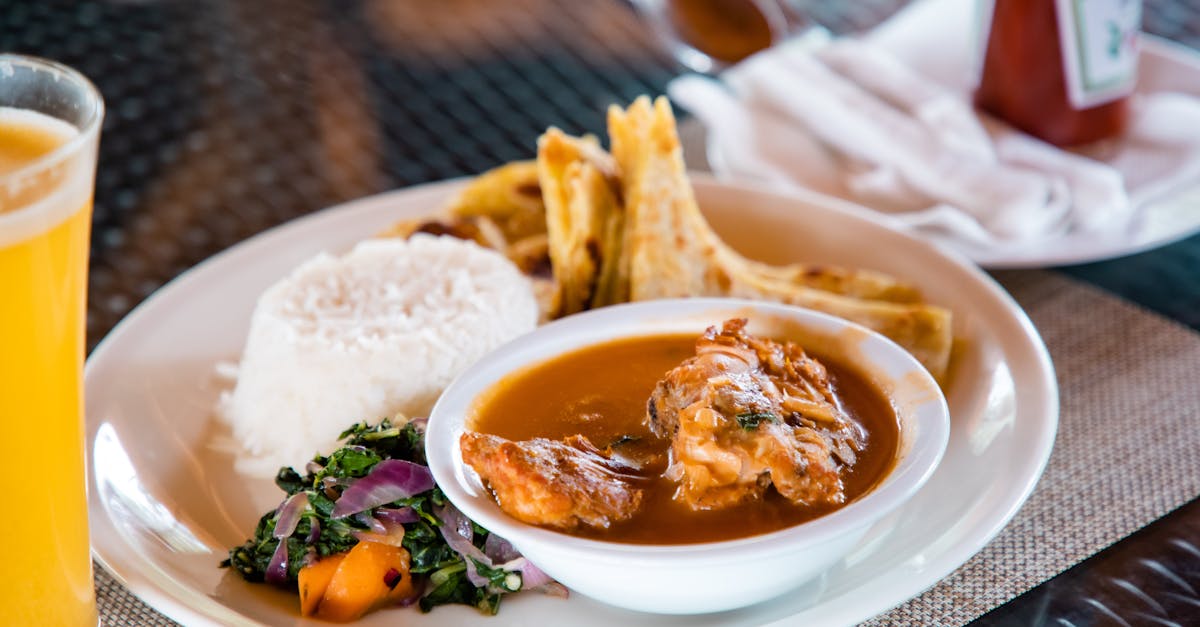
Doro Wat in Addis Ababa is a flavorful Ethiopian chicken stew with a rich, spicy taste and a thick, velvety texture. For traditional flavor, Addis Ababa's local eateries are exceptional, while modern versions can be found in upscale restaurants. Value seekers will appreciate the affordable street-side spots, and first-time visitors will find the city's central areas convenient for exploring this well-known dish.

For those visiting Addis Ababa, Doro Wat is a dish that speaks volumes about Ethiopian culture and hospitality. Typically served with injera, a spongy flatbread that acts as both a utensil and a side dish, Doro Wat is a communal meal meant to be shared. Variations of the dish can be found across the city, with some restaurants offering a milder version for those unaccustomed to the intense heat of berbere. First-time visitors should be prepared for a hearty meal that engages all the senses, from the aroma of spices to the tactile experience of eating with one's hands.
The Story Behind the Dish
Doro Wat is a staple in Ethiopian cuisine, known for its depth of flavor and cultural significance. Traditionally, this dish is prepared for special occasions and holidays, symbolizing warmth and hospitality. Its primary ingredients include chicken, onions, garlic, ginger, and a generous amount of berbere—a spice blend that gives Doro Wat its signature heat and complexity. The dish is slow-cooked to allow the flavors to meld, resulting in a thick, spicy stew often served with injera, a sourdough flatbread that acts as both a utensil and a side.
The cultural significance of Doro Wat extends beyond its ingredients. It is a symbol of hospitality and community, often served during family gatherings, religious festivals, and weddings. The communal aspect of dining in Ethiopia is highlighted in the serving of Doro Wat on a large platter, encouraging diners to share from a central dish. This tradition fosters a sense of unity and togetherness, making the experience of eating Doro Wat as meaningful as the dish itself.
How Locals Eat It
In Addis Ababa, Doro Wat is typically enjoyed during festive gatherings, family meals, or special celebrations. It is served family-style, with a large platter of injera at the center, topped with the stew. Diners use pieces of injera to scoop up the stew, enjoying the combination of spicy, tangy, and savory flavors. It is often accompanied by hard-boiled eggs, which absorb the stew's flavors, adding richness to each bite. Locals may pair it with tej, a honey wine, to balance the heat of the dish.

Eating with one's hands is customary, using pieces of injera to scoop up the stew and eggs. This tactile approach to dining is not only practical but also enhances the sensory experience. Meals are leisurely, with conversation and laughter punctuating the dining experience. For those new to Ethiopian cuisine, it's advisable to observe and follow the lead of local diners, who are often more than willing to share their customs and tips for enjoying the meal to its fullest.
Where to Find It
Visitors can find Doro Wat in various settings across Addis Ababa. Traditional restaurants, known locally as "Habesha restaurants," offer traditional versions, often accompanied by live music and cultural performances. Street vendors and market stalls provide more casual options, perfect for a quick and affordable meal. For those seeking a newer take, upscale eateries in the city's business district offer gourmet versions, sometimes with fusion elements.
In the heart of the city, establishments like Yod Abyssinia and Habesha 2000 are renowned for their popular atmospheres and traditional dishes. These venues often feature live music and traditional dance performances, providing a full cultural immersion alongside the meal. For a more laid-back experience, visitors can venture to the outskirts of the city, where traditional restaurants like Kategna offer a quieter setting with equally delicious offerings. These venues often have rustic decor and a more intimate ambiance, ideal for those looking to enjoy their meal at a slower pace. Regardless of the location, it's advisable to check the current menu and confirm opening hours, as these can vary.
City vs. Countryside Flavor
Addis Ababa offers a diverse range of Doro Wat experiences, from the lively city center to the quieter outskirts. In the city, diners will find a mix of traditional and newer versions, with restaurants catering to both locals and tourists. The convenience of city dining also means that ingredients are often sourced from local markets, ensuring freshness and quality.
In contrast, countryside restaurants often adhere to traditional recipes passed down through generations. The use of locally sourced ingredients, such as free-range chicken and homegrown spices, results in a dish that is both robust and traditional. Portions in the countryside are typically larger, reflecting the communal nature of rural dining. For those seeking an old-style flavor, the countryside offers a more genuine taste of Ethiopia's food heritage. While the city provides convenience and variety, the countryside offers a taste of traditional Ethiopian hospitality and flavors.
Cost, Portions, and Ordering Tips
Doro Wat in Addis Ababa is generally affordable, with prices ranging from 100 to 200 Ethiopian Birr ($2 to $4 USD) for a generous portion. Street vendors and market stalls offer the best value, while restaurants in tourist areas may charge slightly higher prices. Portions are typically large, designed for sharing. When ordering, it's helpful to ask for recommendations on spice levels, as the dish can vary in heat. Most places accept cash, but upscale restaurants may take cards.
For a balanced meal, consider ordering a side of kitfo or gomen, which complement the rich flavors of Doro Wat. It's also customary to order a round of tej or Ethiopian coffee, both of which enhance the dining experience. As prices can fluctuate, it's wise to treat them as moving targets and confirm the current menu before ordering.
What to Know Before You Try It
Doro Wat is a spicy dish, so those sensitive to heat should proceed with caution. The stew is gluten-free when served with injera, but the bread contains teff, which is naturally gluten-free. Be mindful of the spice level and ask for adjustments if necessary. Hygiene standards vary, so it's advisable to choose busy spots where food turnover is high, ensuring freshness. Seating in traditional restaurants is often communal, adding to the cultural experience.
Additionally, the communal nature of dining in Ethiopia means that meals are often shared, so it's polite to wait for everyone to be served before beginning. Eating with your hands is customary, and while it may feel unfamiliar at first, it quickly becomes second nature. It's also worth noting that the dish is typically served warm, as the flavors meld and intensify when heated.
Common Mistakes Visitors Make
Visitors often underestimate the spice level of Doro Wat, leading to an overwhelming dining experience. It's important to communicate your spice preference when ordering. Additionally, some may mistakenly use utensils, but the traditional way is to use injera to scoop the stew. Overpaying in tourist areas is another common issue; seeking out local eateries can provide a more traditional and budget-friendly experience.
One common mistake visitors make is underestimating the spiciness of Doro Wat. While the dish is flavorful, the heat can be overwhelming for those not used to it. It's important to communicate your spice preference when ordering to ensure a comfortable dining experience. Another mistake is not fully embracing the communal aspect of the meal. Sharing a platter of Doro Wat is a fundamental part of Ethiopian dining, and participating in this tradition enhances the overall experience.
Frequently Asked Questions
Is Doro Wat better in Addis Ababa or the countryside?
Addis Ababa offers convenience and variety, with both traditional and modern versions, while the countryside provides a more traditional, rustic experience with traditional preparation.
What does Doro Wat taste like?
Doro Wat has a rich, spicy flavor with a velvety texture, combining the heat of berbere spice with the savory depth of slow-cooked chicken and onions.
How much does Doro Wat usually cost?
In Addis Ababa, Doro Wat typically costs between 100 to 200 Ethiopian Birr ($2 to $4 USD), depending on the location and setting.
What should I order with Doro Wat?
Doro Wat is traditionally served with injera and often accompanied by hard-boiled eggs. Pairing it with tej, a honey wine, is a popular choice to balance the dish's spiciness.
Related Golden Horizons Guides
- Best Countries to Retire Abroad on a Budget
- Healthcare Abroad for American Retirees
- Retiring Abroad Checklist for Americans
- Visa Rules for Americans Retiring Abroad
About Golden Horizons
Golden Horizons is the retirement abroad magazine for Americans who aren’t done yet.
Final Bite
Doro Wat is more than just a meal; it's a cultural experience that offers a glimpse into Ethiopian hospitality and culinary tradition. Whether you're a spice enthusiast or a curious traveler, this dish provides a flavorful journey into the heart of Addis Ababa's popular food scene. Embrace the communal dining style and savor the rich flavors that define this well-known Ethiopian stew.