Quick Taste
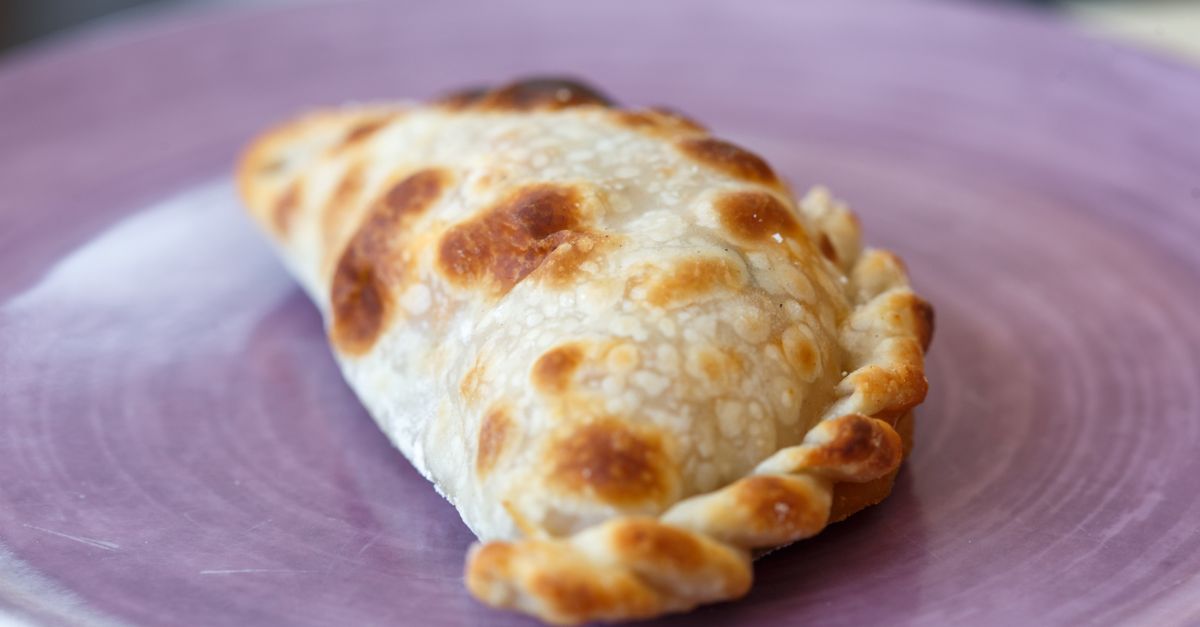
Imagine walking into a lively café in Salta, Argentina, where the air is filled with the savory aroma of freshly baked empanadas salteñas. These golden pastries are small enough to fit in your hand, yet they hold a juicy surprise inside—a flavorful mix of beef, potatoes, hard-boiled eggs, and spices, all encased in a perfectly baked crust. As you take a bite, the warm juices meld with the flaky pastry, creating a taste that is both comforting and exciting. Typically priced between ARS 100-150 (about $1-1.50 USD) each, these empanadas offer a delightful glimpse into everyday Argentine life, where food is as much about community as it is about flavor.

The Story Behind the Dish
Empanadas salteñas hail from the northwestern province of Salta, a region known for its food traditions. The dish has its roots in the Spanish empanada, which was introduced to the Americas during the colonial period. Over time, the people of Salta adapted the recipe to incorporate local ingredients and flavors, creating a distinct version that stands apart from its Spanish ancestor. The secret to the empanada salteña lies in its juicy filling, which is achieved by adding gelatin to the meat mixture, allowing the juices to solidify and then melt during baking. This technique ensures that each bite is moist and flavorful, a testament to the region's culinary ingenuity.
How Locals Eat It
In Salta, empanadas are more than just a snack—they are a social ritual. Locals often gather at empanaderías, small shops dedicated to these pastries, to enjoy them fresh out of the oven. Empanadas are typically eaten with the hands, and it's not uncommon to see people standing around a counter, chatting and enjoying their meal. A traditional accompaniment is a glass of local Torrontés wine, whose crisp acidity pairs well with the rich filling. For breakfast or a light lunch, empanadas are a popular choice, often enjoyed with a side of chimichurri sauce or a simple salad. Whether at a family gathering or a casual meet-up with friends, empanadas salteñas are a staple of social life in Salta.

Where to Find It
While empanadas salteñas can be found throughout Argentina, the best ones are in Salta itself. In the city, head to the Mercado San Miguel, a popular market where vendors sell freshly baked empanadas alongside other local specialties. Here, you can watch as the empanadas are made by hand, ensuring their traditionality. For those spending more time in the area, visiting a local bakery or a neighborhood empanadería offers a chance to see how the locals enjoy these pastries daily. Supermarkets also stock frozen versions, but nothing compares to the fresh, warm empanadas from a local shop. If you're adventurous, consider taking a cooking class to learn the art of making empanadas from scratch.

Regional Variations
While the empanada salteña is a classic, variations exist across Argentina, each reflecting the local palate. In Tucumán, empanadas are often smaller and spicier, with a filling that includes green onions and a touch of cumin. In Buenos Aires, you'll find empanadas with a wider range of fillings, from ham and cheese to spinach and ricotta, catering to the cosmopolitan tastes of the capital. In Patagonia, lamb empanadas are popular, highlighting the region's pastoral heritage. Each region adds its twist, but the essence of the empanada—a portable, savory pastry filled with a hearty mixture—remains the same. This diversity allows for endless exploration of flavors, making empanadas a dish that never gets old.
Cost, Portions, and Ordering Tips
Empanadas in Argentina are an affordable treat, with prices ranging from ARS 100-150 (about $1-1.50 USD) each in local markets and empanaderías. A typical serving might include two or three empanadas, making it a filling snack or a light meal. When ordering, you might hear locals ask for "una docena" (a dozen) to share among friends or family. If you're dining in a restaurant, empanadas are often served as an appetizer, and you can mix and match different fillings to suit your taste. For those planning a longer stay, buying ingredients at a local market and making empanadas at home can be a fun and cost-effective way to enjoy this Argentine favorite.
What to Know Before You Try It
Before you explore a plate of empanadas salteñas, there are a few things to keep in mind. First, these pastries are meant to be enjoyed hot, so be prepared for the juices to flow when you take a bite. It's a good idea to have a napkin handy! The filling can vary slightly depending on the cook, with some adding olives or raisins for an extra burst of flavor. If you're sensitive to spice, ask about the level of heat, as some versions can pack a punch. Finally, remember that empanadas are a communal food, so don't hesitate to share and enjoy them with others.
Common Mistakes Visitors Make
One common mistake visitors make is assuming that all empanadas are the same. Each region and even each empanadería can have its unique take, so it's worth trying different versions. Another error is overlooking the importance of the crust. A well-made empanada should have a flaky, slightly crispy crust that complements the juicy filling. Visitors often miss out on the full experience by opting for pre-packaged or reheated empanadas instead of seeking out freshly baked ones. Finally, don't skip the local accompaniments like chimichurri or a glass of Torrontés wine, which enhance the flavors of the empanada.
Frequently Asked Questions
What makes empanadas salteñas different from other empanadas?
Empanadas salteñas are known for their juicy filling, achieved by adding gelatin to the meat mixture. This technique ensures that the filling remains moist and flavorful, setting them apart from other types of empanadas.
Can I find vegetarian empanadas in Salta?
Yes, while traditional empanadas salteñas are made with beef, many places offer vegetarian options filled with ingredients like cheese, spinach, or corn, catering to different dietary preferences.
How do I eat an empanada without making a mess?
The key is to take small bites and hold the empanada upright to prevent the juices from spilling out. Having a napkin handy is also a good idea, as the filling can be quite juicy.
Are empanadas salteñas served at specific times of the day?
Empanadas are versatile and can be enjoyed at any time of the day, whether for breakfast, lunch, or as a snack. They are especially popular during social gatherings and celebrations.
Related Golden Horizons Guides
- Best Countries to Retire Abroad on a Budget
- Healthcare Abroad for American Retirees
- Retiring Abroad Checklist for Americans
- Visa Rules for Americans Retiring Abroad
About Golden Horizons
Golden Horizons is the retirement abroad magazine for Americans who aren't done yet.
Final Bite
Empanadas salteñas offer a delicious window into the everyday life of Salta, Argentina. Their rich flavors and communal nature make them an ideal dish to explore if you're considering spending extended time in the region. Before making any retirement decisions, it's worth visiting Salta to experience these juicy pastries firsthand, enjoying the taste of local life with each bite.