Quick Taste
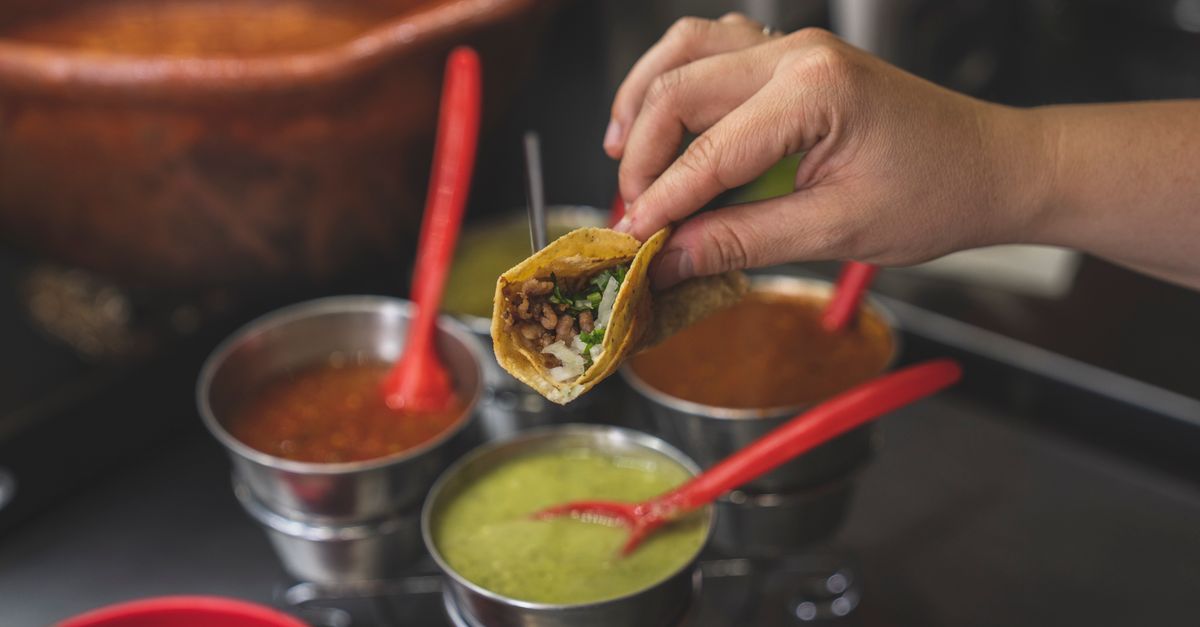
As you stroll through the lively market of Panajachel, the aroma of freshly grilled chuchitos—a type of Guatemalan tamale—fills the air. These small, corn-based treats are wrapped in corn husks and steamed until tender, with a savory filling of chicken or pork and a hint of tomato sauce. At just Q5-10 (about $0.65-$1.30) each, they make for an affordable and satisfying snack. Eating chuchitos by the lake, surrounded by the popular colors and sounds of local life, offers a genuine taste of everyday living in this attractive region.

The Story Behind the Dish
Chuchitos have deep roots in the Maya culinary tradition, which has thrived around Lake Atitlán for centuries. The dish reflects the region's reliance on corn, a staple in Maya culture, symbolizing life and sustenance. Traditionally, chuchitos were prepared for celebrations and community gatherings, a testament to their importance in local customs. Over time, the recipe has been passed down through generations, with each family adding its own twist. Today, these humble tamales continue to be a cherished part of the local diet, enjoyed by both residents and visitors seeking an traditional taste of Guatemalan heritage.
How Locals Eat It
For locals, chuchitos are a versatile meal, enjoyed at any time of day. They are often eaten for breakfast, accompanied by a cup of hot atol—a thick, sweet corn drink—or as a midday snack. In the evenings, families gather around the dinner table, sharing plates of chuchitos alongside fresh avocado slices and a sprinkle of chili powder for an extra kick. While tourists might gravitate towards more familiar fare, locals appreciate the simplicity and heartiness of chuchitos, which provide a quick, nourishing meal without breaking the bank.
Where to Find It
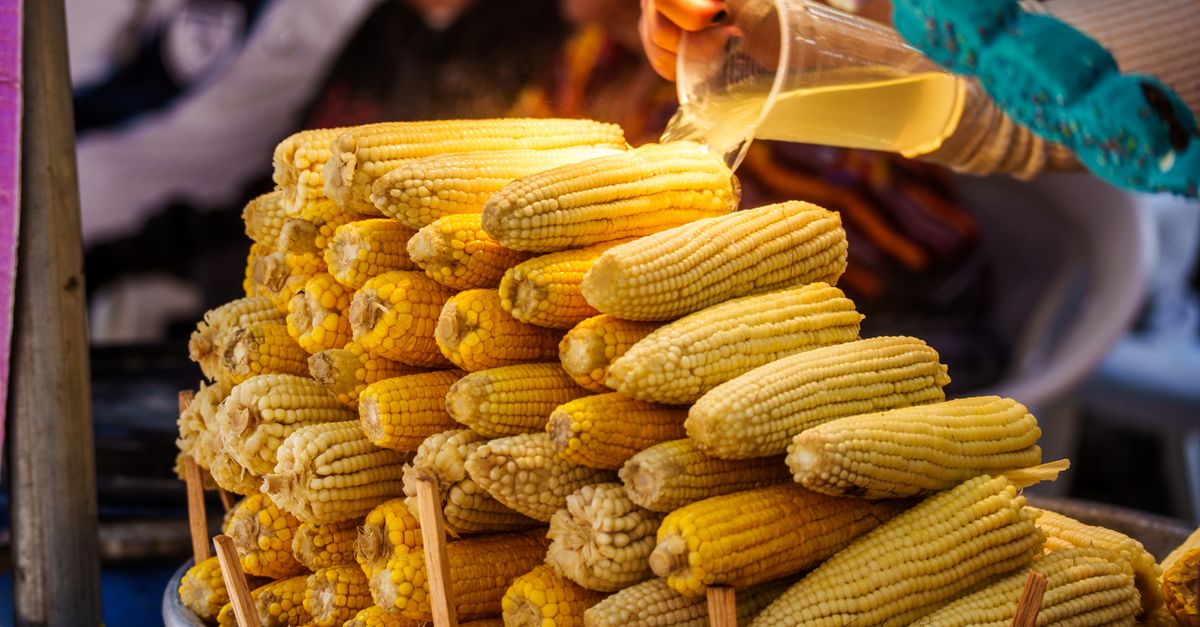
To experience chuchitos like a local, head to the lively markets of Panajachel or San Pedro La Laguna. Here, vendors set up makeshift stalls, steaming chuchitos in large pots and serving them with a smile. For a more intimate experience, visit a small comedor—a local eatery—where you can enjoy chuchitos alongside other traditional dishes like pepian or jocón. If you're considering a longer stay, explore the local supermarkets and tiendas, where you can buy fresh ingredients to prepare chuchitos at home, immersing yourself in the local food scene.
Regional Variations
While chuchitos are a staple around Lake Atitlán, variations can be found throughout Guatemala. In the highlands, they might include a spicy tomato sauce, while coastal versions may feature seafood fillings. Some cooks prefer to add a touch of achiote, lending a popular red color and earthy flavor to the dough. The choice of filling—chicken, pork, or even cheese—often reflects the available ingredients and personal preferences of the cook. This diversity showcases the adaptability of chuchitos, making them a canvas for regional flavors and culinary creativity.
Cost, Portions, and Ordering Tips
In the markets around Lake Atitlán, chuchitos are typically sold for Q5-10 (about $0.65-$1.30) each, making them an economical choice for budget-conscious travelers. A single chuchito can serve as a light snack, but you might want to order two or three for a more filling meal. When ordering, don't hesitate to ask for extra salsa or a side of lime wedges to enhance the flavors. If you're dining at a local eatery, consider pairing your chuchitos with a traditional soup or salad for a more complete meal, typically costing around Q30-50 (about $4-$6.50).
What to Know Before You Try It
Before diving into a plate of chuchitos, it's helpful to know that they are traditionally served with the corn husk still intact. To eat them, simply unwrap the husk and enjoy the tamale inside. Be prepared for a slightly dense texture, as the dough is made from masa harina, a type of corn flour. If you're sensitive to spice, ask for your chuchito without extra chili powder, as local versions can be quite fiery. Finally, remember that chuchitos are best enjoyed fresh, so seek out vendors with a steady stream of customers to ensure you're getting the freshest batch.
Common Mistakes Visitors Make
One common mistake visitors make is assuming that all tamales are the same. Chuchitos are distinct from other Guatemalan tamales, which are often larger and wrapped in banana leaves. Another pitfall is overlooking the importance of the accompanying salsa, which adds moisture and flavor to the dish. Visitors might also shy away from trying chuchitos due to their humble appearance, missing out on a truly local experience. Lastly, some travelers may be tempted to stick to tourist cafés, but venturing into local markets provides a more traditional and affordable food experience.
Frequently Asked Questions
Are chuchitos gluten-free?
Yes, chuchitos are typically gluten-free as they are made from masa harina, a corn-based flour. However, it's always best to confirm with the vendor, as cross-contamination can occur.
Can I find vegetarian chuchitos?
While traditional chuchitos are filled with meat, some vendors offer vegetarian versions with cheese or beans. It's worth asking around to find these options.
How do I reheat chuchitos?
To reheat chuchitos, steam them for a few minutes or microwave them with a damp paper towel to prevent drying out. This helps maintain their texture and flavor.
What's the difference between chuchitos and tamales?
Chuchitos are smaller, wrapped in corn husks, and have a firmer texture compared to the larger, banana leaf-wrapped tamales, which are often softer and more moist.
Related Golden Horizons Guides
- Best Countries to Retire Abroad on a Budget
- Healthcare Abroad for American Retirees
- Retiring Abroad Checklist for Americans
- Visa Rules for Americans Retiring Abroad
About Golden Horizons
Golden Horizons is the retirement abroad magazine for Americans who aren't done yet.
Final Bite
Eating chuchitos by Lake Atitlán offers more than just a meal; it's an immersion into the daily life and traditions of the Maya people. For those considering a longer stay or retirement in Guatemala, these experiences provide a glimpse into the everyday joys that life here can offer. Before making any decisions, spend a week exploring the markets and enjoying the flavors—it's the best way to truly understand what life around Lake Atitlán might be like.