Quick Taste
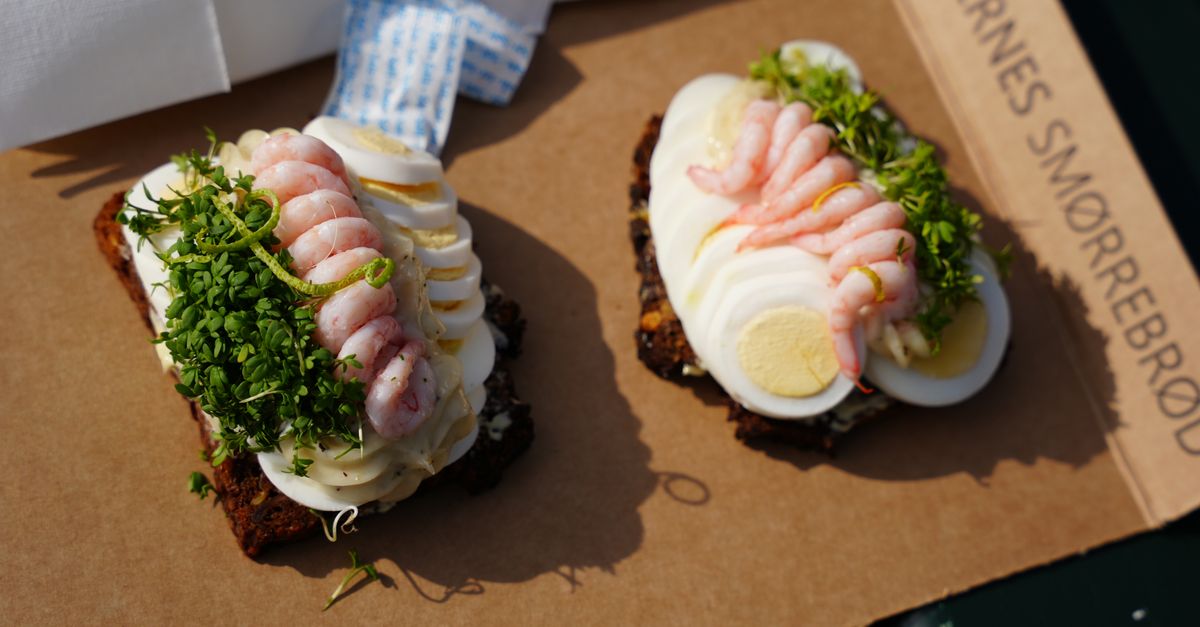
Open-faced sandwiches, or "smørrebrød," in Copenhagen are a Danish tradition featuring a slice of dense rye bread topped with a variety of fresh ingredients like pickled herring, cured meats, and seasonal vegetables. In the heart of Copenhagen, you'll find that the city offers a more contemporary and creative take on these sandwiches, making it ideal for those seeking diverse flavor profiles. Meanwhile, the outskirts and countryside areas provide a more traditional experience, focusing on classic toppings and rustic charm.
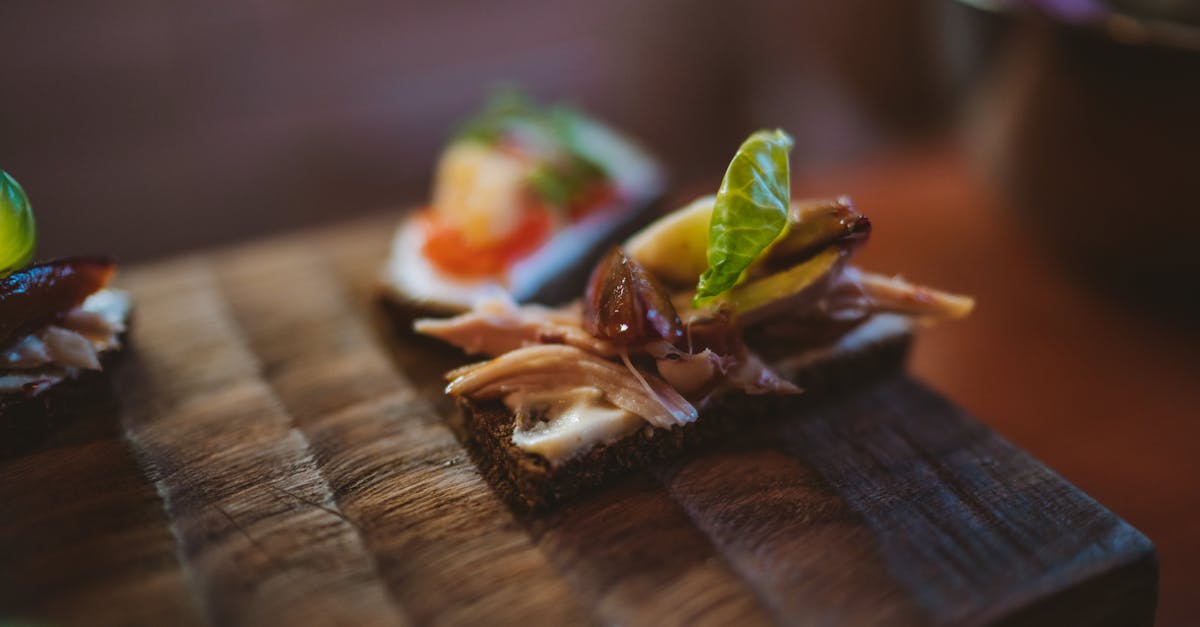
Smørrebrød holds a special place in Danish food culture, serving as a staple lunch option that showcases the simplicity and elegance of Nordic ingredients. Visitors can expect a combination of textures and flavors, with the chewy rye bread providing a hearty base for creamy spreads, tangy pickles, and crisp vegetables. Variations abound, from the traditional roast beef with remoulade and fried onions to more adventurous combinations like smoked salmon with dill and capers. Whether enjoyed at a lively café or a quiet countryside inn, these open-faced sandwiches offer a taste of Denmark's food heritage.
The Story Behind the Dish
The history of smørrebrød dates back to the 19th century when it was a practical meal for farmers and laborers. The dense rye bread, known as "rugbrød," was an economical choice that provided sustenance throughout the day. Over time, the simple bread and butter evolved into an art form, with toppings becoming more elaborate and diverse as Danish society embraced the concept of hygge, or coziness, in their dining experiences.
As Denmark's food scene developed, smørrebrød became a canvas for chefs to express creativity while honoring traditional flavors. The dish gained popularity beyond Denmark's borders, drawing food enthusiasts eager to experience its combination of ingredients. Today, smørrebrød is celebrated not only for its taste but also for its role in Danish culture, representing a blend of history, innovation, and the Danish ethos of enjoying life's simple pleasures.
How Locals Eat It
In Copenhagen, smørrebrød is a lunchtime favorite, often enjoyed with a cold beer or a shot of aquavit. Locals typically order a selection of sandwiches, enjoying each one slowly to appreciate the balance of flavors. It's common to start with lighter options, such as fish or seafood, before moving on to heartier meat-based sandwiches.

Danish etiquette dictates that smørrebrød should be eaten with a knife and fork, rather than with hands. This practice not only maintains the integrity of the toppings but also adds a touch of formality to the meal. Accompaniments often include pickles, fresh herbs, and a dollop of remoulade or mustard, enhancing the overall taste experience. For those new to smørrebrød, locals recommend trying a variety of toppings to fully appreciate the range of flavors and textures.
Where to Find It
Copenhagen offers a plethora of options for enjoying smørrebrød, from traditional eateries to modern bistros. Torvehallerne, the city's popular food market, is an excellent starting point, boasting numerous stalls that serve freshly prepared sandwiches. For a classic experience, head to Restaurant Schønnemann, a historic establishment known for its extensive smørrebrød menu featuring both traditional and innovative options.

For a more contemporary take, Aamanns is a must-visit, offering artisanal smørrebrød crafted with locally sourced ingredients. The restaurant's commitment to quality and creativity has earned it a reputation as a pioneer in modern Danish cuisine. Whether you're exploring the popular streets of Nørrebro or the pleasant canals of Christianshavn, you're sure to find a smørrebrød experience that suits your taste.
City vs. Countryside Flavor
In Copenhagen, the smørrebrød scene is dynamic, with chefs experimenting with unconventional ingredients and presentation styles. The city is a hub for culinary innovation, where newer versions of smørrebrød often feature exotic spices, international influences, and artistic plating. This urban approach appeals to those seeking new flavors and a contemporary dining experience.
Conversely, the countryside offers a more traditional perspective on smørrebrød. Here, the focus is on time-honored recipes and locally sourced ingredients. The sandwiches are often simpler, emphasizing the natural flavors of the bread and toppings. This rustic approach provides a comforting and nostalgic experience, appealing to those who appreciate the traditionality and history of Danish cuisine. Whether you prefer the lively creativity of the city or the serene simplicity of the countryside, Denmark's smørrebrød culture offers something for every palate.
Cost, Portions, and Ordering Tips
Smørrebrød is typically priced per piece, with costs ranging from 50 to 150 DKK depending on the complexity and ingredients. In Copenhagen, expect to pay a premium for gourmet versions at upscale restaurants, while traditional eateries and markets offer more budget-friendly options. Portions are generally generous, with one to three sandwiches constituting a satisfying meal.
When ordering, it's wise to ask for recommendations based on seasonal ingredients, as these often highlight the freshest flavors. For those with dietary restrictions, many establishments offer vegetarian and gluten-free options, ensuring everyone can enjoy this Danish delicacy. To fully experience smørrebrød, consider sharing a variety of sandwiches with friends or family, allowing you to sample a wider range of flavors.
What to Know Before You Try It
Before diving into the world of smørrebrød, it's helpful to understand the cultural significance of this dish. It's not just a meal but an experience that embodies Danish values of simplicity, quality, and enjoyment. The toppings are carefully selected to complement the robust rye bread, creating a harmonious balance of flavors.
For first-time visitors, it's important to note that smørrebrød is meant to be enjoyed slowly. The Danish approach to dining emphasizes relaxation and enjoyment, encouraging diners to take their time and appreciate each bite. Additionally, while many toppings are familiar, some may include ingredients like pickled herring or liver pâté, which can be an acquired taste for some. Approach these with an open mind, and you may find new favorites.
Common Mistakes Visitors Make
One common mistake visitors make is underestimating the filling nature of smørrebrød. While they may appear small, the dense rye bread and hearty toppings are quite satisfying. It's advisable to start with one or two pieces and order more if needed, rather than overcommitting initially.
Another error is neglecting to use utensils. Eating smørrebrød with a knife and fork is not only traditional but also practical, as it prevents the toppings from spilling. Additionally, some visitors may overlook the importance of pairing their meal with a drink. A cold beer or aquavit enhances the flavors and complements the richness of the toppings, making for a more complete dining experience.
Frequently Asked Questions
What is the best time to eat smørrebrød in Copenhagen?
Smørrebrød is traditionally enjoyed during lunch hours, typically between 11:00 AM and 2:00 PM. Many restaurants and cafes serving smørrebrød may close after lunch, so it's best to plan your visit accordingly.
Are there vegetarian options for smørrebrød?
Yes, many places in Copenhagen offer vegetarian smørrebrød options. Common toppings include roasted vegetables, cheese, and egg-based spreads. Always check the menu or ask the staff for vegetarian recommendations.
Can I find gluten-free smørrebrød in Copenhagen?
Gluten-free smørrebrød is available at select establishments. Some places offer gluten-free bread alternatives, while others may prepare gluten-free versions upon request. It's advisable to call ahead to confirm availability.
How do I pronounce "smørrebrød"?
The Danish pronunciation of smørrebrød is roughly "smuhr-bruth." The "ø" is a unique Danish vowel sound, similar to the "i" in "bird." Don't worry if you don't get it perfect; locals will appreciate your effort.
Related Golden Horizons Guides
- Best Countries to Retire Abroad on a Budget
- Healthcare Abroad for American Retirees
- Retiring Abroad Checklist for Americans
- Visa Rules for Americans Retiring Abroad
About Golden Horizons
Golden Horizons is the retirement abroad magazine for Americans who aren’t done yet.
Final Bite
Copenhagen's smørrebrød culture offers a window into Danish food traditions, blending history with modern creativity. Whether you're enjoying a classic herring-topped sandwich in a traditional eatery or exploring innovative combinations in a trendy bistro, smørrebrød provides a taste of Denmark's commitment to quality and enjoyment. As you navigate the popular streets of Copenhagen or the serene Danish countryside, let smørrebrød be your guide to understanding the heart of Danish cuisine.