Quick Taste
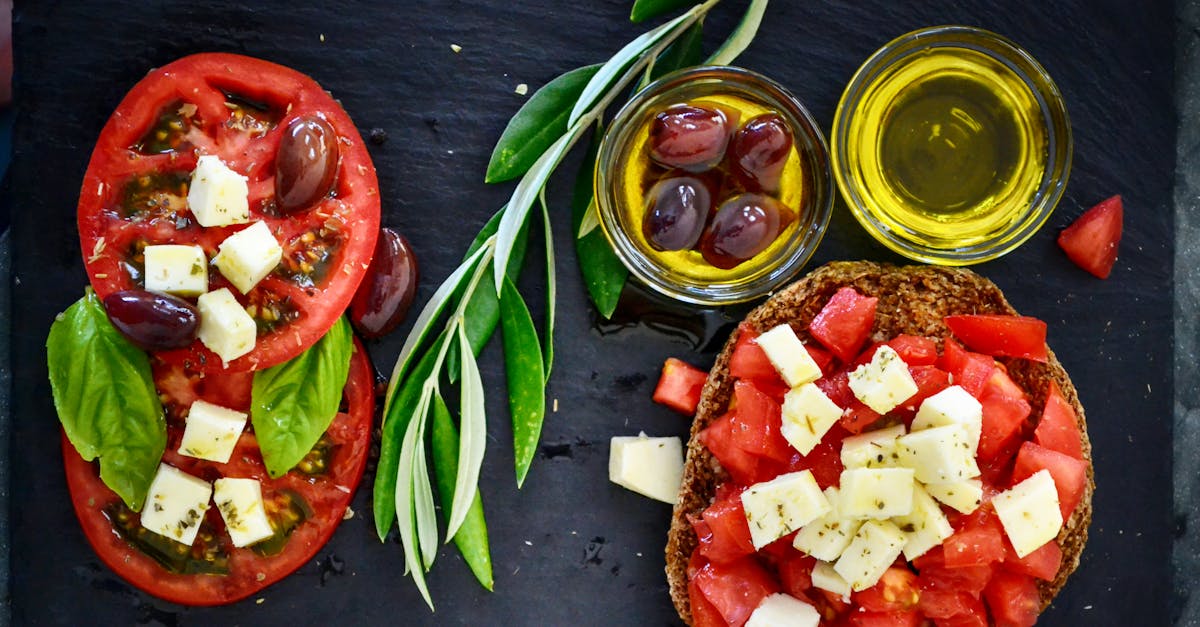
As the midday sun warms the island of Crete, you find yourself at a seaside taverna, a plate of dakos before you. This traditional Cretan dish is a popular salad featuring barley rusks soaked in olive oil, topped with ripe tomatoes, crumbled feta, and a sprinkle of oregano. The rusks, initially hard and crunchy, soften to perfection under the juicy tomatoes and fragrant oil, creating a delightful contrast of textures. Expect to pay around EUR 4-6 (about $5-7) for a generous portion. Dakos is more than a meal; it's a taste of everyday life in Crete, where fresh, local ingredients are celebrated.

The Story Behind the Dish
Dakos, also known as koukouvagia, has been a staple in Cretan cuisine for centuries. Originating from the necessity to preserve bread in the arid climate, barley rusks became a practical solution. Over time, these rusks were transformed into a popular dish, reflecting the island's resourcefulness and deep connection to its agricultural roots. The use of fresh tomatoes and feta cheese highlights the island's abundant produce, while the olive oil, often produced from local groves, adds a distinctive flavor that ties the dish to its Mediterranean heritage.
How Locals Eat It
In Crete, dakos is more than just a salad; it's a way of life. Locals often enjoy it as a light lunch or a meze, paired with a glass of local wine or raki. The dish is typically shared among friends and family, embodying the communal spirit of Greek dining. You might find variations with different types of cheese, such as mizithra, or additional toppings like capers or olives. The key is in the freshness of the ingredients and the quality of the olive oil, which locals insist must be extra virgin.

Where to Find It
While dakos can be found in most tavernas across Crete, the best versions are often in smaller, family-run establishments where recipes have been passed down through generations. Try visiting the Heraklion Market, where you can pick up fresh ingredients to make your own dakos at home. Alternatively, the coastal towns of Chania and Rethymno offer inviting spots where you can enjoy dakos with a view of the Aegean Sea. For those living in Crete, local supermarkets and bakeries sell the essential barley rusks.

Regional Variations
Though dakos is quintessentially Cretan, variations exist across the Greek islands. On Naxos, you might find a version that uses the island's famous potatoes, while in Santorini, cherry tomatoes add a unique sweetness. In some regions, dakos is served with a drizzle of honey, adding a touch of sweetness to the savory dish. Each variation reflects the local produce and culinary preferences, offering a new twist on a traditional favorite. However, the core elements of barley rusks, tomatoes, and olive oil remain consistent.
Cost, Portions, and Ordering Tips
A typical serving of dakos in a taverna will cost between EUR 4-6 (about $5-7), making it an affordable option for a light meal. Portions are usually generous, often enough to share or serve as a satisfying solo lunch. When ordering, don't hesitate to ask for extra olive oil or a different cheese topping if you prefer. If you're making dakos at home, barley rusks can be purchased for around EUR 2-3 (about $2-4) per bag, and a bottle of quality local olive oil will set you back about EUR 8-10 (about $9-12).
What to Know Before You Try It
Dakos is best enjoyed fresh, with high-quality ingredients. The rusks should be soaked just enough to soften without becoming mushy, maintaining a pleasant crunch. Keep in mind that the dish is traditionally served at room temperature, allowing the flavors to meld beautifully. If you're dining out, be prepared for a leisurely meal, as Greek dining is a relaxed affair. For those cooking at home, experiment with different toppings to suit your taste, but always prioritize fresh, ripe tomatoes and good olive oil.
Common Mistakes Visitors Make
Visitors often mistake dakos for bruschetta, expecting a similar texture. However, the key to dakos is the balance between the softened rusks and the fresh toppings. Another common error is underestimating the importance of the olive oil; using a subpar oil can significantly alter the flavor. Tourists might also overlook the variety of cheeses available, sticking only to feta when mizithra offers a creamier alternative. Finally, rushing through the meal rather than enjoying it slowly can detract from the experience.
Frequently Asked Questions
What is the main ingredient in dakos?
The main ingredient in dakos is barley rusks, which are double-baked pieces of bread that form the base of the dish. These rusks are then topped with fresh tomatoes, feta cheese, and olive oil.
Can dakos be made with gluten-free rusks?
Yes, gluten-free rusks can be used to make dakos, although they might alter the texture slightly. Look for them in health food stores or specialized bakeries in Crete.
Is dakos served hot or cold?
Dakos is typically served at room temperature. This allows the flavors of the tomatoes, cheese, and olive oil to meld together, enhancing the overall taste of the dish.
What drink pairs well with dakos?
A crisp white wine or a glass of raki, a traditional Greek spirit, pairs well with dakos. These drinks complement the freshness of the dish without overpowering its flavors.
Related Golden Horizons Guides
- Best Countries to Retire Abroad on a Budget
- Healthcare Abroad for American Retirees
- Retiring Abroad Checklist for Americans
- Visa Rules for Americans Retiring Abroad
About Golden Horizons
Golden Horizons is the retirement abroad magazine for Americans who aren't done yet.
Final Bite
Dakos offers a delicious glimpse into the everyday life of Crete, where fresh ingredients and simple preparations shine. It's a dish that encourages you to slow down, savor each bite, and appreciate the island's food traditions. If you're considering spending time in Crete, sampling dakos is a flavorful way to imagine yourself living the relaxed, sun-drenched life of this beautiful Mediterranean island.