Quick Taste
Dalmatian seafood in Croatia is a celebration of the Adriatic's bounty, known for its fresh flavors and simple preparation using olive oil. Coastal villages like Split offer the best traditional flavors, while Dubrovnik is ideal for newer versions. For value, head to smaller villages, and for convenience, larger cities are your best bet. First-time visitors should start in Split for a balanced introduction to local cuisine.

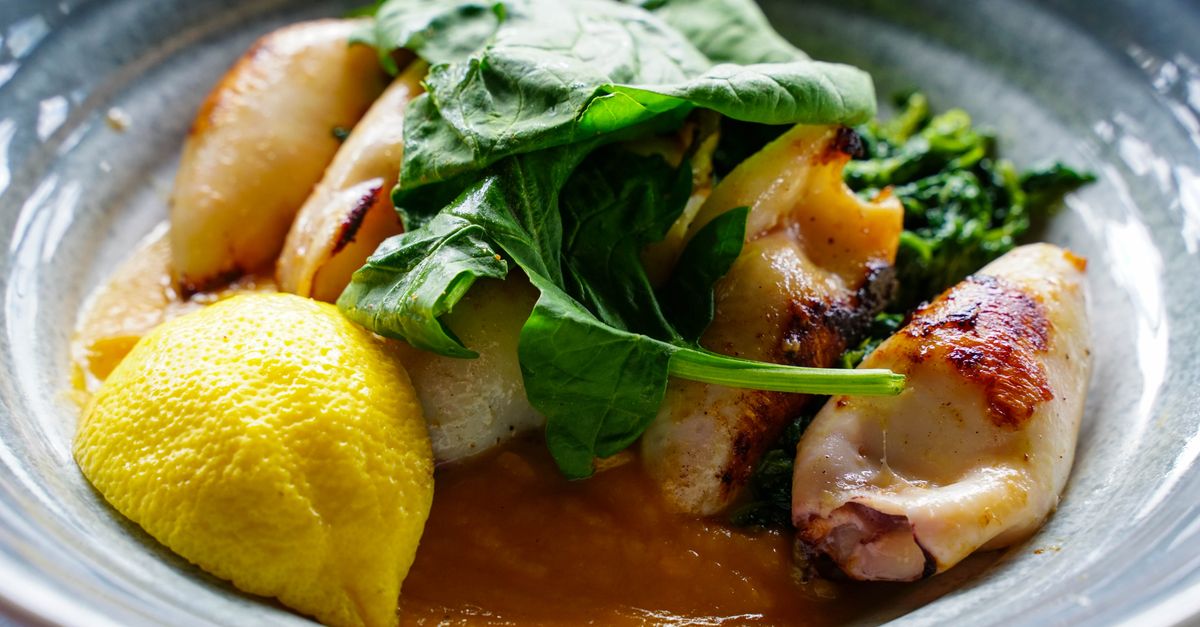
In these coastal areas, visitors will encounter a cuisine that highlights the sea's offerings, with fish, shellfish, and octopus frequently featured. These ingredients are often grilled or stewed, allowing their natural flavors to shine. Olive oil, a staple in Dalmatian cooking, enhances the seafood's taste with its smooth, fruity finish. Meals are typically served in a relaxed, family-style setting, where the simplicity of the dishes allows the quality of the ingredients to stand out. Expect to find dishes like grilled sardines, black risotto made with cuttlefish ink, and buzara, a shellfish stew cooked with garlic, wine, and parsley. These meals are often accompanied by fresh, crusty bread and a glass of local white wine, such as Pošip or Grk.
The Story Behind the Dish
The Dalmatian coast, with its pristine waters and maritime history, has long been a hub for seafood enthusiasts. The region's cuisine is deeply rooted in its history as a crossroads of Mediterranean cultures, each leaving a culinary imprint. The Greeks, Romans, Venetians, and Ottomans have all influenced the flavors and techniques found in Dalmatian cooking today.
Seafood has always been a cornerstone of Dalmatian cuisine, thanks to the Adriatic Sea's abundant resources. Fishing is not just an economic activity but a way of life for many coastal communities. Olive oil, another key component of the cuisine, has been produced in the region for over two millennia, with ancient groves still dotting the landscape. This long-standing tradition of olive cultivation contributes to the high-quality oil that is a hallmark of Dalmatian dishes. Common ingredients include freshly caught fish, shellfish, and octopus, often grilled or prepared in a simple stew called "brudet." This simplicity highlights the natural flavors of the seafood, enhanced by herbs like rosemary and parsley.
How Locals Eat It
In Dalmatia, seafood is a way of life. Locals typically enjoy these dishes as part of a leisurely lunch or dinner, often accompanied by a glass of local white wine, such as Pošip or Grk. Meals are casual and communal, with dishes served family-style. A typical meal might start with a platter of marinated anchovies or octopus salad, followed by grilled fish or a seafood risotto. Olive oil is drizzled generously over everything, and crusty bread is a must for soaking up sauces.

Locals often start their meals with a light appetizer, such as pršut (Dalmatian prosciutto) or cheese from the island of Pag. These are usually paired with marinated anchovies or a simple tomato salad. For a heartier option, black risotto, made with cuttlefish ink, is a popular choice. This dish is deeply savory and pairs well with a crisp white wine. Meals typically conclude with a sweet treat, like rožata, a caramel custard similar to flan.
Where to Find It
Visitors can find traditional Dalmatian seafood in various settings, from lively city markets to quaint village taverns. Split's fish market is a lively spot to experience the local seafood culture, while coastal villages like Trogir and Hvar offer traditional konobas (taverns) with sea views. For a more upscale experience, Dubrovnik's Old Town has several restaurants serving modern takes on classic dishes.

To experience the best of Dalmatian seafood, head to the coastal villages where local taverns, known as konobas, serve up traditional dishes in a cozy, informal setting. Places like Trogir, Hvar, and Korčula are renowned for their seafood offerings, with many establishments sourcing their ingredients directly from local fishermen. In larger cities such as Split and Dubrovnik, you'll find a mix of traditional and modern takes on Dalmatian cuisine. Here, upscale restaurants offer a more refined dining experience, often incorporating international influences into their menus. For a truly local experience, visit the fish markets in Split or Rijeka, where you can select your own seafood and have it prepared to order at nearby eateries.
City vs. Countryside Flavor
In cities like Split and Dubrovnik, seafood dishes often come with a newer take, catering to a diverse international clientele. Here, you might find innovative pairings and presentation styles. The dining scene is dynamic, with a wide range of options from street food to high-end restaurants. The focus is often on innovation and presentation, with chefs experimenting with new techniques and flavors while still honoring traditional ingredients.
In contrast, the countryside and smaller coastal villages offer a more rustic, laid-back dining experience. Here, the emphasis is on simplicity and traditionality, with recipes passed down through generations. Meals are often cooked over open fires or in wood-fired ovens, imparting a distinct smoky flavor to the dishes. The pace is slower, allowing diners to enjoy each bite and appreciate the natural beauty of the surroundings. Villages provide larger portions and more traditional flavors, often at a lower cost, making them ideal for those seeking an traditional experience.
Cost, Portions, and Ordering Tips
Dining in Dalmatia can be quite affordable, especially in the smaller villages where meals are typically served family-style. Expect to pay between $15 to $30 for a seafood dish in cities, while village prices might range from $10 to $20. Portions are generally generous, making it easy to share dishes among a group. Cash is preferred in smaller establishments, but credit cards are widely accepted in cities.
When ordering, it's helpful to ask for the catch of the day ("dnevni ulov"), as this will ensure you're getting the freshest seafood available. Don't hesitate to ask for recommendations from the staff, as they can often suggest the best pairings or lesser-known local specialties. Be mindful that some restaurants may charge extra for side dishes, so clarify what's included with your order. It's also wise to inquire about portion sizes if you're planning to sample multiple dishes.
What to Know Before You Try It
Before trying Dalmatian cuisine, it's important to understand that the focus is on fresh, high-quality ingredients rather than complex preparations. Seafood is often simply grilled or stewed, allowing the natural flavors to shine. Olive oil is used liberally, both for cooking and as a finishing touch, so be prepared for its distinctive taste.
Wine is an integral part of the dining experience, with many local varieties to choose from. White wines, such as Pošip and Malvasia, are popular choices to accompany seafood, while red wines like Plavac Mali are often served with heartier dishes. If you have dietary restrictions, it's best to inform the restaurant staff in advance, as many traditional dishes may contain shellfish or other allergens. While Dalmatian seafood is generally safe and fresh, those with shellfish allergies should exercise caution. Many dishes feature shellfish, and cross-contamination is possible in mixed seafood platters. The cuisine is not overly spicy, focusing instead on the natural flavors of the ingredients. Gluten is rarely a concern unless bread is involved, but always confirm with your server if you have dietary restrictions.
Common Mistakes Visitors Make
One common mistake visitors make is overlooking the smaller, family-run konobas in favor of more prominent restaurants. These humble establishments often offer the most satisfying meals, with recipes that have been honed over generations. Another error is failing to inquire about daily specials, which can include unique, seasonal dishes not listed on the menu.
Visitors should also be cautious about over-ordering, as portions are typically large and intended for sharing. It's a good idea to start with a few dishes and order more if needed. Lastly, don't forget to enjoy the leisurely pace of dining in Dalmatia. Meals are meant to be enjoyed slowly, with plenty of time to appreciate the flavors and the company. A common mistake is sticking to tourist-heavy areas, missing out on the traditional flavors found in local haunts. Visitors often overlook the importance of olive oil in enhancing the taste of seafood, so don't shy away from dishes that highlight this ingredient. Another error is ordering without asking about the day's freshest catch, which can lead to a less satisfying meal.
Frequently Asked Questions
Is Dalmatian seafood better in Split or Dubrovnik?
Split offers more traditional flavors and value, while Dubrovnik provides newer versions and convenience.
What does Dalmatian seafood taste like?
It features fresh, natural flavors with a hint of the sea, enhanced by olive oil and herbs.
How much does a typical seafood meal cost in Dalmatia?
In cities, expect to pay $15 to $30, while in villages, prices range from $10 to $20.
What should I order with Dalmatian seafood?
Pair it with local white wine and crusty bread to enhance the meal.
Related Golden Horizons Guides
- Best Countries to Retire Abroad on a Budget
- Healthcare Abroad for American Retirees
- Retiring Abroad Checklist for Americans
- Visa Rules for Americans Retiring Abroad
About Golden Horizons
Golden Horizons is the retirement abroad magazine for Americans who aren’t done yet.
Final Bite
Dalmatian seafood and olive oil meals offer a taste of Croatia's rich coastal culture. Perfect for those who appreciate simple, fresh ingredients, these dishes reveal a way of life that values communal dining and the bounty of the sea. Whether you're a seasoned traveler or a first-time visitor, diving into this culinary tradition promises a memorable experience.