Quick Taste
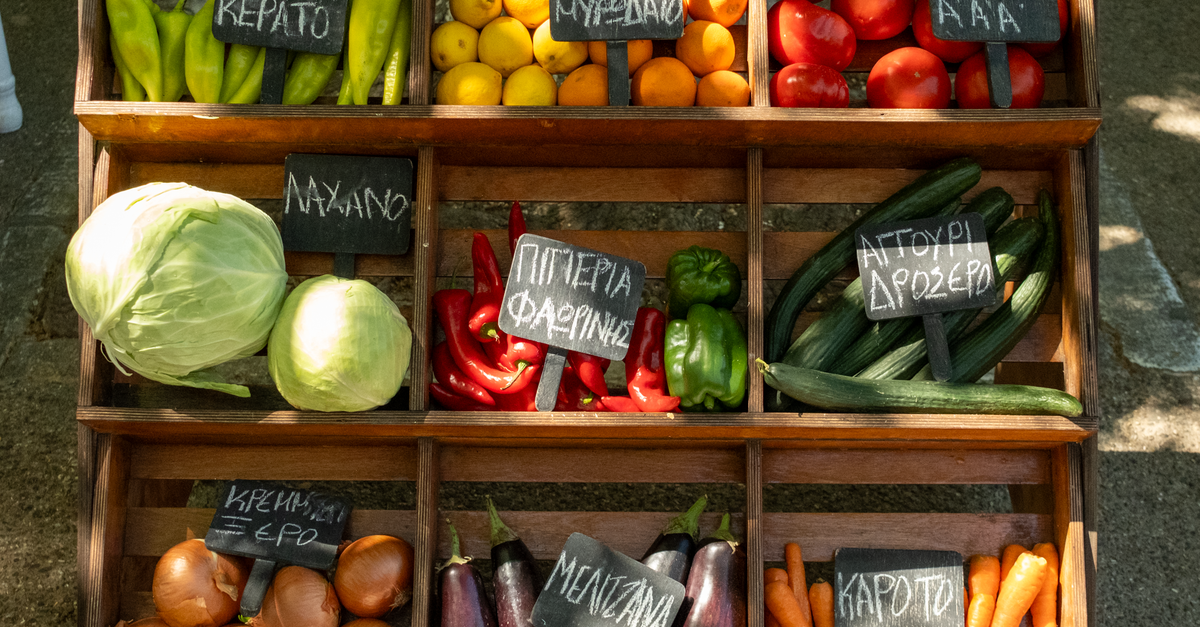
As the early morning sun casts a golden hue over the village of Archanes, located in the rolling hills of Crete, the market springs to life with the aroma of freshly baked bread and the popular colors of seasonal produce. Here, you’ll find the essence of Cretan life in a simple yet profound experience: shopping at the local market. The air is filled with the chatter of vendors and locals exchanging not just goods, but stories and laughter. Imagine picking up a bag of juicy olives for EUR 3 (about $3.50) or a wedge of tangy feta cheese for EUR 5 (about $5.80), each purchase accompanied by a friendly nod or a shared recipe. For those considering spending a month—or perhaps more—in Crete, this market offers a glimpse into the island’s heart, where community and cuisine intertwine.
The Story Behind the Dish
Cretan markets are more than just places to buy food; they are the lifeblood of the community. Historically, these markets have been the center of village life, where farmers and artisans gather to sell their wares. The tradition dates back centuries, rooted in the island’s agricultural heritage. Crete’s fertile land and mild climate allow for a diverse range of produce, from sun-ripened tomatoes to aromatic herbs. The market is where you’ll find the ingredients for many traditional Cretan dishes, such as dakos—a rusk topped with tomatoes, feta, and olive oil. This communal approach to shopping reflects the Cretan way of life, where food is not just sustenance but a means of connection and celebration.
How Locals Eat It
Locals approach the market as a social event as much as a shopping trip. They arrive early, often with woven baskets in hand, ready to select the freshest produce. It’s common to see friends and neighbors exchanging tips on the best stalls or sharing a quick coffee at a nearby café. Seasonal eating is a way of life here; what you find at the market dictates the week’s menu. For instance, in spring, artichokes and wild greens are abundant, while autumn brings an array of grapes and pomegranates. The market is also a place where locals gather ingredients for their popular meze—a selection of small dishes perfect for sharing over a glass of raki, the local spirit.

Where to Find It
Archanes is just one of many villages on Crete where you can experience this popular market culture. Other notable markets include those in Chania and Heraklion, each offering its unique blend of local produce and artisanal goods. The Chania market, housed in a striking 19th-century building, is a must-visit for its array of spices and cheeses. Meanwhile, Heraklion’s market is known for its fresh seafood and local wines. For those looking to immerse themselves in everyday Cretan life, visiting these markets is essential. Beyond the lively stalls, small shops and bakeries line the streets, offering everything from freshly baked koulouri (a sesame bread ring) to homemade honey.

Regional Variations
While the core concept of the Cretan market remains consistent across the island, regional variations do exist. In the east, near Sitia, the markets are known for their unique olive oil, considered some of the finest in Greece. The southern regions, closer to the Libyan Sea, offer an abundance of fresh fish and seafood, reflecting the area's proximity to the water. Meanwhile, the mountainous areas, such as Sfakia, are famous for their wild herbs and honey. Each market offers a snapshot of its region’s culinary identity, providing a deeper understanding of the island’s diverse flavors and traditions.
Cost, Portions, and Ordering Tips
Shopping at a Cretan market is an affordable way to experience the island’s culinary offerings. A typical market haul might include fresh vegetables, cheese, and bread for around EUR 15-20 (about $17-23), enough to prepare several meals. Portions are generous, and vendors often throw in an extra handful of herbs or a few more olives, especially if you’re a regular. When ordering, it’s helpful to know a few basic Greek phrases, such as “Kalimera” (Good morning) and “Efharisto” (Thank you), which can go a long way in building rapport with the vendors. Don’t be afraid to ask for recommendations; locals are proud of their produce and eager to share tips on how to prepare it.
What to Know Before You Try It
Before heading to the market, it’s important to remember that cash is king in these small villages. While larger towns might accept cards, it’s best to have euros on hand for your purchases. The markets are busiest in the early morning, so arriving early ensures you get the best selection. Remember that the market is a place of social interaction, so take your time to enjoy the experience. Engage with the vendors, ask questions, and soak in the atmosphere. This is not just a shopping trip, but an opportunity to connect with the local culture and community.
Common Mistakes Visitors Make
One common mistake is underestimating the importance of timing. Arriving late in the day might mean missing out on the freshest produce. Another is not bringing your own bags; while vendors may offer plastic bags, having your own reusable bags is more environmentally friendly and aligns with local practices. Visitors often overlook the smaller stalls, which can offer unique finds and more personalized service. Finally, some tourists treat the market as a quick stop rather than a leisurely experience. Taking the time to explore, taste, and converse will enrich your visit and provide a deeper appreciation for the Cretan way of life.
Frequently Asked Questions
What are the best days to visit a Cretan market?
Most village markets operate once a week, often on weekends. However, larger towns like Heraklion and Chania have daily markets. It’s best to check locally for specific days and times.
Can I find organic produce at Cretan markets?
Yes, many vendors offer organic produce, often labeled as "viologika." Don’t hesitate to ask the vendors about their farming practices to ensure you’re getting organic products.
Are there any etiquette tips for shopping at a Cretan market?
Greet vendors with a smile and a “Kalimera.” It’s polite to ask before touching produce, and always thank the vendor, even if you don’t make a purchase.
Can I bargain at the market?
While bargaining isn’t common in Cretan markets, vendors may offer discounts if you’re buying in bulk or are a regular customer. It’s best to approach with respect and a friendly demeanor.
Related Golden Horizons Guides
- Best Countries to Retire Abroad on a Budget
- Healthcare Abroad for American Retirees
- Retiring Abroad Checklist for Americans
- Visa Rules for Americans Retiring Abroad
About Golden Horizons
Golden Horizons is the retirement abroad magazine for Americans who aren't done yet.
Final Bite
Shopping at a Cretan village market is more than just a transaction; it's an immersion into the island's culture and community. For those considering a longer stay in Crete, these markets offer a glimpse into the island's affordable cost of living and the warmth of its people. Whether you're a food enthusiast or a future retiree, the experience of shopping where everyone knows your name is one you won't want to miss.