Quick Taste
In Colombia, breakfast often begins with a comforting bowl of soup, such as ajiaco or sancocho, which are hearty and nourishing. Ajiaco, popular in Bogotá, is a creamy chicken soup with potatoes and corn, offering a rich and satisfying flavor. In contrast, Cartagena's sancocho is a robust soup featuring a variety of meats and root vegetables, providing a lighter option with its seafood variations. Bogotá is ideal for those seeking traditional flavors, while Cartagena offers a lighter, seafood-infused experience.
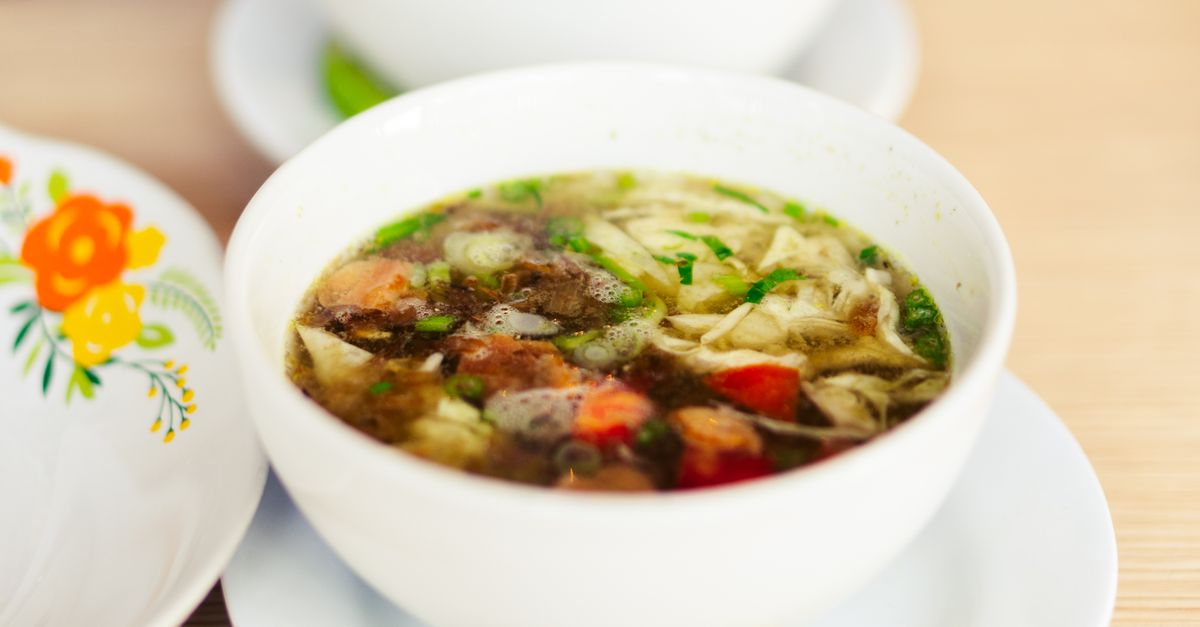
For those considering an extended stay in Colombia, understanding the local breakfast culture is essential. Colombian breakfast soups are typically served hot, accompanied by arepas or rice, providing a substantial meal to start the day. Ajiaco is known for its use of guascas, an herb that imparts a distinctive taste, while sancocho often includes plantains and yuca. These soups not only offer flavor but also reflect the warmth and hospitality of Colombian culture, making them an integral part of daily life.
The Story Behind the Dish
The tradition of eating soup for breakfast in Colombia is deeply rooted in the nation's history and geography. Colombia's diverse climate and fertile land yield an abundance of fresh ingredients, which are reflected in the variety of soups across the country. Ajiaco is believed to have originated with the indigenous Muisca people of the Andes, showcasing a blend of native and Spanish influences.
Sancocho, meanwhile, has its roots in Caribbean and African food traditions. This dish varies by region, with each area adding its own twist to the basic recipe. The use of local ingredients like plantains and yuca highlights the adaptation of African and indigenous cooking methods to the Colombian landscape. For visitors, these soups offer more than sustenance; they provide a taste of Colombia's cultural heritage.
How Locals Eat It
In Colombia, breakfast is a leisurely affair, with locals taking time to enjoy their morning meal. Ajiaco is typically served with rice, avocado, capers, and cream, allowing diners to customize their meal. In Bogotá, families often enjoy breakfast at home or in small local eateries known as "corrientazos," where the soup is freshly prepared each morning.
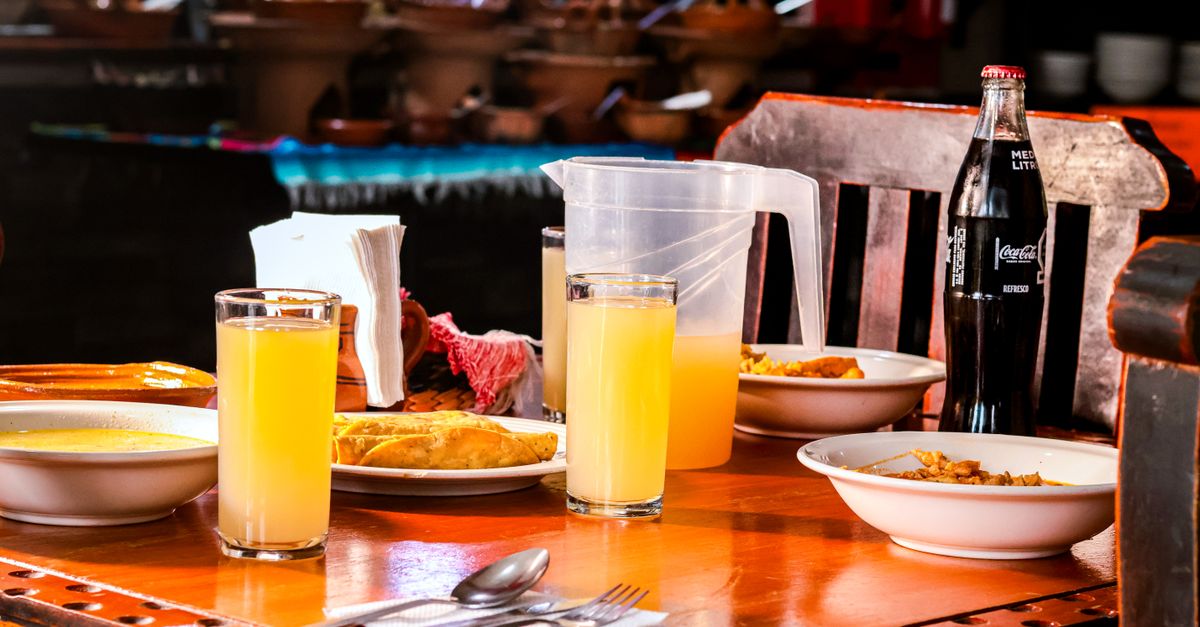
In coastal regions like Cartagena, sancocho is often enjoyed outdoors, where the warm climate complements the hearty flavors. Street vendors frequently sell sancocho in lively markets, offering a quick, satisfying breakfast. The communal aspect of eating soup for breakfast is an important part of Colombian culture, bringing people together to start the day with warmth and camaraderie.
Where to Find It
To experience Colombian breakfast soups firsthand, there are numerous options. In Bogotá, La Puerta Falsa offers traditional ajiaco in a cozy setting that has served locals for generations. This eatery is conveniently located in the city's historic district, making it a must-visit for travelers.

In Cartagena, the Mercado de Bazurto is a lively market where visitors can sample traditional sancocho from various vendors. This market is a sensory delight, with popular colors and aromas of fresh produce and spices. For a more upscale experience, restaurants like La Cevicheria offer gourmet versions of sancocho, highlighting the freshest seafood available.
Regional Variations
Colombia's diverse geography means that breakfast soups vary significantly by region. In the Andean region, ajiaco is the soup of choice, with its creamy texture and unique blend of herbs. The addition of capers and avocado adds a refreshing twist, making it a favorite among locals and visitors.
On the Caribbean coast, sancocho is a staple, with each region adding its own flair. In Cartagena, seafood sancocho is popular, featuring fresh fish and shellfish. In the interior regions, sancocho might include beef or pork, along with root vegetables like yuca and potatoes. These regional variations highlight the adaptability of Colombian cuisine, allowing each area to showcase its local ingredients.
Cost, Portions, and Ordering Tips
One appealing aspect of eating soup for breakfast in Colombia is its affordability. A bowl of ajiaco or sancocho typically costs between 10,000 to 20,000 Colombian Pesos (approximately $2.50 to $5 USD), making it an economical choice. Portions are generous, often large enough to serve as a complete meal.
When ordering soup for breakfast, knowing a few key phrases in Spanish can be helpful. Asking for "un ajiaco, por favor" or "un sancocho, por favor" will usually suffice. Many eateries offer additional sides like rice or arepas, so don't hesitate to ask for "con arroz" or "con arepa." Keep in mind that prices may vary depending on the location, with tourist areas generally charging more than local neighborhoods.
What to Know Before You Try It
Before trying Colombian breakfast soup, there are a few things to keep in mind. The soups are typically served hot and can be quite filling, so it's wise to start with a smaller portion if you're not used to a large breakfast. Some soups may contain ingredients unfamiliar to American palates, such as guascas in ajiaco or yuca in sancocho. Embrace these new flavors as part of the experience.
Colombian soups are generally safe to eat, but it's always a good idea to choose reputable establishments, especially when trying street food. Look for places busy with locals, as this is often a sign of good quality and freshness. If you have dietary restrictions, such as gluten or dairy intolerance, communicate these to your server, as some soups may contain ingredients like cream or flour-based thickeners.
Common Mistakes Visitors Make
A common mistake visitors make is underestimating the portion sizes of Colombian breakfast soups. These soups are designed to be hearty and filling, so it's easy to order more than you can comfortably eat. Start with a smaller portion and order additional sides if needed.
Another mistake is not embracing the local accompaniments that come with the soup. Items like avocado, capers, and cream can significantly enhance the flavor of ajiaco, while plantains and rice complement the robust taste of sancocho. Don't be afraid to mix and match these sides to find your preferred combination.
Frequently Asked Questions
Why do Colombians eat soup for breakfast?
Colombians eat soup for breakfast because it provides a nourishing and hearty start to the day. The tradition is rooted in the country's history and agricultural abundance, offering a warm meal that brings families together.
Is it common to find breakfast soups in Colombian restaurants?
Yes, breakfast soups like ajiaco and sancocho are commonly found in Colombian restaurants, especially in local eateries and markets. They are a staple of the Colombian breakfast menu.
Are there vegetarian versions of Colombian breakfast soups?
Vegetarian versions of Colombian breakfast soups can be found, though they may not be as common. It's best to ask the restaurant if they can prepare a soup without meat or seafood, and confirm which ingredients are used.
How do I order breakfast soup in Colombia if I don't speak Spanish?
If you don't speak Spanish, you can still order breakfast soup by using simple phrases like "un ajiaco, por favor" or "un sancocho, por favor." Pointing to the menu item or using translation apps can also be helpful.
Related Golden Horizons Guides
- Best Countries to Retire Abroad on a Budget
- Healthcare Abroad for American Retirees
- Retiring Abroad Checklist for Americans
- Visa Rules for Americans Retiring Abroad
About Golden Horizons
Golden Horizons is the retirement abroad magazine for Americans who aren’t done yet.
Final Bite
Embracing the tradition of soup for breakfast in Colombia offers more than just a satisfying meal; it provides a window into the country's cultural heritage and a chance to connect with locals over a shared meal. For those considering retirement or extended stays in Colombia, starting the day with a bowl of ajiaco or sancocho is a delicious way to immerse yourself in the local lifestyle. Whether you're in the lively streets of Bogotá or the coastal markets of Cartagena, breakfast soups are a flavorful introduction to the warmth and hospitality that define Colombian life.