Quick Taste
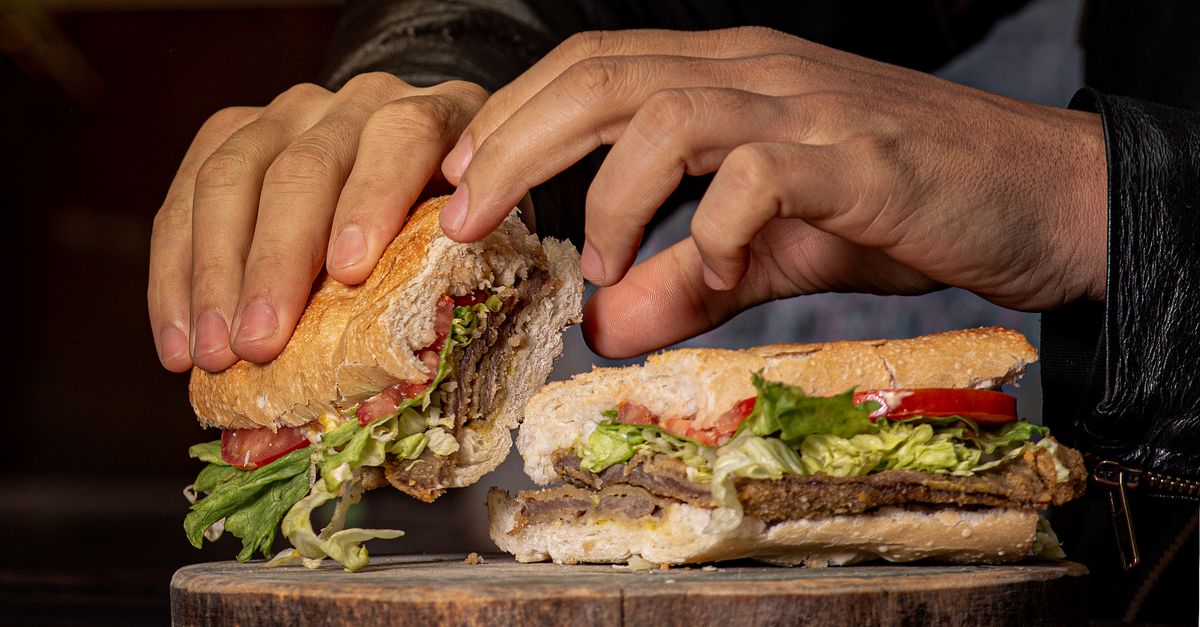
Picture yourself at a lively Montevideo café, the air filled with the sizzling sounds of steak meeting a hot griddle. The chivito, Uruguay's towering steak sandwich, arrives at your table, brimming with layers of tender beef, ham, melted mozzarella, tomatoes, lettuce, and a fried egg. Each bite is a flavor explosion, the savory steak balanced by creamy mayonnaise and the crispness of fresh vegetables. A chivito typically costs between UYU 350-500 (about $9-13), making it an accessible enjoynce for anyone imagining life in Uruguay.
The Story Behind the Dish
The chivito has humble beginnings, originating in the 1940s at a restaurant in Punta del Este. Legend has it that a customer requested a goat sandwich, but the chef, lacking goat meat, improvised with beef. The result was the chivito, which means "little goat" in Spanish. Over the years, this sandwich has evolved into a national icon, embodying Uruguay's love for beef and hearty meals. Its creation reflects the country's culinary adaptability and the ability to transform simple ingredients into something extraordinary.
How Locals Eat It
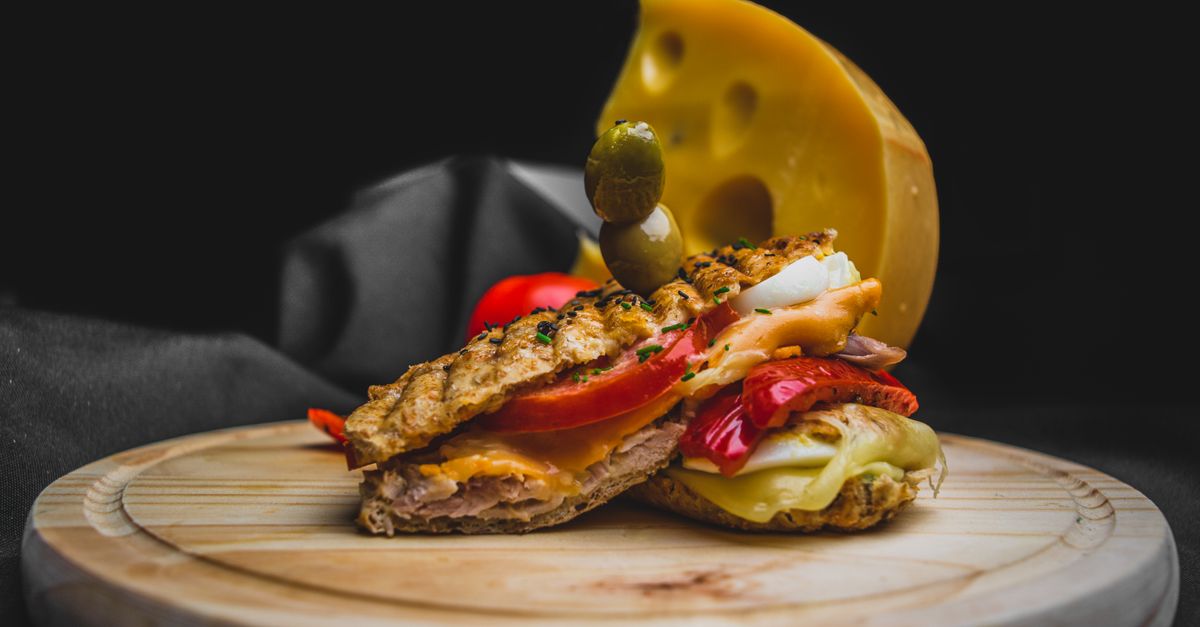
For Uruguayans, the chivito is more than just a meal; it's a social experience. Locals often enjoy it with friends at a parrillada (grill house) or a casual café. It's typically served with a side of crispy French fries or Russian salad, a mix of potatoes, peas, and carrots bound in mayonnaise. While the classic version is popular, many Uruguayans customize their chivito with additional toppings like bacon, olives, or roasted peppers. Eating a chivito is a leisurely affair, often accompanied by a cold beer or a glass of tannat, Uruguay's signature red wine.

Where to Find It
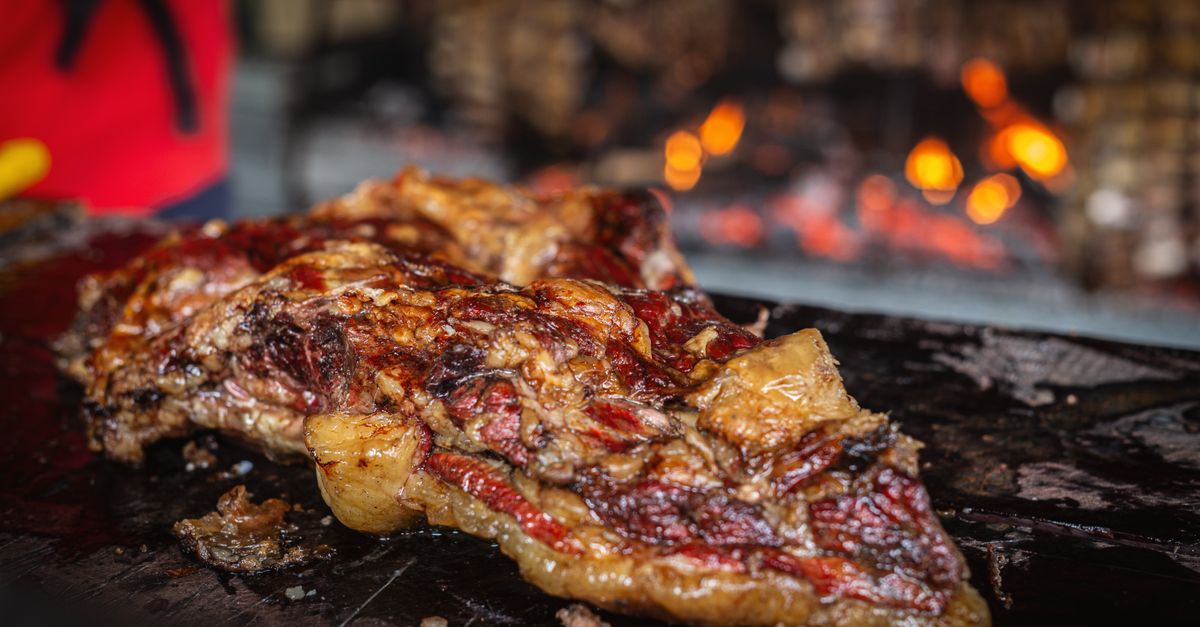
In Montevideo, you'll find chivitos on menus everywhere from upscale restaurants to neighborhood diners. For an traditional experience, head to Mercado del Puerto, a lively market where locals gather for lunch. Here, amid the aroma of grilling meats, you can sample a chivito at one of the many food stalls. Alternatively, try a local favorite like Bar Arocena in the Carrasco neighborhood, known for its generous portions and lively atmosphere. If you're considering a longer stay, supermarkets and butcher shops sell all the ingredients needed to make a chivito at home.
Regional Variations
While the classic chivito is a staple across Uruguay, regional variations do exist. In coastal towns, you might find a chivito al plato, where the sandwich components are served on a plate without the bread, allowing the flavors to shine individually. In the interior regions, some cooks add a touch of chimichurri sauce for an extra kick. The sandwich's adaptability means that every cook has their own twist, whether it's the type of cheese used or the addition of a spicy sauce. This variety ensures that no two chivitos are exactly alike.
Cost, Portions, and Ordering Tips
A chivito is a meal in itself, often large enough to share, though locals typically enjoy one per person. Prices range from UYU 350-500 (about $9-13), depending on location and toppings. In tourist-heavy areas, expect to pay a bit more, while neighborhood spots offer better deals. When ordering, don't hesitate to ask for extra napkins; the juicy layers can get messy. If you're dining with a group, consider ordering a chivito al plato to share, allowing everyone to sample the different flavors without committing to a whole sandwich.
What to Know Before You Try It
Before diving into a chivito, know that this sandwich is a commitment. It's a hearty, filling meal that might leave you needing a post-lunch siesta. The quality of the steak is crucial; Uruguayans take pride in their beef, so expect it to be tender and flavorful. If you're making one at home, visit a local butcher for the best cuts. Also, be prepared for variations in the sandwich's construction; each place has its own signature style, and part of the fun is finding your personal favorite.
Common Mistakes Visitors Make
One common mistake is underestimating the size of a chivito. It's easy to be overwhelmed by its towering layers, so consider sharing if you're not too hungry. Another error is choosing a restaurant based solely on location; tourist hotspots might offer convenience but often at a premium price. Instead, venture into neighborhoods where locals eat. Lastly, don't rush the experience. Eating a chivito is as much about enjoying the moment as it is about the food itself, so take your time and enjoy.
Frequently Asked Questions
What is the best drink to pair with a chivito?
A cold beer or a glass of tannat wine pairs well with a chivito, complementing the flavors of the sandwich. The tannat's robust profile enhances the savory elements of the beef and ham, while a refreshing beer provides a crisp contrast to the richness of the cheese and mayonnaise.
Can I find vegetarian versions of the chivito?
Yes, some places offer a vegetarian chivito, substituting the steak with grilled vegetables or a veggie patty. These versions often include the same toppings as the traditional chivito, like cheese, lettuce, and tomato, ensuring that vegetarians can enjoy a similar layered experience.
How does a chivito differ from other steak sandwiches?
The chivito stands out due to its layers of ingredients, including steak, ham, cheese, and a fried egg, offering a combination of flavors. Unlike simpler steak sandwiches, the chivito's variety of toppings creates a complex taste profile, making each bite a new experience.
Is it possible to make a chivito at home?
Absolutely! With fresh ingredients from local markets, you can recreate this sandwich in your own kitchen. Start with quality beef, then layer on ham, cheese, and your choice of vegetables and condiments. Experiment with different toppings to find your perfect combination.
Related Golden Horizons Guides
- Best Countries to Retire Abroad on a Budget
- Healthcare Abroad for American Retirees
- Retiring Abroad Checklist for Americans
- Visa Rules for Americans Retiring Abroad
About Golden Horizons
Golden Horizons is the retirement abroad magazine for Americans who aren't done yet.
Final Bite
The chivito offers more than a taste of Uruguay; it provides a glimpse into the country's culture of hearty meals and social dining. For those considering a longer stay in Uruguay, sampling this sandwich is a delicious way to experience everyday life. Visit first, try a chivito, and imagine the possibilities of calling this lively place home.