Quick Taste
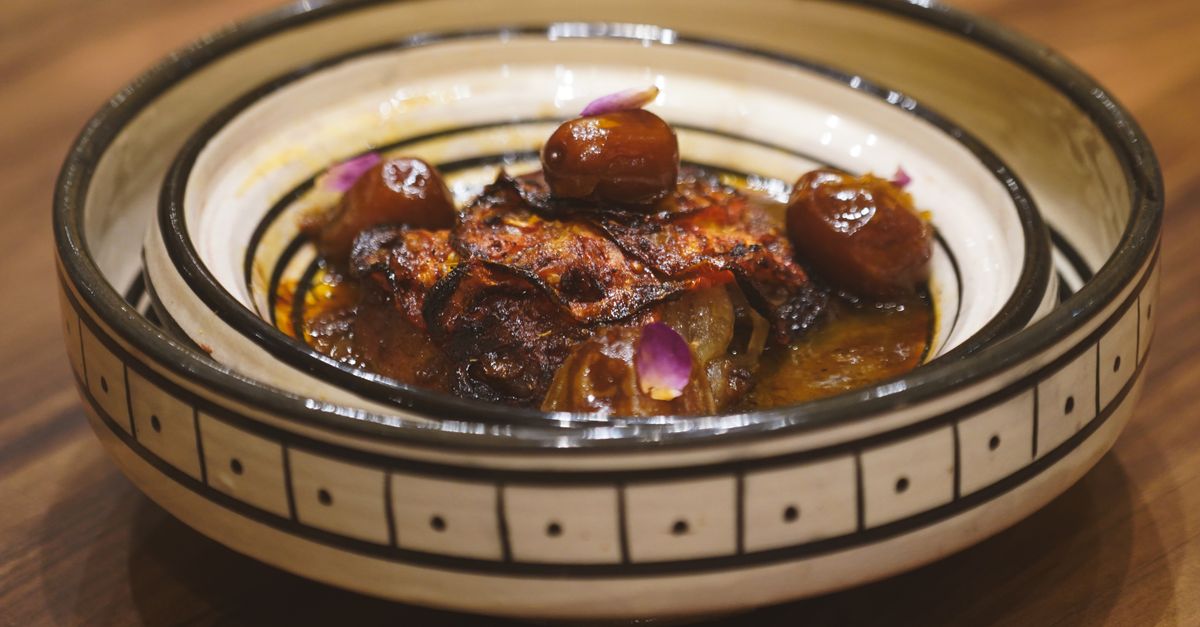
In the heart of Chefchaouen, where the narrow lanes are a symphony of blue hues, you'll find the tantalizing aroma of goat tagine wafting through the air. Picture yourself seated at a modest café, the tagine's clay pot steaming as you lift the lid to reveal tender pieces of goat, slow-cooked with spices, apricots, and almonds. This hearty dish, with its blend of sweet and savory flavors, can be enjoyed for just MAD 40 (about $4), making it an enticing option for those imagining a life in Morocco's enchanting Blue City.

The Story Behind the Dish
Goat tagine is a staple in Moroccan cuisine, and its roots in Chefchaouen run deep. The dish reflects the region's Berber heritage, where slow cooking in clay pots has been a tradition for centuries. The use of goat, a readily available meat in the Rif Mountains, adds a distinct flavor that sets it apart from other tagines. The combination of spices like cumin, coriander, and cinnamon with dried fruits and nuts creates a complex flavor profile that is both comforting and exotic. This dish is more than just a meal; it's a representation of the area's cultural history, a blend of influences that have shaped Chefchaouen over time.
How Locals Eat It
Locals in Chefchaouen typically enjoy goat tagine as a communal meal, often shared with family and friends. It's common to see groups gathered around a single pot, using pieces of khobz, a traditional Moroccan bread, to scoop up the tender meat and rich sauce. Lunch is the preferred time for this hearty dish, providing sustenance for the rest of the day. While tourists might opt for a fork and knife, you'll notice locals embracing the tactile experience of eating with their hands, a practice that enhances the connection to the food and the people sharing it.

Where to Find It
To experience goat tagine like a local, head to the lively markets and small eateries tucked away in Chefchaouen's winding streets. The medina is home to several family-run establishments where the tagine is prepared with recipes passed down through generations. For those considering a longer stay, the local markets offer fresh ingredients to try your hand at making tagine at home. Fresh goat meat, spices, and seasonal produce can be found at reasonable prices, allowing you to immerse yourself in the food culture of the Blue City.

Regional Variations
While goat tagine is a staple in Chefchaouen, variations exist across Morocco. In the coastal regions, seafood tagines are more prevalent, featuring fish or shrimp combined with olives and preserved lemons. In the south, lamb tagines with prunes and almonds are popular, offering a sweeter alternative to the savory goat tagine. Each region's version reflects the local ingredients and tastes, providing a different twist on the traditional dish. However, the essence of slow-cooked, richly spiced meat remains a constant, uniting the diverse food landscape of Morocco.
Cost, Portions, and Ordering Tips
In Chefchaouen, a serving of goat tagine is generous enough to satisfy even the heartiest appetite. Priced at around MAD 40 (about $4), it's an affordable option for both locals and visitors. When ordering, don't hesitate to ask for extra bread, as it's essential for soaking up the flavorful sauce. If you're dining with others, consider ordering a couple of different tagines to share, allowing you to experience a range of flavors. For those planning an extended stay, purchasing ingredients at the market and preparing tagine at home can be a cost-effective and rewarding experience.
What to Know Before You Try It
Before diving into a plate of goat tagine, it's helpful to understand the customs surrounding its consumption. Eating with your hands is not only accepted but encouraged, as it enhances the communal dining experience. If you're new to goat meat, expect a slightly gamey flavor, which is balanced by the sweetness of the apricots and the warmth of the spices. The dish is typically served with bread rather than rice or couscous, so be prepared for a different texture than you might expect from other Moroccan dishes.
Common Mistakes Visitors Make
One common mistake visitors make is assuming all tagines are the same. Each tagine has its unique blend of spices and ingredients, so it's worth trying several to appreciate the variety. Another error is dining too late; locals tend to eat their main meal at lunchtime, so arriving early ensures the freshest tagine. Finally, some tourists miss out on the full experience by opting for utensils instead of embracing the local custom of eating with their hands, which adds to the traditionality of the meal.
Frequently Asked Questions
Is goat tagine spicy?
Goat tagine is not typically spicy in the sense of heat, but it is richly spiced with aromatic flavors like cumin, coriander, and cinnamon. The spices provide warmth and depth rather than heat, making it accessible to those who prefer milder dishes.
Can I find goat tagine outside of Chefchaouen?
Yes, goat tagine is available throughout Morocco, although the preparation and ingredients may vary by region. Each area adds its twist, so trying it in different locations can offer a new taste experience each time.
How do I eat goat tagine like a local?
To eat goat tagine like a local, use your hands to tear pieces of bread and scoop up the meat and sauce. This method is traditional and enhances the communal aspect of the meal, allowing you to fully engage with the flavors and textures.
What drinks pair well with goat tagine?
Mint tea is a popular accompaniment to goat tagine, providing a refreshing contrast to the rich flavors. For those who prefer something stronger, a glass of local red wine can complement the spices beautifully.
Related Golden Horizons Guides
- Best Countries to Retire Abroad on a Budget
- Healthcare Abroad for American Retirees
- Retiring Abroad Checklist for Americans
- Visa Rules for Americans Retiring Abroad
About Golden Horizons
Golden Horizons is the retirement abroad magazine for Americans who aren't done yet.
Final Bite
Chefchaouen's goat tagine offers a taste of Morocco's culinary history, perfect for those considering a deeper connection with this popular country. Before making any decisions about retirement abroad, spend a week enjoying the flavors and rhythms of everyday life in the Blue City. It's these ordinary experiences that can truly reveal whether a new place feels like home.