Quick Taste
As you stroll through the lively streets of Penang, the aroma of smoky, wok-fried noodles beckons you to a humble street cart where Char Kway Teow is being expertly tossed over a roaring flame. This Malaysian favorite, with its glossy, soy-slicked flat rice noodles, is a symphony of textures and flavors—crisp bean sprouts, tender prawns, and the subtle heat of chili paste. A plateful costs around 6-8 MYR (about $1.50-2 USD), making it an affordable enjoynce. For those contemplating a longer stay in Penang, Char Kway Teow is a delicious glimpse into the everyday culinary life.

The Story Behind the Dish
Char Kway Teow has its roots in the Teochew and Hokkien communities of Southeast Asia, where it was originally a laborer's meal, offering a hearty and inexpensive source of energy. The name itself translates to "stir-fried rice cake strips," and it has evolved over generations to become a staple in Malaysian street food culture. The dish's signature smoky flavor, known as "wok hei," is achieved through high-heat cooking in a seasoned wok, a technique that takes years to master. This dish is as much about the skill of the cook as it is about the ingredients.
How Locals Eat It
Locals in Penang often enjoy Char Kway Teow at hawker centers, where the atmosphere is lively and the food is cooked fresh to order. It's typically eaten for lunch or dinner, though some stalls serve it as a late-night snack. The dish is usually garnished with a sprinkle of chopped chives and served with a wedge of lime for an extra zing. For a truly local experience, pair it with a glass of iced barley drink or a cold beer. Many locals have their favorite stalls, often debating which vendor achieves the best "wok hei" or the perfect balance of ingredients.
Where to Find It
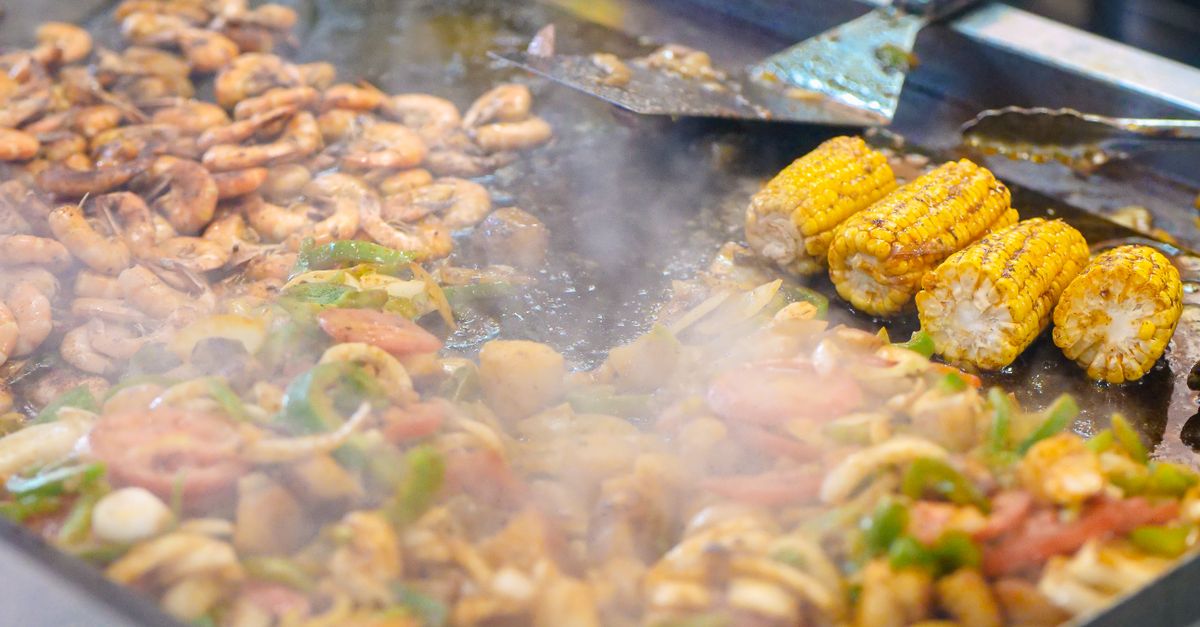
In Penang, Char Kway Teow is ubiquitous, found at street stalls, hawker centers, and even some upscale restaurants. For a more traditional experience, head to Gurney Drive or New Lane, where you'll find vendors who have been perfecting their craft for decades. These spots are frequented by locals and tourists alike, offering a genuine taste of Penang's street food scene. For those considering a longer stay, local markets like Chowrasta Market offer fresh ingredients to try your hand at cooking this dish at home, providing a deeper connection to the local lifestyle.

Regional Variations
While Penang's version of Char Kway Teow is renowned for its use of prawns and cockles, other regions in Malaysia have their own takes on the dish. In Ipoh, for instance, you might find it cooked with a slightly sweeter sauce, while in Kuala Lumpur, the noodles are often stir-fried with Chinese sausage for an added depth of flavor. Across the border in Singapore, the dish tends to be less spicy and sometimes includes fish cake. Each variation reflects the local palate and available ingredients, offering a distinct taste of the region's culinary preferences.
Cost, Portions, and Ordering Tips
A typical serving of Char Kway Teow in Penang costs between 6-8 MYR (about $1.50-2 USD), making it an affordable option for both locals and visitors. Portions are generous, often enough to satisfy a hearty appetite. When ordering, you can customize the spiciness level, and some stalls offer additional toppings like extra prawns or a fried egg for a small surcharge. For those thinking about spending more time in Penang, this affordability is a significant draw, allowing you to enjoy local flavors without breaking the bank.
What to Know Before You Try It
Before diving into a plate of Char Kway Teow, it's helpful to understand the local dining etiquette. In Penang, it's common to share tables with strangers in busy hawker centers, fostering a communal dining experience. Be prepared for a bit of a wait during peak meal times, as each dish is cooked to order. The dish is typically served with chopsticks, but forks are usually available upon request. If you're sensitive to spice, be sure to specify your preference when ordering, as the chili paste can pack quite a punch.
Common Mistakes Visitors Make
One common mistake visitors make is assuming that all Char Kway Teow is created equal. The skill of the cook and the quality of the ingredients can vary significantly from stall to stall. It's worth asking locals for recommendations to find the best spots. Another mistake is not specifying the level of spiciness, which can lead to an unexpectedly fiery experience. Finally, some visitors miss out on the full experience by opting for touristy restaurants instead of trying the dish at a lively hawker center, where the atmosphere is as much a part of the meal as the food itself.
Frequently Asked Questions
What makes Penang's Char Kway Teow unique?
Penang's Char Kway Teow is distinguished by its smoky "wok hei" flavor, achieved through high-heat cooking in a seasoned wok. The dish typically includes prawns, cockles, and Chinese sausage, creating a blend of textures and flavors that sets it apart from other regional versions.
Can I find vegetarian Char Kway Teow in Penang?
Yes, vegetarian versions of Char Kway Teow are available, though they may not be as common. Look for stalls that offer customizable options, where you can request the dish without meat or seafood, and instead include extra vegetables or tofu.
Is Char Kway Teow spicy?
Char Kway Teow can be spicy, but the level of heat varies depending on the amount of chili paste used. When ordering, you can specify your preferred spice level to suit your taste, whether you prefer it mild or with a fiery kick.
How do I know if a Char Kway Teow stall is good?
A good indicator of a quality Char Kway Teow stall is a long line of locals waiting to order. Additionally, the presence of a seasoned wok and the aroma of smoky noodles are telltale signs of a skilled cook who knows how to achieve the perfect "wok hei."
Related Golden Horizons Guides
- Best Countries to Retire Abroad on a Budget
- Healthcare Abroad for American Retirees
- Retiring Abroad Checklist for Americans
- Visa Rules for Americans Retiring Abroad
About Golden Horizons
Golden Horizons is the retirement abroad magazine for Americans who aren't done yet.
Final Bite
Char Kway Teow offers a flavorful introduction to the everyday life in Penang, capturing the essence of its street food culture. Before deciding to retire in this culinary haven, consider spending a week enjoying its smoky noodles and exploring the neighborhoods where locals dine. It's these ordinary experiences that truly reveal what life in Penang could be like.