Quick Taste
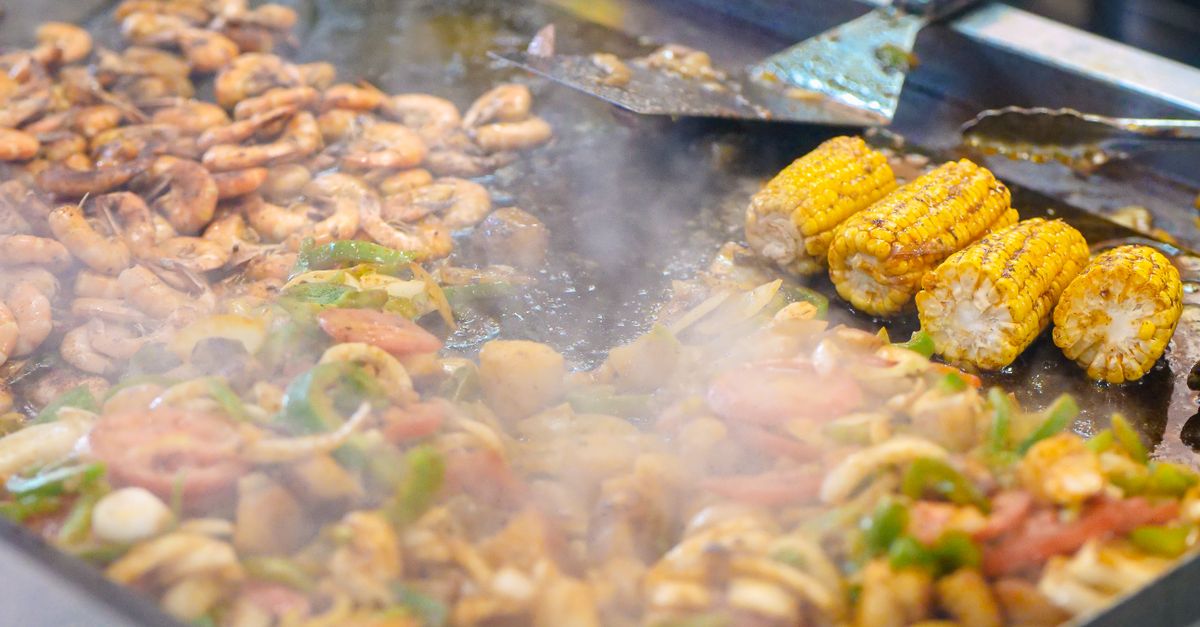
In the lively streets of Penang, the aroma of char kway teow wafts through the air, drawing you to a modest hawker stall where the dish is expertly tossed in a searing hot wok. These smoky, wok-fried noodles are a harmony of textures: chewy flat rice noodles, succulent shrimp, and crunchy bean sprouts, all kissed by the heat of the wok. A plate of this Malaysian staple will set you back just MYR 6-8 (about $1.50-2), making it an affordable enjoynce for anyone imagining life in this popular culinary hub.

The Story Behind the Dish
Char kway teow has its roots in the Teochew and Hokkien communities of Southeast Asia, with Penang being one of its most famous purveyors. Originally a working-class meal, it was favored by laborers who needed a hearty and inexpensive meal to fuel their day. The dish's name translates to "stir-fried rice cake strips," and it was traditionally sold by fishermen and farmers during their off-seasons. Over time, char kway teow has become a popular dish across Malaysia, celebrated for its smoky flavor, which is achieved by cooking it over a high flame in a well-seasoned wok.
How Locals Eat It
Locals in Penang typically enjoy char kway teow for breakfast, lunch, or dinner, often accompanying it with a cup of kopi, a strong local coffee. The dish is usually cooked to order, ensuring that each serving is fresh and piping hot. It's common to find locals gathered around hawker stalls, eagerly watching as the cook expertly flips the noodles in the air. A squeeze of lime and a dash of chili paste are often added for an extra kick. For those who prefer a bit of variety, some stalls offer versions with cockles or duck eggs, adding a richer flavor to the dish.
Where to Find It
While char kway teow can be found throughout Malaysia, Penang is renowned for serving some of the best. Head to Gurney Drive or the lively streets of George Town, where hawker stalls line the roads, each offering their unique take on the dish. For a more local experience, venture into the quieter neighborhoods where smaller, family-run stalls serve up their own secret recipes. Markets such as the Cecil Street Market are also excellent places to find char kway teow, where you can watch the dish being prepared amidst the lively market atmosphere.
Regional Variations
Though Penang is famous for its char kway teow, variations exist across Malaysia and Singapore, each with its own twist. In Kuala Lumpur, you might find a slightly wetter version, with more sauce lending a different texture and taste. Singapore's version often includes Chinese sausage, adding a sweet and savory element. Meanwhile, in Ipoh, the dish might be served with a generous helping of crunchy pork lard, enhancing its richness. Each region's adaptation reflects local tastes and available ingredients, providing a delightful exploration for those eager to taste the dish in its many forms.
Cost, Portions, and Ordering Tips
Char kway teow is a bargain, typically priced at MYR 6-8 (about $1.50-2) for a generous portion that satisfies a hearty appetite. Portions are usually ample enough to serve as a main meal, but if you're particularly hungry, consider ordering a side of satay or a bowl of soup. When ordering, be sure to specify your spice preference; the dish can be quite fiery if you're not accustomed to the local heat. Additionally, if you have dietary restrictions, many stalls are happy to customize your order, such as omitting certain ingredients or adjusting the level of seasoning.
What to Know Before You Try It
Before diving into a plate of char kway teow, it's helpful to know that the dish is traditionally cooked with pork lard, which contributes to its distinctive flavor. If you're avoiding pork, look for stalls that use vegetable oil instead. Also, be prepared for a bit of a wait during peak meal times, as the best stalls often have long lines of eager customers. The dish is best enjoyed fresh off the wok, so try to eat it on-site rather than taking it to go. Lastly, don't be shy about asking for extra lime or chili paste to tailor the dish to your taste.
Common Mistakes Visitors Make
One common mistake visitors make is assuming all char kway teow is created equal. The quality and taste can vary significantly from stall to stall, so it's worth seeking out recommendations from locals or online reviews. Another mistake is underestimating the spice level; what might seem like a mild dish can pack quite a punch. Visitors also often overlook the importance of timing; arriving too early or too late may mean missing out on the freshest servings. Finally, some tourists mistakenly think they can find the same quality in a restaurant as at a hawker stall, but the best char kway teow is almost always found at street-level vendors.
Frequently Asked Questions
What makes Penang's char kway teow special?
Penang's char kway teow is known for its smoky aroma, achieved by cooking over a high flame in a seasoned wok. The use of fresh ingredients like shrimp, bean sprouts, and chives, along with the perfect balance of soy sauce and chili, sets it apart.
Can I find vegetarian char kway teow in Penang?
Yes, many stalls offer vegetarian versions of char kway teow. These typically replace shrimp and pork lard with tofu and use vegetable oil for cooking. Always check with the vendor to ensure it meets your dietary needs.
Is char kway teow gluten-free?
Char kway teow is not typically gluten-free, as it often contains soy sauce, which may have wheat. However, some stalls might accommodate gluten-free requests by using tamari or other substitutes. It's best to ask the vendor directly.
When is the best time to eat char kway teow?
While char kway teow is available all day, locals often enjoy it for breakfast or lunch. Visiting a hawker stall during these times ensures you get a fresh serving, as the dish is most popular and frequently cooked then.
Related Golden Horizons Guides
- Best Countries to Retire Abroad on a Budget
- Healthcare Abroad for American Retirees
- Retiring Abroad Checklist for Americans
- Visa Rules for Americans Retiring Abroad
About Golden Horizons
Golden Horizons is the retirement abroad magazine for Americans who aren't done yet.
Final Bite
Char kway teow is more than just a dish; it's a sensory experience that captures the essence of Penang's street food culture. For those considering spending time in Malaysia, sampling this dish is a delicious way to connect with local life. Before making any big decisions about relocating, why not spend a week enjoying the everyday delights Penang has to offer?