Quick Taste
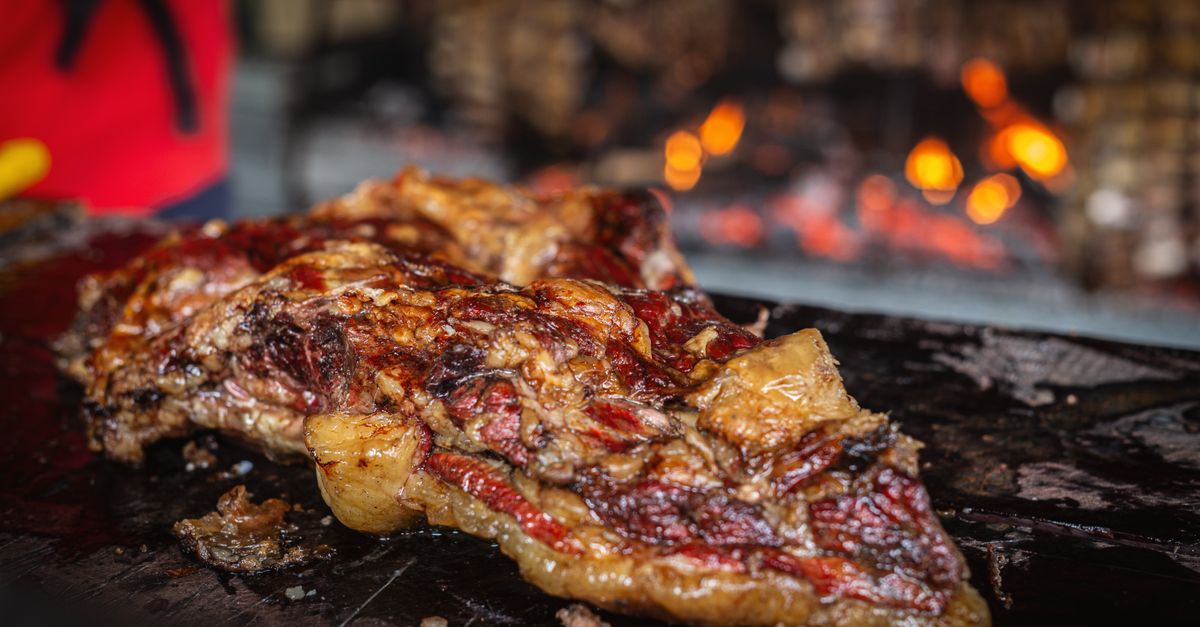
Imagine sitting in a rustic tavern in Coimbra, Portugal, as the aroma of chanfana, a hearty wine-braised goat stew, fills the air. The stew is robust, with tender chunks of goat meat simmered slowly in red wine, garlic, and bay leaves until they melt in your mouth. Served piping hot, it often comes with a side of crusty bread or boiled potatoes to soak up the savory juices. A typical portion costs between EUR 10-15 (about $11-16), offering a taste of local tradition that's both affordable and deeply satisfying for anyone considering a longer stay in this historic city.

The Story Behind the Dish
Chanfana hails from the Beira Litoral region, with Coimbra as its culinary heart. This dish is steeped in history, originally crafted by Portuguese nuns who cooked it in clay pots. The use of red wine as a braising liquid was a practical choice, as it tenderized the often tough goat meat and added a depth of flavor that water could not achieve. Over time, chanfana became a staple at family gatherings and festive occasions, symbolizing warmth and community. Its creation is a testament to the resourcefulness of past generations, making the most of available ingredients to create something truly special.
How Locals Eat It
Locals in Coimbra enjoy chanfana as a comforting meal, especially during the cooler months. It's typically eaten at lunch or dinner, often shared among friends and family. The dish is served in traditional earthenware pots, which help retain heat and enhance the flavors. Accompaniments are simple yet effective—think boiled potatoes or rice, which complement the stew without overpowering it. Locals might pair it with a glass of local red wine, enhancing the dish's inherent flavors. For those who make it at home, the preparation is a labor of love, with families passing down recipes through generations.
Where to Find It
For the best chanfana, head to the local tascas and family-run restaurants in Coimbra's older neighborhoods. Places like Santa Clara and Sé Velha offer experiences away from the tourist crowds. Here, you can enjoy the dish in a setting that feels like home, with locals chatting over meals. If you're interested in cooking it yourself, visit the Mercado D. Pedro V, where you can find fresh goat meat and other ingredients. Buying locally not only supports the community but also ensures the freshest produce. Prices in these markets are reasonable, making it a good option for those considering a longer stay.

Regional Variations
While chanfana is most associated with Coimbra, variations exist throughout Portugal. In some areas, lamb or beef is used instead of goat, catering to different palates and regional availability. The spices and herbs might also vary, with some cooks adding a touch of paprika or cinnamon for an extra layer of flavor. In the coastal regions, you might find a lighter version with less wine and more broth, reflecting the local preference for milder dishes. However, the essence of chanfana remains the same—a slow-cooked stew that warms the soul and brings people together.
Cost, Portions, and Ordering Tips
When ordering chanfana in Coimbra, expect to pay between EUR 10-15 (about $11-16) for a generous portion. This typically includes sides like potatoes or bread, making it a complete meal. Portions are hearty, reflecting the dish's origins as a communal meal. If you're dining with a group, consider ordering a few different dishes to share, allowing everyone to sample a variety of local flavors. When buying ingredients at the market, a kilo of goat meat might cost around EUR 8-12 (about $9-13), with other ingredients adding just a few more euros to the total.
What to Know Before You Try It
Chanfana is a dish for those who appreciate bold flavors and hearty meals. The use of red wine gives it a distinct taste that might be intense for some, but it's a flavor worth experiencing. If you're sensitive to strong flavors, consider pairing it with a mild side dish. The stew is traditionally cooked in clay pots, which can affect the texture and depth of flavor. For those cooking at home, using a similar pot can help replicate the traditional experience. Be prepared for a leisurely meal, as chanfana is meant to be enjoyed slowly, allowing the flavors to fully develop.
Common Mistakes Visitors Make
One common mistake is expecting chanfana to be a quick meal. Its preparation and enjoyment are meant to be unhurried, so plan accordingly. Another error is not venturing beyond the tourist areas to find more traditional versions. While city center restaurants might offer chanfana, the best experiences are often found in local neighborhoods. Visitors sometimes overlook the importance of side dishes, which are essential for balancing the stew's flavors. Lastly, some might shy away from trying goat meat, but it's worth stepping out of your comfort zone to experience this traditional dish as intended.
Frequently Asked Questions
What is the main ingredient in chanfana?
The main ingredient in chanfana is goat meat, which is slow-cooked in red wine with garlic and bay leaves. This combination creates a savory stew that's a staple in Coimbra.
Can I find chanfana outside of Coimbra?
Yes, while Coimbra is renowned for chanfana, you can find variations throughout Portugal. Some regions use different meats or spices, but the core concept remains the same.
Is chanfana suitable for vegetarians?
Chanfana is not suitable for vegetarians as it is primarily a meat-based dish. However, some restaurants may offer vegetarian alternatives inspired by the traditional recipe.
How should I order chanfana in a restaurant?
When ordering chanfana, simply ask for "chanfana" and specify any side dishes you'd like, such as potatoes or rice. It's often served as a main course, so consider sharing if you're with a group.
Related Golden Horizons Guides
- Best Countries to Retire Abroad on a Budget
- Healthcare Abroad for American Retirees
- Retiring Abroad Checklist for Americans
- Visa Rules for Americans Retiring Abroad
About Golden Horizons
Golden Horizons is the retirement abroad magazine for Americans who aren't done yet.
Final Bite
Chanfana offers a taste of Coimbra's food heritage that is both hearty and welcoming. For those considering a move or extended stay in Portugal, experiencing this dish is essential. It's these everyday moments—enjoying a local stew, chatting with neighbors, exploring markets—that truly define life abroad. Before making any decisions, immerse yourself in the culture and cuisine to see if it feels like home.