Quick Taste
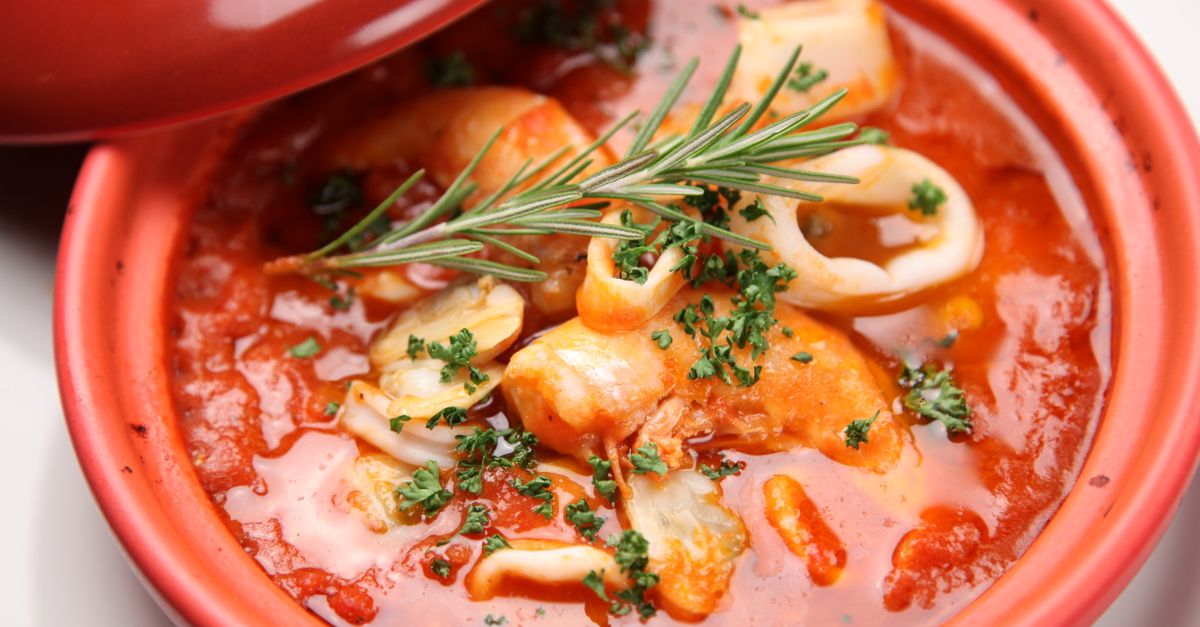
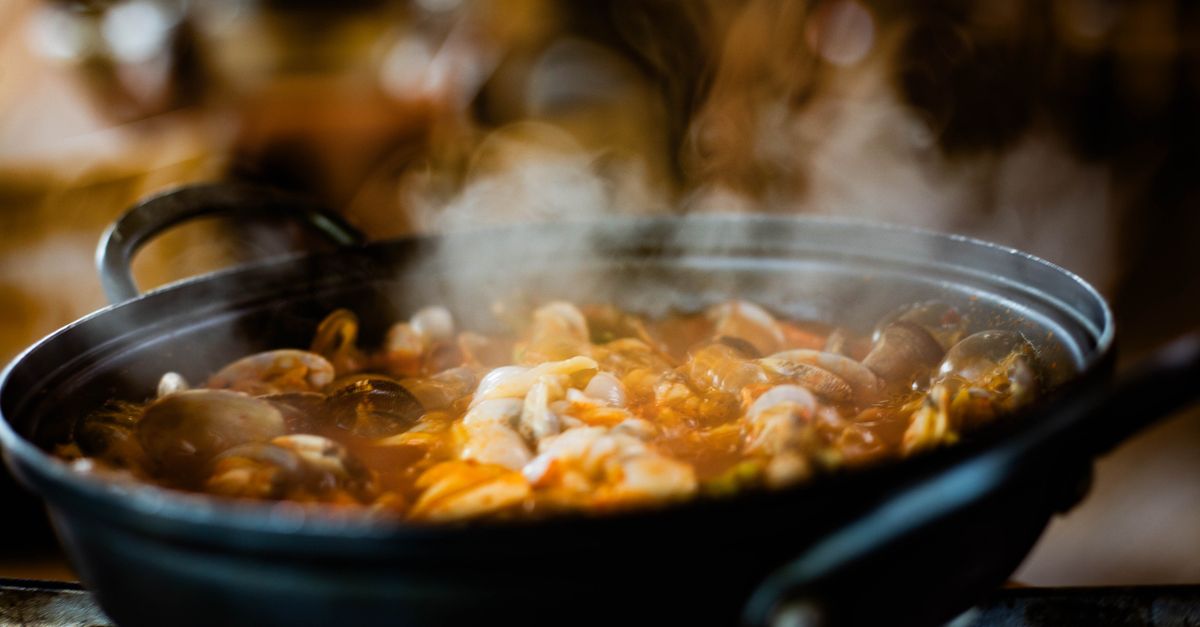
Picture yourself seated at a sun-dappled terrace in a coastal Algarve town, where the aroma of garlic and herbs wafts from a copper cataplana dish, filled with clams, shrimp, and slices of chorizo. This traditional Portuguese stew, named after the distinctive cookware it’s prepared in, offers a savory blend of fresh seafood and spices. Served piping hot, the cataplana is accompanied by crusty bread, perfect for soaking up the flavorful broth. Expect to pay between EUR 12-18 (about $14-20) per person, making it an affordable enjoynce for those imagining life in this sun-soaked region.
The Story Behind the Dish
The cataplana's origins trace back to the Moorish influence in Portugal, with its design resembling the ancient tagines of North Africa. The copper pot, with its clam-like shape, allows for even cooking and the mingling of flavors. Traditionally, the cataplana was used by fishermen to prepare meals at sea, using whatever fresh catch was available. Over time, it evolved into a cherished dish of the Algarve, reflecting the region’s abundant seafood and food heritage. Today, it stands as a symbol of the Algarve’s coastal lifestyle, where the sea is both a livelihood and a source of culinary inspiration.
How Locals Eat It
Locals in the Algarve often enjoy cataplana as a communal dish, shared among family and friends. It’s typically served for lunch or dinner, often paired with a crisp white vinho verde or a local red wine. While seafood is the star, variations might include pork or chicken, depending on the season and availability. In local homes, the cataplana is a weekend treat, prepared with care and enjoyed slowly. The key to its traditional flavor lies in the quality of the seafood and the use of local herbs like coriander and bay leaves, which lend a distinct aroma to the dish.
Where to Find It
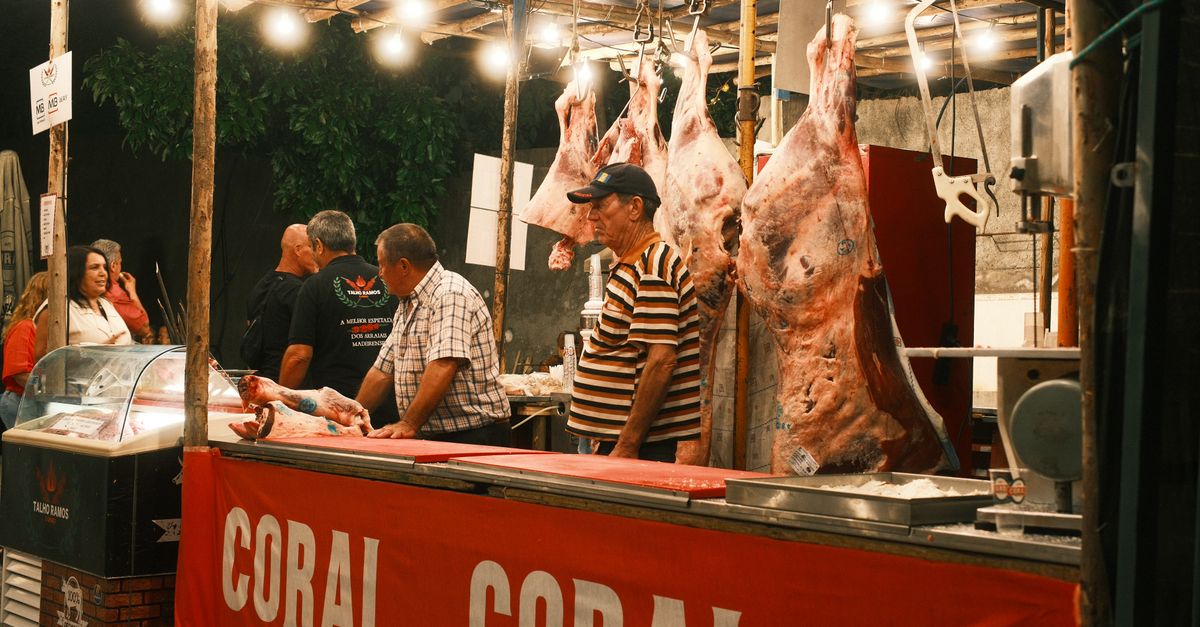
For an traditional cataplana experience, head to the small, family-run tavernas scattered throughout the Algarve. Towns like Lagos, Tavira, and Albufeira offer numerous options, from seaside eateries to tucked-away spots in the backstreets. Markets like the Mercado Municipal de Loulé are excellent places to source fresh ingredients if you’re inclined to try your hand at making cataplana at home. Here, you can find a variety of seafood, including clams and prawns, at local prices, which can be significantly lower than in tourist-heavy areas. Buying from these markets not only supports local fishermen but also ensures the freshest possible ingredients.

Regional Variations
While the classic seafood cataplana is a staple, regional variations abound. In some parts of the Algarve, you might find a cataplana de marisco, which focuses solely on shellfish. Inland, pork and clams are combined for a surf-and-turf version known as cataplana de carne. Each variation reflects the local produce and culinary preferences, with some cooks adding vegetables like bell peppers or tomatoes for added depth. The choice of spices can also vary, with some cooks favoring a touch of piri-piri for heat, while others keep it mild to let the seafood shine.
Cost, Portions, and Ordering Tips
When dining out, a cataplana is typically priced between EUR 12-18 (about $14-20) per person, depending on the restaurant and the ingredients used. Portions are generous, often intended for two or more people to share. If you’re dining solo, don’t hesitate to ask if a half-portion is available. When ordering, specify your seafood preferences or inquire about the day’s fresh catch, as this can influence the dish’s flavor. For those considering a longer stay or retirement in the Algarve, learning to prepare cataplana at home can be both economical and rewarding, with local seafood markets offering fresh ingredients at reasonable prices.
What to Know Before You Try It
Before diving into a cataplana, be prepared for a sensory experience. The dish is served in the copper pot, which retains heat, so take care when lifting the lid. The aroma will be your first hint of the flavors to come, with garlic, herbs, and seafood mingling together. It's customary to use the provided bread to dip into the broth before tackling the seafood. For those with dietary restrictions, note that the dish may contain chorizo or other meats, so it’s wise to confirm ingredients with your server. Embrace the leisurely pace of dining in the Algarve, where meals are meant to be enjoyed slowly and in good company.
Common Mistakes Visitors Make
One common mistake is underestimating the portion size of a cataplana, which is designed to be shared. Ordering individual servings can lead to waste and unnecessary expense. Another pitfall is choosing a restaurant based solely on location; while seaside views are tempting, they often come with a premium price. Instead, seek out local recommendations for tavernas known for their cataplana. Lastly, some visitors may shy away from the more adventurous ingredients, like clams or squid, missing out on the dish’s traditional taste. Embrace the full spectrum of flavors for a true Algarve experience.
Frequently Asked Questions
What is a cataplana made of?
A cataplana is a traditional Portuguese dish made primarily of seafood, such as clams, shrimp, and fish, combined with ingredients like chorizo, garlic, onions, and herbs. The dish is cooked in a copper pot, also called a cataplana, which helps to meld the flavors together.
Can I find vegetarian cataplana options?
While cataplana is traditionally a seafood dish, some restaurants may offer vegetarian versions, substituting seafood with vegetables like bell peppers, tomatoes, and mushrooms. It’s always best to check with the restaurant in advance.
How is a cataplana different from a regular stew?
The main difference lies in the cooking method and the pot used. A cataplana is cooked in a sealed copper pot, which allows for steaming and even heat distribution, enhancing the flavors and keeping the dish moist, unlike a regular stew which is often simmered in an open pot.
Is cataplana spicy?
Cataplana is generally not very spicy, though it can have a mild kick from ingredients like chorizo or piri-piri peppers. If you prefer a spicier dish, you can request additional spice when ordering, or add a dash of hot sauce to taste.
Related Golden Horizons Guides
- Best Countries to Retire Abroad on a Budget
- Healthcare Abroad for American Retirees
- Retiring Abroad Checklist for Americans
- Visa Rules for Americans Retiring Abroad
About Golden Horizons
Golden Horizons is the retirement abroad magazine for Americans who aren't done yet.
Final Bite
The cataplana is more than just a dish; it’s a taste of the Algarve’s maritime culture and a window into the region’s laid-back lifestyle. Whether you’re enjoying it at a local taverna or trying your hand at making it from market-fresh ingredients, this seafood stew is an experience worth having. For those considering a longer stay or retirement in Portugal, sampling the everyday flavors of the Algarve is an essential step in imagining life in this coastal region.