Quick Taste
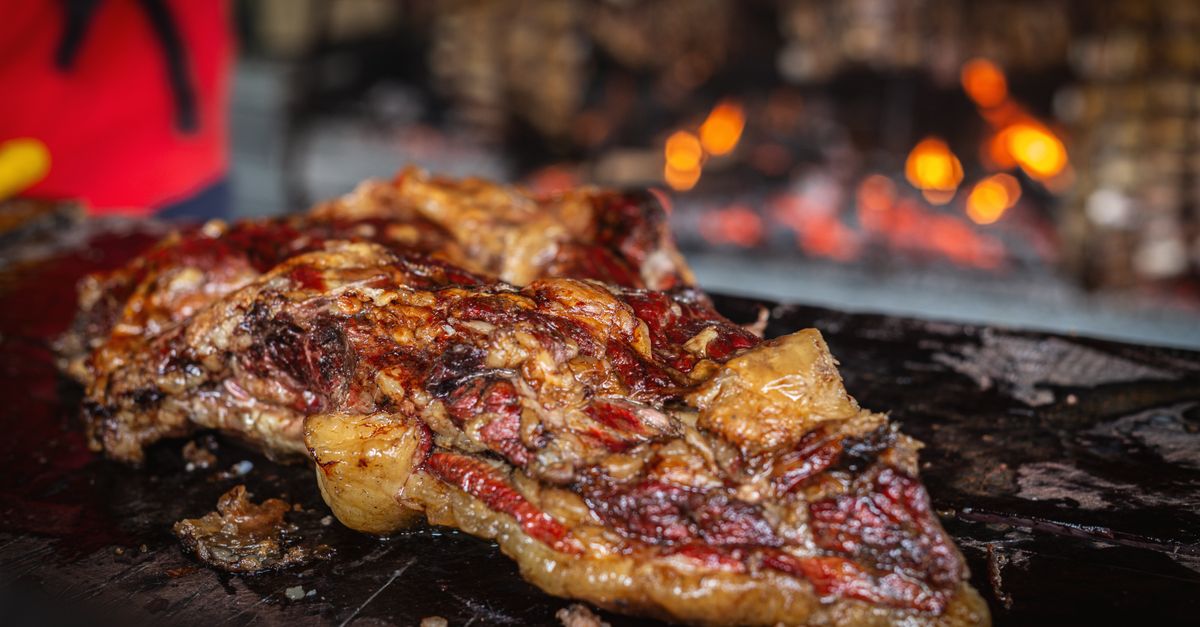
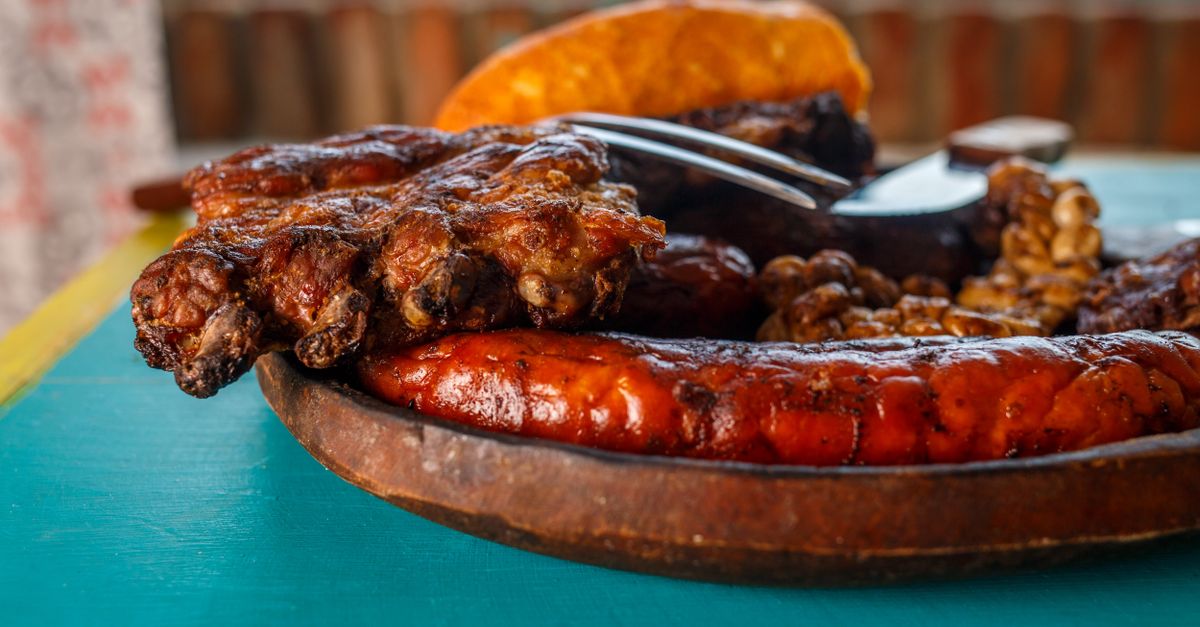
As you settle into a lively Medellín eatery, a server places a heaping plate in front of you—a bandeja paisa, a Colombian classic known for its generous portions and diverse flavors. This hearty platter is a feast for the senses, featuring a medley of grilled steak, chorizo, crispy pork belly, fried egg, avocado, rice, beans, plantain, and a corn arepa. The dish's textures range from the crunch of the pork belly to the creamy smoothness of the avocado. All of this comes at an astonishingly low price of COP 14,000 (about $3.50), making it a staple for both locals and those dreaming of an extended stay in Colombia.
The Story Behind the Dish
Bandeja paisa has its roots in the Paisa region of Colombia, which encompasses cities like Medellín and Manizales. Originally a peasant's meal, it was designed to provide sustenance for long days of labor. The dish reflects the agricultural bounty of the region, with each component representing a staple of the local diet. Over time, bandeja paisa has evolved from a humble farmer's meal to a national dish that symbolizes Colombian hospitality and abundance. Despite its transformation, it remains deeply connected to its rural origins, a testament to the enduring spirit of the Paisa people.
How Locals Eat It
Locals typically enjoy bandeja paisa for lunch, as its substantial portions can be quite filling. It's a communal experience, often shared with family or friends. Many Colombians will tell you that the best way to enjoy this dish is with a refreshing glass of aguapanela, a traditional Colombian beverage made from panela (unrefined cane sugar) and lime. The combination of flavors is a local favorite, and the beverage helps balance the richness of the platter. In Medellín, you'll find locals enjoying bandeja paisa at neighborhood restaurants called "fondas," where the ambiance is casual and inviting.

Where to Find It
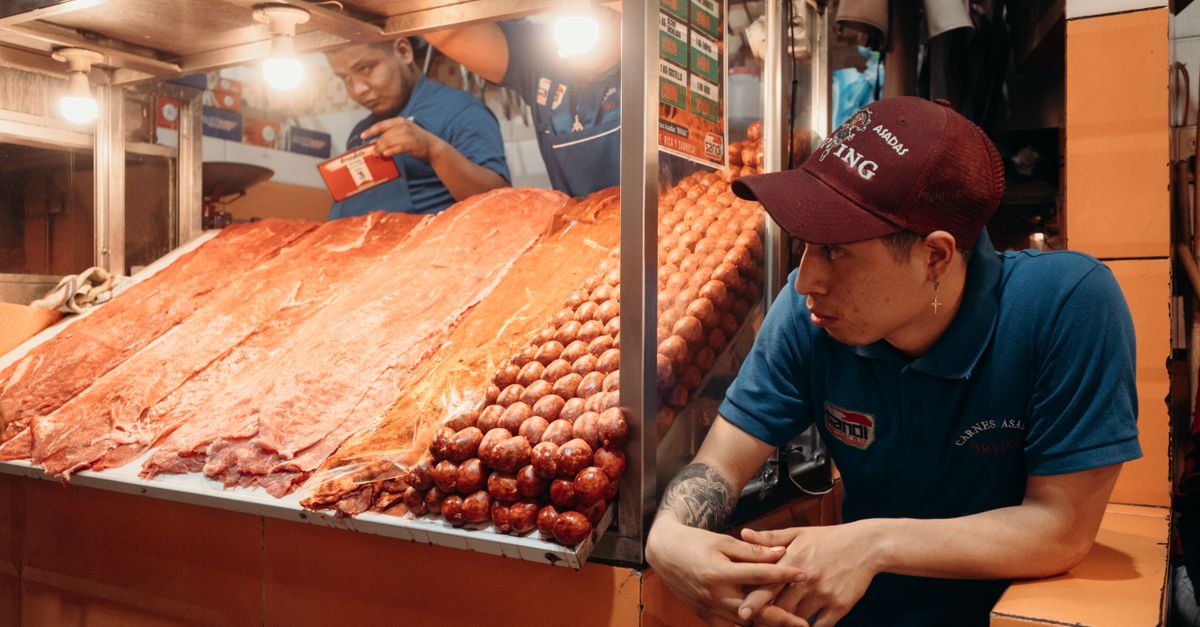
For an traditional bandeja paisa experience, head to the lesser-known neighborhoods of Medellín, away from the tourist-heavy areas. Places like Laureles and Envigado offer fondas where locals dine, ensuring a more genuine taste of Colombian life. If you're planning to cook at home, you can gather ingredients at local markets such as Plaza Minorista or Plaza de la América. Here, you'll find fresh produce and meats at reasonable prices, allowing you to recreate the dish in your own kitchen. Markets not only offer a cost-effective option but also provide a glimpse into everyday Colombian life.
Regional Variations
While the core components of bandeja paisa remain consistent, you might encounter slight variations depending on where you are in Colombia. In the Antioquia region, for instance, some versions include morcilla (blood sausage) or hogao, a tomato-onion sauce that adds a savory depth. In Bogotá, you might find a lighter version with fewer meats and more emphasis on beans and rice. These regional tweaks reflect local tastes and ingredient availability, offering a different take on a familiar dish. No matter where you try it, bandeja paisa remains a hearty and satisfying meal that showcases the diversity of Colombian cuisine.
Cost, Portions, and Ordering Tips
Bandeja paisa is known for its generous portions, often enough to satisfy even the heartiest of appetites. In local eateries, you can expect to pay around COP 14,000 (about $3.50) for a full plate. This makes it an affordable option for those considering a longer stay in Colombia. When ordering, don't hesitate to ask for a smaller portion if you're not up for the full challenge. Many restaurants offer "media bandeja" or half portions, perfect for those with lighter appetites. Pairing the dish with a local beer or a glass of aguapanela enhances the experience without breaking the bank.
What to Know Before You Try It
Before diving into a bandeja paisa, it's helpful to know that this dish is traditionally served in a single, large platter. It's a visual and culinary feast, with each component playing a crucial role in the overall flavor profile. The dish is meant to be enjoyed slowly, allowing you to appreciate each element. While it may be tempting to dive in with your hands, it's customary to use utensils, especially in more formal settings. If you're planning to eat at a local fonda, be prepared for a lively atmosphere, as these eateries are often filled with the sounds of conversation and laughter.
Common Mistakes Visitors Make
One common mistake visitors make is underestimating the size of bandeja paisa. It's easy to be overwhelmed by the sheer volume of food, so consider sharing with a friend or opting for a half portion. Another pitfall is sticking to tourist areas for dining. While these spots might offer convenience, they often lack the traditionality and affordability of neighborhood fondas. Lastly, don't skip the accompaniments. Aguapanela or a local beer complements the meal perfectly, enhancing the overall experience. Embrace the local dining customs for a more enriching experience.
Frequently Asked Questions
What is the best time to eat bandeja paisa?
Bandeja paisa is typically enjoyed during lunch, as its hearty portions are perfect for a midday meal. Eating it for lunch allows you to experience the dish as locals do, providing energy for the rest of the day.
Can I find vegetarian versions of bandeja paisa?
While traditional bandeja paisa is meat-heavy, some restaurants offer vegetarian versions. These might include additional plantains, beans, and avocado, substituting meats with grilled vegetables or tofu.
Is bandeja paisa spicy?
Bandeja paisa is not traditionally spicy. However, you can add a kick by requesting a side of aji, a Colombian hot sauce, if you enjoy spicier flavors.
How do I pronounce bandeja paisa?
"Bandeja paisa" is pronounced as "bahn-DEH-ha PIE-sah." Practicing the pronunciation can be helpful when ordering in local eateries.
Related Golden Horizons Guides
- Best Countries to Retire Abroad on a Budget
- Healthcare Abroad for American Retirees
- Retiring Abroad Checklist for Americans
- Visa Rules for Americans Retiring Abroad
About Golden Horizons
Golden Horizons is the retirement abroad magazine for Americans who aren't done yet.
Final Bite
Bandeja paisa offers more than just a meal; it's an invitation to experience the warmth and generosity of Colombian culture. For those considering spending time in Colombia, trying this dish is an opportunity to connect with local traditions and flavors. Whether you're visiting for a week or contemplating a longer stay, bandeja paisa is a taste of everyday life worth enjoying.