Quick Taste
Noodles, herbs, and street soups in Hanoi are the heart of Vietnamese cuisine, offering a symphony of flavors and textures that captivate the senses. Hanoi is better for those seeking traditional recipes and a lively street food experience, while the countryside offers a more relaxed atmosphere with farm-fresh ingredients. The noodles are typically rice-based, with a silky texture that perfectly absorbs the fragrant broths, often infused with lemongrass, star anise, and ginger.
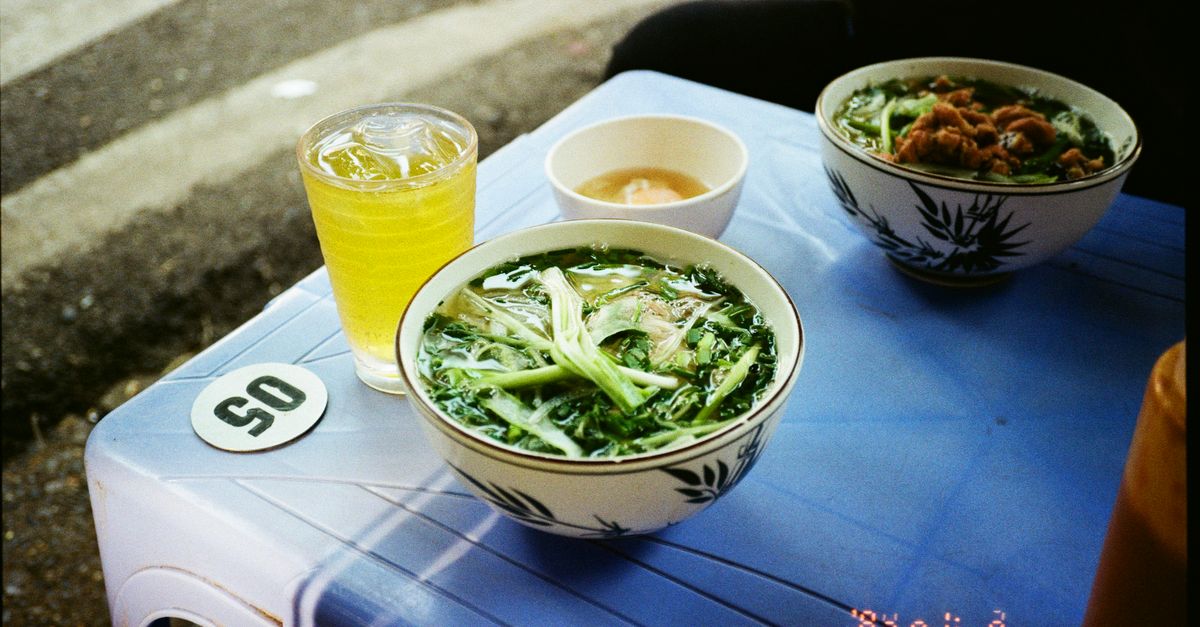
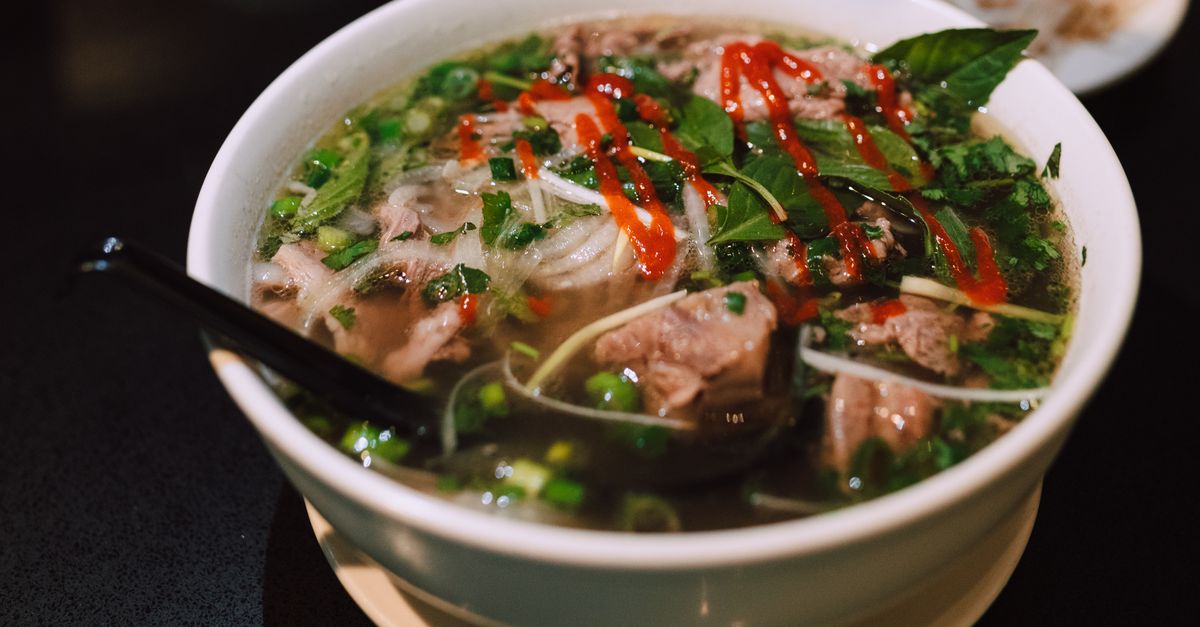
In Hanoi, these dishes are more than just meals; they are a way of life. Visitors will encounter steaming bowls of pho, a noodle soup garnished with fresh herbs, lime, and chili, offering a balance of savory and tangy notes. Bun cha, another favorite, combines grilled pork with vermicelli noodles and a tangy dipping sauce. The variations are endless, with each vendor adding their unique twist to these dishes. First-time visitors should be prepared for communal dining, often sharing tables with locals, and should not shy away from trying the accompanying fresh herbs and condiments that enhance the experience.
The Story Behind the Dish
The history of Hanoi's noodle dishes is deeply intertwined with Vietnam's cultural evolution. Pho, perhaps the most well-known, emerged in the early 20th century in Northern Vietnam, influenced by French colonialists who introduced beef into the Vietnamese diet. The word "pho" is believed to be derived from the French "pot-au-feu," a testament to this culinary fusion. Over the decades, pho has evolved, with Hanoi's version being lighter and less sweet than its southern counterpart.
Bun cha, on the other hand, has roots that trace back to Hanoi's Old Quarter. It is traditionally served with grilled pork patties and slices, vermicelli noodles, and a dipping sauce made from fish sauce, vinegar, and sugar. This dish reflects the Vietnamese knack for balancing flavors—sweet, sour, salty, and umami—creating a harmonious taste that is both satisfying and refreshing. These dishes not only represent the ingenuity of Vietnamese cooking but also the resilience and adaptability of its people.
How Locals Eat It
In Hanoi, eating noodles and soups is an experience that engages all the senses. Locals often start their day with a steaming bowl of pho at a street-side stall, where the aroma of simmering broth mingles with the morning air. Pho is typically enjoyed with a side of fresh herbs like basil and cilantro, bean sprouts, lime wedges, and sliced chili peppers, allowing diners to customize their bowls to taste.

Bun cha is a lunchtime favorite, often enjoyed al fresco. Diners sit on small plastic stools, surrounded by the hustle and bustle of the street, as they dip grilled pork into a tangy sauce, slurping noodles in between bites. It's common to see locals pairing these dishes with a glass of iced tea or a local beer, enhancing the meal's refreshing qualities. The communal nature of dining in Hanoi fosters a sense of camaraderie, as strangers become friends over shared tables and bowls of noodles.
Where to Find It
Hanoi's Old Quarter is a treasure trove for noodle enthusiasts, with countless street vendors and small eateries lining its narrow streets. Pho Gia Truyen, located on Bat Dan Street, is renowned for its traditional beef pho, where patrons often queue for a taste of its rich, aromatic broth. For bun cha, Bun Cha Huong Lien, famously visited by former President Barack Obama, offers a quintessential experience with its perfectly grilled pork and flavorful dipping sauce.
Beyond the Old Quarter, the Ba Dinh District is home to numerous eateries serving traditional noodle dishes. Here, visitors can explore local markets like Dong Xuan, where vendors sell fresh ingredients and prepared dishes. For a more upscale experience, restaurants like Quan An Ngon offer a variety of Vietnamese dishes, including noodles and soups, in a setting that caters to both locals and tourists.
City vs. Countryside Flavor
The flavors of Hanoi's noodle dishes differ significantly from those found in the Vietnamese countryside. In Hanoi, the emphasis is on complex broths and a wide array of herbs and condiments that allow for personalization. The city's lively environment contributes to a fast-paced dining experience, where meals are often consumed quickly amidst the urban chaos.
In contrast, the countryside offers a more leisurely approach to dining. Here, dishes are often prepared with ingredients sourced directly from local farms, resulting in fresher, more robust flavors. The broths tend to be simpler, highlighting the natural sweetness of the ingredients. The pace of life is slower, allowing diners to enjoy each bite and the surrounding landscape. For those seeking a deeper connection with the origins of Vietnamese cuisine, the countryside provides a serene backdrop to explore traditional flavors.
Cost, Portions, and Ordering Tips
In Hanoi, noodle dishes are not only delicious but also affordable, making them accessible to everyone. A bowl of pho typically costs between 30,000 to 50,000 VND, while a serving of bun cha ranges from 40,000 to 60,000 VND. Portions are generous, often enough to satisfy a hearty appetite, but it's not uncommon for locals to order additional side dishes or extra noodles.
When ordering, it's helpful to know a few Vietnamese phrases, such as "pho bo" for beef pho or "bun cha" for the grilled pork dish. Many vendors do not speak English, so pointing at the menu or ingredients can also be effective. It's common for meals to be served with a plate of fresh herbs and condiments, which diners are encouraged to use liberally to customize their flavors. For those with dietary restrictions, it's best to inquire about ingredients beforehand, as fish sauce and meat-based broths are prevalent.
What to Know Before You Try It
Before diving into Hanoi's noodle scene, visitors should be aware of a few key points. Street food is generally safe to eat, but it's wise to choose vendors with a high turnover of customers, as this indicates fresh ingredients. It's also important to note that Vietnamese cuisine often includes fish sauce and other seafood-based ingredients, which may not be suitable for those with allergies.
Hygiene standards can vary, so it's advisable to carry hand sanitizer and be prepared for basic dining conditions, such as low stools and shared tables. While most noodle dishes are served hot, which reduces the risk of foodborne illness, it's still prudent to ensure that meats are thoroughly cooked. For a more comfortable dining experience, consider visiting eateries during off-peak hours to avoid crowds.
Common Mistakes Visitors Make
One common mistake visitors make is not fully embracing the local dining customs. In Hanoi, meals are often communal, and sharing tables with strangers is part of the experience. Visitors should be open to this social aspect and not shy away from engaging with locals, who are usually friendly and eager to share their culture.
Another mistake is over-customizing dishes to suit Western tastes. While it's tempting to add lots of chili or lime, it's important to first taste the dish as intended by the vendor. This allows for a more traditional experience and appreciation of the delicate balance of flavors. Lastly, some visitors may overlook the importance of fresh herbs and condiments, which are integral to the overall flavor profile and should be used generously.
Frequently Asked Questions
What makes Hanoi's pho different from other regions?
Hanoi's pho is characterized by its clear, savory broth, which is less sweet than the southern version. It typically includes fewer herbs and is served with slices of beef or chicken, offering a more straightforward, yet deeply satisfying flavor.
Can I find vegetarian noodle options in Hanoi?
Yes, vegetarian options are available, though less common. Look for signs that say "chay," meaning vegetarian. These dishes often substitute meat with tofu or mushrooms and use vegetable-based broths.
Is it safe to eat street food in Hanoi?
Generally, street food in Hanoi is safe to eat. Choose vendors with a high customer turnover, as this indicates fresh ingredients. It's also wise to observe hygiene practices and ensure that food is cooked thoroughly.
How do I order noodle dishes if I don't speak Vietnamese?
Many vendors understand basic English or are accustomed to tourists pointing at menu items. Learning a few key phrases, like "pho bo" (beef pho) or "bun cha," can also be helpful. Gestures and smiles go a long way in overcoming language barriers.
Related Golden Horizons Guides
- Best Countries to Retire Abroad on a Budget
- Healthcare Abroad for American Retirees
- Retiring Abroad Checklist for Americans
- Visa Rules for Americans Retiring Abroad
About Golden Horizons
Golden Horizons is the retirement abroad magazine for Americans who aren’t done yet.
Final Bite
Hanoi's noodle dishes are a testament to Vietnam's food heritage, offering a blend of flavors and textures that reflect the country's history and culture. Whether enjoyed on a lively street corner or in a tranquil countryside setting, these dishes invite visitors to experience the essence of Vietnamese cuisine. For those willing to embrace the local customs and flavors, Hanoi's noodles, herbs, and street soups promise a dining experience that will linger long after the last bite.